- Home
-
-
Commercial & Industrial Solar Inverters For Large-Scale PV Projects
Views: 0 Author: Site Editor Publish Time: 2026-07-19 Origin: Site
![facebook sharing button]()
![twitter sharing button]()
![line sharing button]()
![wechat sharing button]()
![linkedin sharing button]()
![pinterest sharing button]()
![whatsapp sharing button]()
![kakao sharing button]()
![snapchat sharing button]()
![sharethis sharing button]()
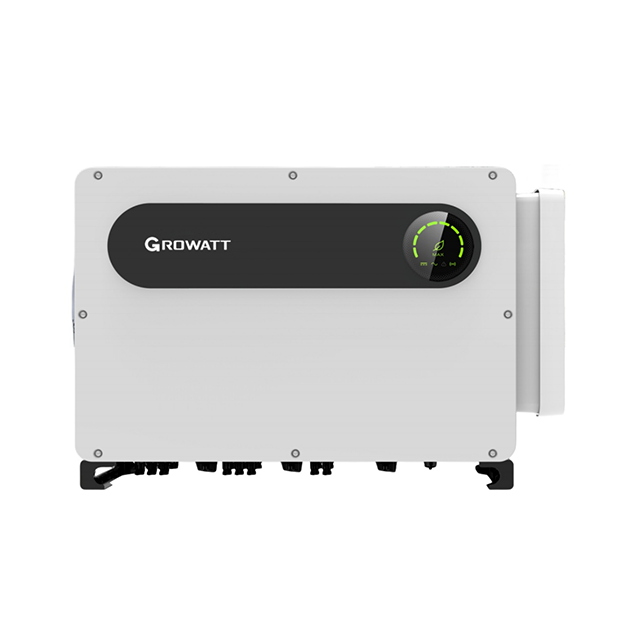
At the commercial and utility scale, the inverter no longer merely acts as a basic DC-to-AC converter. Instead, it serves as the central command unit governing grid stability, energy yield optimization, and overall system safety. The stakes are remarkably high. Selecting the wrong industrial PV inverter architecture often leads to excessive Balance of System (BOS) cabling costs. It can also trigger severe grid-compliance failures and elevate operations and maintenance expenses for years. Project viability relies entirely on making the right hardware decisions early.
We aim to provide EPCs, system integrators, and facility managers a highly transparent, metric-driven framework. You will discover exactly how to evaluate and shortlist the best options for large-scale solar projects. This guide breaks down technical dimensions, architecture differences, and smart grid interactions systematically. You will learn what performance metrics dictate long-term returns in the commercial sector.
Key Takeaways
Capacity Baseline: True commercial solar inverters operate in the 30kW to 500kW+ range, specifically engineered for continuous 3-phase power handling.
Voltage Shifts: The migration from 1000V to 1500V architectures is standardizing due to significant reductions in DC cabling costs.
Smart Grid Support: Modern grid-connected inverters must feature advanced reactive power compensation (kVAR) and comply with stringent grid codes (e.g., IEEE 1547, UL 1741 SB).
Defining the Industrial PV Inverter: Beyond Basic Conversion
You must separate a commercial solar inverter from standard residential models. Residential units handle lower capacities and single-phase power. In contrast, the commercial power tier ranges from 30kW up to 500kW and beyond. These robust machines manage higher input voltages seamlessly. They also balance severe three-phase unbalances across large industrial networks. Furthermore, they sustain heavy, continuous electrical loads without overheating or degrading prematurely.
We refer to this technological shift as the "smart" evolution. Traditional converters only pushed power one way. They fed electricity directly into the facility or onto the grid blindly. Today, modern smart models operate entirely differently. They enable bidirectional power flow. They seamlessly integrate Energy Storage Systems (ESS) for complex load management. They also perform dynamic output adjustments. This dynamic control prevents unnecessary energy curtailment during peak sunlight hours.
To maximize operational efficiency, you must match hardware sizes to specific target applications. Consider a mid-sized manufacturing plant or logistics roof. A 30kW to 60kW unit fits this profile perfectly. Conversely, massive utility-scale ground mounts require much larger units. For these massive applications, you need 100kW+ capacities per unit. Proper matching guarantees optimal performance and longevity for the entire array.
Architecture Showdown: String vs. Central Inverters for Commercial PV
Large-scale projects force you to choose between two primary operational architectures. You must carefully evaluate central versus string models.
Central Inverters (High-Capacity Focus)
Central models thrive in immense, unbroken utility-scale environments. They best serve 1MW+ utility-scale deployments and large industrial ground-mount projects. They offer enormous output capacity, sometimes exceeding 3000kVA+ from a single station. You also benefit from a lower per-watt initial hardware cost. However, they carry significant operational risks. A central unit represents a single point of failure. If it goes down, the entire connected array stops producing. Furthermore, they demand specialized maintenance personnel and heavy machinery for repairs.
String Inverters (The C&I Standard)
String models currently dominate the modern commercial PV landscape globally. They perfectly suit complex commercial roofs, sprawling logistics centers, and diverse distributed generation sites. Their modularity effectively eliminates the single point of failure. If one unit fails, the rest continue generating power uninterrupted. They feature advanced multi-MPPT tracking capabilities. This localized tracking optimizes energy yield across shaded or complex roof layouts effortlessly. Operations and maintenance become incredibly straightforward. You can easily perform "swap-and-replace" maintenance using standard facility crews.
Architecture Comparison Chart
Evaluation Metric
Central Architecture
String Architecture
Best Use Case
1MW+ Utility-scale ground mounts
Complex C&I roofs, Logistics centers
Primary Advantage
Lower upfront per-watt hardware cost
High modularity, multi-MPPT optimization
Major Risk Factor
Single point of failure halts production
Slightly higher initial hardware cost
Maintenance Style
Specialized technicians, heavy machinery
Quick swap-and-replace by local crews
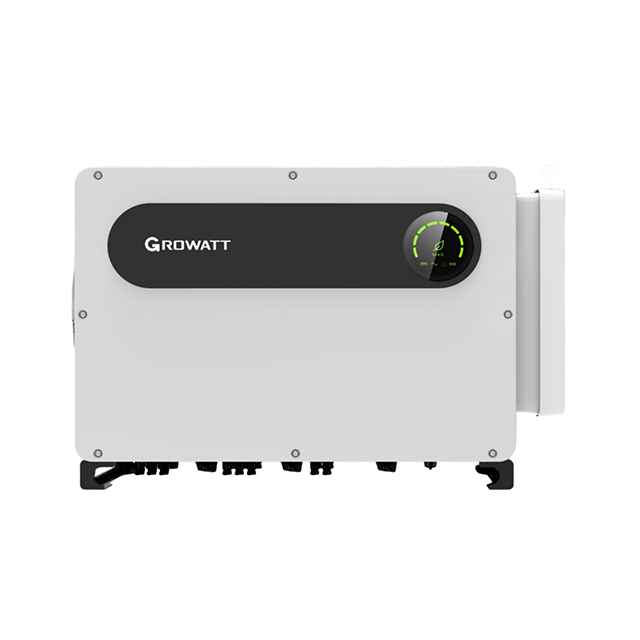
![GROWATT high efficiency three phase industrial and commercial inverter]()
5 Technical Evaluation Dimensions for a Grid-Connected Inverter
1500V vs. 1000V System Design
We see a massive industry shift toward 1500V system designs. The underlying math justifies this rapid transition clearly. Higher voltage limits allow you to design significantly longer string lengths. A 1000V system might cap a string at 18 panels. A 1500V system pushes that limit to 27 panels easily. Longer strings require fewer DC combiner boxes. Consequently, you drastically reduce DC cable runs across the site. You save heavily on upfront BOS materials and labor.
DC Oversizing & Efficiency Thresholds
You must evaluate efficiency and capacity limits strictly. Top-tier commercial models support 150% to 175% DC oversizing ratios. Oversizing maximizes your AC output during low irradiance periods. Early mornings, late afternoons, and cloudy days yield substantially more usable power. For efficiency benchmarks, demand nothing less than absolute excellence. Look for CEC peak efficiencies ranging strictly from 98.5% to 99.0%.
MPPT Granularity & Current Capacity
Modern commercial arrays heavily utilize high-power bifacial modules. Your chosen hardware must handle these increased power flows safely. Evaluate the maximum input current capacity per MPPT closely. Modern units should support single-route MPPT currents up to 75A. Furthermore, they must feature global maximum power point tracking (GMPPT). This intelligent technology scans the entire voltage range continuously. It bypasses local shading issues to unlock hidden yield.
Hardware Resilience & Internal Design
Industrial environments expose electrical equipment to extremely harsh conditions. Hardware durability indicators matter immensely for long-term survival. Look for strict IP66 ratings guarding against fine dust and heavy water ingress. Examine the internal manufacturing layout carefully. Card-cage circuit board designs represent a major engineering upgrade. They drastically reduce internal flying wires. Fewer internal wires directly lower long-term vibration failure rates. Physical isolation between DC and AC breaker compartments further enhances safety.
Built-In Safety Protections
Grid integration requires numerous robust safety layers. Every modern grid-connected inverter must include certain mandatory protective requirements. You should demand Type II AC/DC Surge Protection Devices (SPD) standard. Ensure the unit actively includes Arc Fault Circuit Interrupters (AFCI). Finally, verify it features built-in PID (Potential Induced Degradation) recovery mechanisms. This vital feature actively reverses module degradation over time.
Advanced Grid Interaction and Compliance
Modern commercial models do much more than simply generate active power. They actively stabilize the local electrical grid through advanced interactions.
Regulatory Baselines
You must ensure your chosen hardware meets all regional compliance standards. Critical network functions include rapid shutdown protocols and precise grid synchronization. North American projects rely heavily on UL 1741 SA/SB and IEEE 1547 standards. These strict rules dictate precisely how equipment reacts to unexpected grid instability. Failing to meet these baselines prevents project commissioning entirely.
Voltage & Frequency Regulation
Electrical grids frequently experience sudden, unpredictable disturbances. Robust equipment manages these extreme fluctuations gracefully without tripping offline. LVRT (Low Voltage Ride Through) and HVRT (High Voltage Ride Through) capabilities remain absolutely vital. They allow your commercial system to stay connected during transient voltage spikes or dangerous sags. Maintaining continuous stability prevents cascading localized network blackouts.
Reactive Power Control (Night SVG)
Advanced commercial models offer unique, highly valuable financial benefits. They can provide essential reactive power compensation even at night. We call this powerful capability Night SVG (Static Var Generator). Utilities often penalize large industrial facilities heavily for poor power factors. Using the industrial inverter to supply kVAR corrections eliminates these costly monthly utility penalties.
Avoiding Costly Mistakes in B2B Procurement
Procuring large-scale energy infrastructure involves significant capital allocation. You must actively avoid these common B2B purchasing errors.
Over-Prioritizing Upfront Price Over Lifecycle Value
Many procurement managers fall into the dangerous trap of buying cheap hardware. Budget options often lack robust SCADA/PLC communication integration entirely. They may also miss vital OTA (Over-The-Air) remote update capabilities. Without remote diagnostics, you face expensive truck-roll costs for every minor software glitch. Focus on long-term operational savings instead of solely minimizing day-one capital expenditures.
Ignoring Energy Storage Compatibility
The global energy transition moves incredibly rapidly. A major pitfall involves buying a strictly PV-only model today. You might desperately need battery integration tomorrow. Always plan for future DC-coupled or AC-coupled battery integration seamlessly. Hybrid readiness ensures your initial capital investment remains highly relevant as facility energy demands evolve.
Overlooking Communications Standardization
Commercial fleet monitoring requires seamless, open data flows. Closed, proprietary ecosystems create highly restrictive vendor lock-in scenarios. Emphasize the absolute need for open-standard telemetry protocols. Sunspec Modbus TCP stands out as a highly reliable, universal standard. Standardization allows you to integrate multiple distinct hardware brands into one centralized dashboard easily.
Vendor Shortlisting: Where the GROWATT Commercial Inverter Fits
Selecting the right manufacturing partner dictates your commercial project's ultimate trajectory.
Market Context
You will encounter several established Tier-1 players during your vendor search. Brands like SMA, SolarEdge, and Sungrow dominate specific industry niches. SolarEdge heavily targets optimized strings for highly complex, shaded roofs. Sungrow frequently captures massive central utility-scale deployments. You must align the brand's core engineering strength closely with your project's specific physical demands.
GROWATT’s Positioning
A GROWATT commercial inverter offers a highly competitive, balanced C&I solution. It perfectly balances exceptional return on investment with uncompromising high reliability. The robust multi-MPPT string architecture handles severe localized shading effectively. B2B wholesale buyers also benefit immensely from strong post-sales technical support. It hits the perfect sweet spot between upfront affordability and premium functional capabilities.
Next Steps for EPCs
Do not rely entirely on glossy marketing spec sheets. We strongly recommend conducting a rigorous pilot simulation first. Utilize industry-standard software tools like RatedPower or PVsyst. Model the specific hardware efficiency directly against your facility's localized load profile. This detailed simulation reveals true real-world generation potential accurately before you finalize procurement contracts.
Conclusion
Selecting robust industrial energy hardware demands a highly strategic approach. We summarize the core evaluation principles you must follow:
Balance upfront BOS savings strategically against long-term O&M predictability.
Prioritize string modularity to prevent disastrous single points of failure on commercial roofs.
Demand advanced grid compliance features to prevent expensive ongoing utility penalties.
Enforce open communication standards to protect your operations from restrictive vendor lock-in.
We strongly encourage commercial buyers to request comprehensive lifecycle cost modeling immediately. Always verify precise ESS compatibility and grid code compliance before issuing any final purchase order.
FAQ
Q: What is the standard lifespan of a commercial solar inverter?
A: Typically 10-15 years, with standard warranties often extendable up to 20-25 years depending on the manufacturer.
Q: Why is DC oversizing important in commercial PV?
A: It allows the inverter to operate at maximum capacity for more hours of the day, improving the project's overall levelized cost of energy (LCOE) despite minor clipping losses.
Q: Can industrial inverters operate during a grid outage?
A: Only if they are hybrid/smart inverters integrated with battery storage and equipped with anti-islanding and micro-grid forming capabilities.