- Home
-
-
What Is The Difference between A Solar Panel And A Solar Module?
Views: 0 Author: Site Editor Publish Time: 2025-11-19 Origin: Site
![facebook sharing button]()
![twitter sharing button]()
![line sharing button]()
![wechat sharing button]()
![linkedin sharing button]()
![pinterest sharing button]()
![whatsapp sharing button]()
![kakao sharing button]()
![snapchat sharing button]()
![sharethis sharing button]()
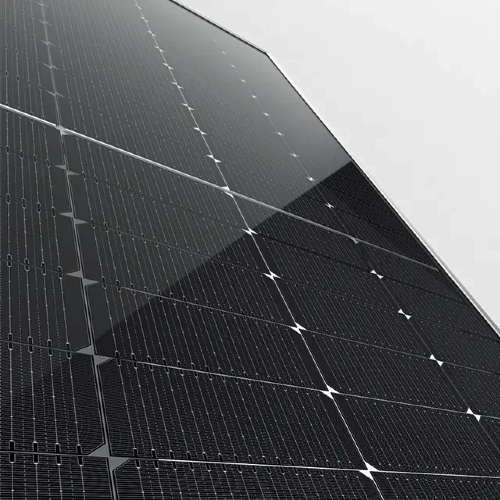
With the global shift towards renewable energy, solar energy has become one of the most popular and sustainable energy sources. At the heart of every solar energy system lies a solar module or solar panel. While the two terms are often used interchangeably, there are important differences that anyone considering solar energy solutions should understand. In this article, we’ll clarify the difference between solar panels and solar modules, explaining their functions, components, and applications, so you can make an informed decision when it comes to choosing the right system for your needs.
1. Understanding Solar Technology
The demand for clean and renewable energy sources has led to the rapid growth of solar energy. Solar power, primarily captured by solar modules, is transforming how homes, businesses, and industries produce electricity. Solar panels are often mistakenly referred to as individual units, but they are in fact systems made up of multiple solar modules working together to generate electricity.
Understanding these components and their differences is critical for anyone looking to install a solar energy system. The distinction between a solar module and a solar panel affects everything from installation costs to the overall efficiency of your system.
2. What is a Solar Module?
A solar module, sometimes called a solar panel (though this is a more general term), is a single, standalone unit that consists of several solar cells connected together to form a system capable of converting sunlight into electricity.
How Does a Solar Module Work?
The solar module works through the photoelectric effect. When sunlight strikes the surface of the solar cells within the module, it excites the electrons within the semiconductor material, causing them to move. This movement generates direct current (DC) electricity, which can then be used to power electrical devices or stored in batteries for later use.
The typical components of a solar module include:
Solar Cells: The core element responsible for converting sunlight into electricity.
Frame: Usually made of aluminum, it provides structural support and protection for the solar cells.
Glass: A protective layer that allows sunlight to pass through and reach the solar cells.
Junction Box: Houses the electrical connections that enable the flow of electricity from the solar cells.
Backsheet: A layer that protects the module from environmental damage and insulates the solar cells.
3. What is a Solar Panel?
A solar panel is a complete system that consists of multiple solar modules interconnected to increase their power output. These solar panels are the larger units that are installed in residential, commercial, or industrial solar energy systems.
How Does a Solar Panel Work?
While a solar module generates electricity from sunlight, a solar panel consists of several solar modules working in tandem to generate more electricity. Solar panels are typically connected to an inverter, which converts the direct current (DC) electricity produced by the solar modules into alternating current (AC) electricity, which is used by most electrical appliances.
Key Components of a Solar Panel:
Multiple Solar Modules: Several solar modules are wired together to form a solar panel.
Inverter: Converts DC electricity to AC electricity.
Mounting System: A structure used to attach the solar panels to rooftops, the ground, or other locations.
Wiring: Connects the solar modules to the inverter and other parts of the system.
4. Key Differences Between a Solar Module and a Solar Panel
While the terms solar module and solar panel are often used interchangeably, they refer to different components in a solar energy system. Understanding the key differences will help you make informed decisions when designing or installing a solar system.
Feature
Solar Module
Solar Panel
Definition
A single unit of solar cells connected together to generate electricity.
A collection of multiple solar modules connected together to increase electricity output.
Size
Smaller unit.
Larger system, typically containing multiple solar modules.
Power Output
Produces electricity on a smaller scale.
Generates more electricity due to the combined power of several solar modules.
Efficiency
Efficiency of a solar module depends on the type of solar cells used.
Solar panels are more efficient since they combine multiple solar modules to increase overall power output.
Usage
Typically used in smaller installations or where space is limited.
Used in larger installations, such as commercial or residential solar systems.
Understanding the Key Differences:
Scope and Function: A solar module is a smaller unit that produces a limited amount of electricity, while a solar panel combines several modules to generate greater power.
Size and Output: Solar panels are typically much larger than individual solar modules and are designed to meet the electricity needs of homes, businesses, or large facilities.
![Solar Module]()
5. How Do Solar Modules and Solar Panels Work Together?
In a typical solar power system, solar modules are connected to form a solar panel. The system is designed to maximize power generation while being adaptable to different space and power requirements. Here’s how they work together:
Solar Modules: Each solar module produces a certain amount of DC electricity. The output of a solar module can be increased by connecting it to other solar modules.
Solar Panels: These are the final assembly, consisting of solar modules that are linked together to meet a specific power requirement. Depending on the system design, solar panels may also include additional components such as inverters and mounting systems.
By understanding how solar modules and solar panels work in tandem, you can choose the right setup for your energy needs.
6. Which is Better: Solar Module or Solar Panel?
Choosing between a solar module and a solar panel depends largely on the size of your solar installation and your energy requirements.
When to Choose a Solar Module:
For Small Installations: If you’re looking to power small devices or systems (such as RVs, boats, or off-grid homes), individual solar modules can meet your needs.
Modular Installations: Solar modules are ideal for creating a modular system that can be easily expanded in the future.
When to Choose a Solar Panel:
For Larger Installations: Solar panels are ideal for residential, commercial, or utility-scale systems that require a higher power output.
For Higher Efficiency: Since solar panels combine multiple solar modules, they are more efficient at generating electricity, especially in areas where space is not an issue.
7. Applications and Use Cases
Both solar modules and solar panels are used in various applications, depending on the energy requirements and available space.
7.1 Residential Applications
For residential purposes, solar panels are typically installed on rooftops to power the home. The modules are connected to form solar panels that generate enough electricity to offset or completely eliminate electricity bills.
7.2 Commercial Applications
Businesses with larger energy needs often choose solar panels made up of solar modules to reduce energy costs. Solar panels can be installed on commercial rooftops or in large open spaces, such as parking lots or fields.
7.3 Utility-Scale Solar Farms
Solar panels are used in large-scale solar farms to generate significant amounts of electricity. These systems often consist of thousands of solar modules connected together to produce power for local or national grids.
7.4 Off-Grid Applications
For remote or off-grid areas, solar modules can be used individually or in small groups to power homes, remote stations, or communication equipment.
8. Conclusion
In conclusion, the terms solar module and solar panel refer to distinct components within a solar power system. A solar module is a single unit consisting of solar cells, while a solar panel is made up of multiple solar modules designed to generate higher power output. Understanding these differences is key to selecting the right system to meet your energy needs.
Whether you're looking to install a compact, modular system or a large-scale solar array, both solar modules and solar panels are essential in harnessing clean, renewable energy. If you're interested in exploring high-quality solar solutions that can be tailored to your requirements, Shanxi Xuchen Dongsheng International Trade Co., Ltd. offers a range of efficient solar products. Their team of experts can help guide you in selecting the ideal system, ensuring maximum efficiency and cost savings. Contact them today to learn more about how their solar solutions can benefit your energy needs.
9. FAQ
Q1: Can I use a solar module instead of a solar panel?
Yes, solar modules can be used in small installations, but solar panels (which contain multiple solar modules) are typically used for larger systems that require higher power output.
Q2: What’s the efficiency difference between a solar module and a solar panel?
Solar panels are generally more efficient because they combine the power output of multiple solar modules.
Q3: How do solar modules and solar panels work together in a system?
Solar modules are connected together to form solar panels. The solar panels are then integrated with an inverter to convert the DC electricity to AC for home or business use.
Q4: Can I install a solar module on its own?
Yes, you can install a solar module for small-scale energy needs, but for larger systems, you will need to install multiple solar modules to form a solar panel.
Q5: Which is better for home use, a solar module or a solar panel?
For home use, solar panels are generally preferred because they combine multiple solar modules to meet the power needs of a household.