

- Home
-
-
2026 Outlook: Why Stacked Lithium Iron Phosphate Batteries Are Dominating Residential Storage
Views: 0 Author: Site Editor Publish Time: 2026-03-23 Origin: Site
![facebook sharing button]()
![twitter sharing button]()
![line sharing button]()
![wechat sharing button]()
![linkedin sharing button]()
![pinterest sharing button]()
![whatsapp sharing button]()
![kakao sharing button]()
![snapchat sharing button]()
![sharethis sharing button]()
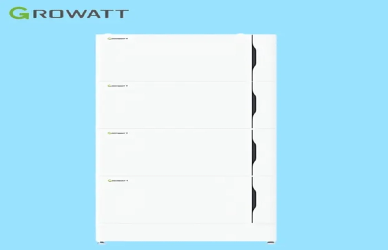
As the global shift towards renewable energy accelerates, the demand for efficient and reliable energy storage solutions continues to grow, particularly in the residential sector. Photovoltaic (PV) energy, generated from solar power, has seen widespread adoption due to its environmental benefits and cost-effectiveness. However, to fully harness the potential of solar energy, effective storage systems are crucial to manage the intermittent nature of solar power. This is where stacked lithium iron phosphate (LiFePO4) batteries come into play. In 2026, these batteries are expected to dominate the residential storage market, thanks to their exceptional safety features, long lifespan, and superior environmental sustainability. As homeowners increasingly seek more efficient, durable, and eco-friendly energy storage options, stacked LiFePO4 batteries are emerging as the go-to choice, transforming how residential energy systems are designed and managed.
The Future of Photovoltaic Energy Storage
1.The Growth Trend of Photovoltaic Energy and Its Integration with Residential Energy Storage
As renewable energy becomes increasingly integral to global energy strategies, photovoltaic (PV) energy is leading the way in sustainable power generation. Solar energy, harnessed through solar panels, continues to expand due to its environmental benefits, cost-effectiveness, and technological advancements. With solar power being generated during daylight hours, homeowners need a reliable storage solution to capture excess energy and use it when the sun isn’t shining. This has led to the rise of photovoltaic energy storage systems, which provide the ability to store solar energy for later use, improving energy independence and ensuring continuous access to renewable power.
The integration of photovoltaic energy with residential energy storage systems enables homeowners to reduce their reliance on the grid, lower electricity bills, and minimize their carbon footprint. The growing popularity of energy-efficient homes and green building practices has accelerated the adoption of PV systems paired with advanced storage technologies, creating a more resilient energy infrastructure.
2.The Expected Market Growth for Photovoltaic Energy Storage in 2026
The global photovoltaic energy storage market is set to experience significant growth by 2026. Several factors contribute to this upward trend, including continued technological innovations, falling costs of solar energy components, and increasing consumer demand for energy independence. Solar storage systems, particularly those using lithium-ion and lithium iron phosphate (LiFePO4) batteries, are expected to become even more affordable and efficient in the coming years.
With governments offering incentives and subsidies for clean energy initiatives, as well as growing awareness of environmental sustainability, more homeowners are expected to invest in PV energy storage systems. Market forecasts indicate that the global photovoltaic energy storage market will surpass several billion dollars by 2026, as more households transition to solar power and energy storage solutions. As these systems become more accessible and practical, their adoption will be driven by the need for cleaner energy solutions and the desire for greater energy autonomy.
As the market evolves, advancements in battery technology will continue to push the boundaries of energy storage, enabling longer lifespans, higher efficiency, and faster charging times, ensuring photovoltaic energy storage remains a viable and essential solution for residential energy needs.
Advantages of Lithium Iron Phosphate (LiFePO4) Batteries
1.High Safety
One of the key advantages of lithium iron phosphate (LiFePO4) batteries is their superior safety compared to traditional lithium-ion batteries. LiFePO4 batteries are inherently more stable, especially when it comes to handling extreme conditions such as overcharging or over-discharging. This increased stability significantly reduces the risk of overheating, fires, or thermal runaway, which are concerns with many other types of batteries. Because of this enhanced safety profile, LiFePO4 batteries are increasingly favored for residential energy storage, where safety is a top priority.
2.Long Lifespan
LiFePO4 batteries also stand out for their longer lifespan. These batteries can endure significantly more charge and discharge cycles—up to 3,000 to 5,000 cycles—compared to traditional lithium-ion batteries, which typically last around 500 to 1,000 cycles. This longer lifespan means that LiFePO4 batteries require fewer replacements over time, resulting in lower maintenance and replacement costs. The extended durability makes them a more cost-effective option in the long run, particularly for residential energy storage systems that are used over several years.
3.Environmental Benefits
In addition to their technical advantages, LiFePO4 batteries are also more environmentally friendly than other types of batteries. These batteries are non-toxic, unlike some other lithium-based batteries that contain hazardous materials such as cobalt or nickel. Additionally, LiFePO4 batteries are recyclable, which helps to minimize their environmental impact at the end of their life cycle. This aligns well with the increasing demand for sustainable and eco-friendly energy solutions, especially in the context of solar energy storage. By choosing LiFePO4 batteries, consumers contribute to a greener, more sustainable future while benefiting from a safe and reliable energy storage solution.
The Breakthrough Innovation of Stacked Design
1.How Stacking Technology Optimizes Battery Volume-to-Capacity Ratio
The stacked design of lithium iron phosphate (LiFePO4) batteries optimizes the volume-to-capacity ratio by stacking multiple cells on top of each other. This design increases energy storage in a compact space, allowing for higher capacity without requiring larger physical dimensions. By maximizing energy density, it provides a more space-efficient storage solution, ideal for residential systems where space is limited but energy needs are growing.
2.The Advantages of the Stacked Design for Enhancing Residential Storage Systems
Space Efficiency: The stacked design allows for more energy storage in a smaller footprint, making it ideal for homes with limited space for batteries.
Scalability: Stacked units can be easily expanded to meet increasing energy needs, offering flexibility for homeowners.
Cost-Effectiveness: By optimizing space and energy storage, stacked designs lower production costs, making the technology more affordable for consumers.
Improved Performance: The stacked design improves thermal management and reduces energy losses, enhancing overall efficiency and battery lifespan.
Key Players and Technological Leaders
1.Leading LiFePO4 Battery Manufacturers and Their Technological Advantages
BYD
A global leader in LiFePO4 battery manufacturing, BYD is known for high energy density, long lifespan, and strong safety features, making its batteries ideal for residential and commercial storage solutions.CATL
CATL excels in battery efficiency and thermal stability. Its LiFePO4 batteries offer superior longevity and fast charging, powering many electric vehicles and energy storage systems worldwide.LG Energy Solution
LG has made significant advancements in LiFePO4 variants, focusing on improved thermal management and faster charging for more efficient residential energy storage.Gotion High-Tech
Specializing in LiFePO4 batteries, Gotion High-Tech focuses on safety, long cycle life, and expanding its use in stationary energy storage for both residential and industrial markets.2.Innovation Cases from the Storage System Suppliers Leading the Industry
Tesla Powerwall
Tesla's Powerwall integrates solar energy with efficient LiFePO4 battery storage, offering homeowners a reliable and safe solution for energy management.Sonnen
Sonnen specializes in home battery storage systems with advanced energy management software, enhancing solar energy use and integrating with smart home systems.Enphase Energy
Enphase offers modular LiFePO4 storage systems with advanced inverters, providing scalable, reliable solutions for residential energy needs.Challenges and Opportunities in 2026
1.The Need for Continuous Technological Innovation and Overcoming Challenges
As the demand for residential energy storage systems grows, especially with the rise of photovoltaic energy, the need for continuous technological innovation in LiFePO4 battery development becomes increasingly important. Key challenges include improving energy density and charging speeds while maintaining high safety standards. Additionally, thermal management remains a hurdle for manufacturers to ensure optimal performance and longevity, especially as batteries are used in varying environmental conditions.
Manufacturers must also focus on enhancing battery integration with other energy systems, such as solar panels and smart home technologies. Overcoming these technological challenges will drive further adoption of LiFePO4 batteries, ensuring their continued dominance in the energy storage market.
2.Balancing Battery Production Costs with Market Demand
Another significant challenge for the LiFePO4 battery market in 2026 is balancing production costs with market demand. While the costs of raw materials for LiFePO4 batteries, such as lithium and iron, have been relatively stable, economies of scale are crucial for reducing production costs. Manufacturers need to optimize supply chains, improve production efficiency, and implement automated manufacturing processes to meet the growing demand for affordable residential storage solutions.
At the same time, as demand increases for residential storage systems, manufacturers must maintain competitive pricing while ensuring battery performance and longevity. Achieving this balance between cost reduction and high-quality output will be key to the widespread adoption of LiFePO4 batteries in 2026 and beyond.
FAQ
1.What are stacked lithium iron phosphate (LiFePO4) batteries?
Stacked LiFePO4 batteries utilize a multi-layer stacking design to increase energy storage capacity, making them ideal for residential use, offering higher energy efficiency and space utilization.
2.What are the advantages of lithium iron phosphate batteries?
LiFePO4 batteries are safer, longer-lasting, and more environmentally friendly compared to traditional batteries, making them a great fit for photovoltaic energy storage systems.
3.Why is the stacked design important for residential storage systems?
The stacked design allows battery modules to be more compact while maintaining high storage capacity and efficiency, which is perfect for residential spaces.
4.What is the market outlook for lithium iron phosphate batteries in 2026?
With increasing consumer demand for photovoltaic storage solutions, LiFePO4 batteries are expected to dominate the residential storage market, becoming the leading choice by 2026.
Conclusion
In conclusion, stacked lithium iron phosphate (LiFePO4) batteries are set to dominate the residential storage market in 2026 due to their superior safety, long lifespan, and environmental benefits. The innovative stacked design optimizes the battery’s volume-to-capacity ratio, allowing for more efficient and compact energy storage, making it ideal for residential spaces. As the demand for photovoltaic energy storage grows, these batteries offer an ideal solution for homeowners seeking cost-effective, scalable, and reliable energy storage systems.
Looking ahead, consumers can expect increasingly affordable and efficient LiFePO4 battery systems, while manufacturers will focus on continuous innovation, improving energy density, and charging efficiency. The balance between production costs and market demand will be crucial in ensuring widespread adoption. As technology advances, both consumers and manufacturers will benefit from more powerful, accessible, and environmentally sustainable storage solutions, making stacked LiFePO4 batteries a key component of the green energy revolution.


