- Home
-
-
Are Electric Cars Cheaper Than Gas
Views: 0 Author: Site Editor Publish Time: 2025-10-18 Origin: Site
![facebook sharing button]()
![twitter sharing button]()
![line sharing button]()
![wechat sharing button]()
![linkedin sharing button]()
![pinterest sharing button]()
![whatsapp sharing button]()
![kakao sharing button]()
![snapchat sharing button]()
![sharethis sharing button]()
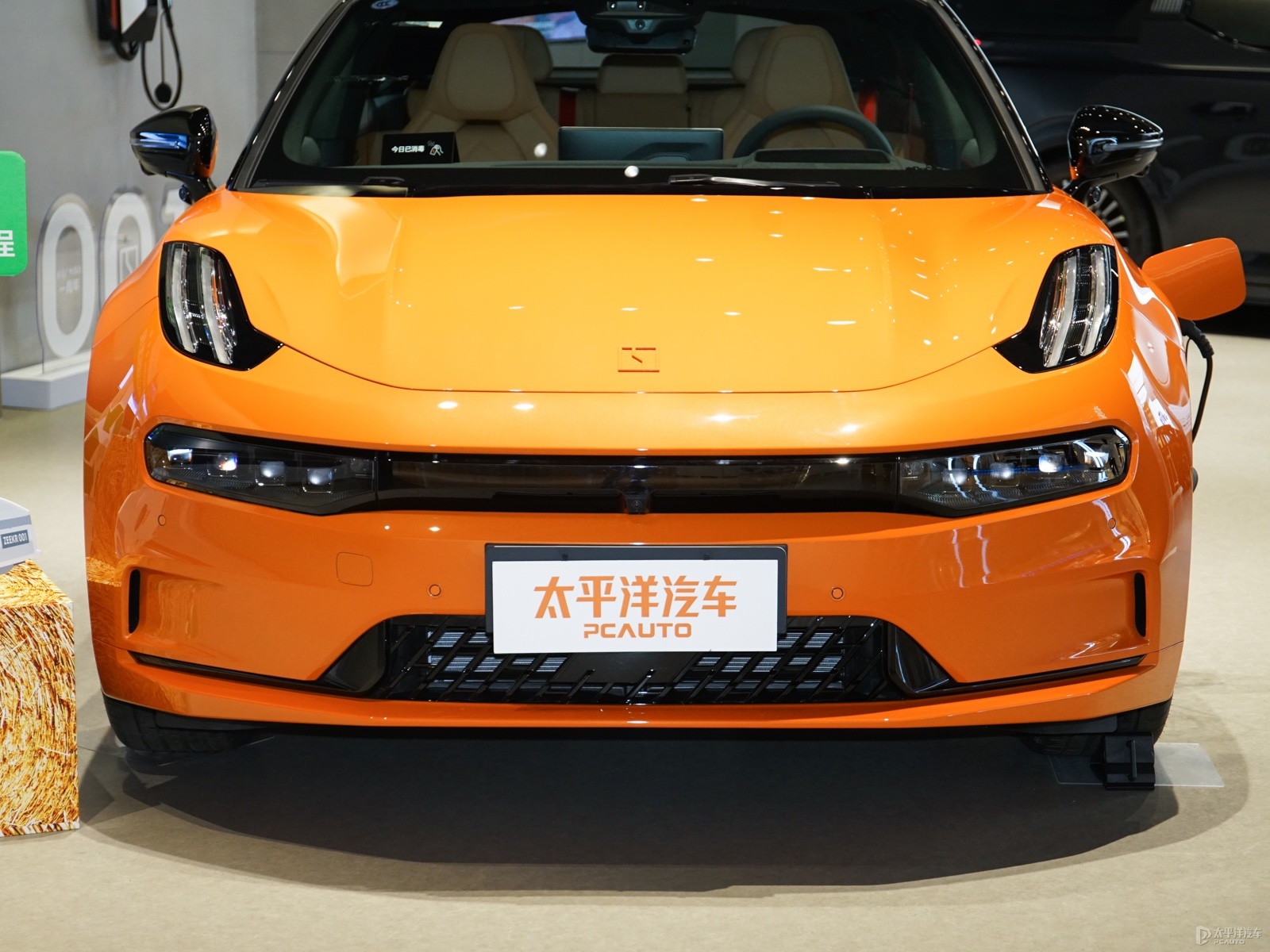
The debate over whether electric cars are cheaper than gas-powered vehicles is a topic of significant interest, particularly as the world shifts towards more sustainable energy solutions. The transition to electric vehicles (EVs) is driven by environmental concerns, advancements in technology, and economic factors. This article explores the cost implications of owning electric cars compared to traditional gasoline vehicles, examining various factors such as purchase price, maintenance, fuel costs, and government incentives. Understanding these elements is crucial for potential buyers considering the switch to electric cars.
Electric cars, also known as New Energy Vehicles, have gained popularity due to their potential to reduce carbon emissions and reliance on fossil fuels. However, the question remains: are they truly more cost-effective in the long run? By analyzing the total cost of ownership, including initial investment, operational costs, and potential savings, we can better understand the financial benefits and challenges associated with electric vehicles.
Initial Purchase Price
One of the most significant barriers to the widespread adoption of electric cars is their higher initial purchase price compared to gasoline vehicles. The cost of electric cars is primarily driven by the expensive battery technology required to power them. For instance, the price of a new electric vehicle can be significantly higher than that of a comparable gas-powered car. However, it's essential to consider that the price gap is gradually narrowing as battery technology improves and production scales up.
Government incentives and tax credits play a crucial role in offsetting the higher upfront costs of electric cars. Many countries offer financial incentives to encourage the purchase of electric vehicles, which can significantly reduce the initial investment. These incentives vary by region and can include tax rebates, reduced registration fees, and subsidies for home charging stations. Therefore, potential buyers should explore available incentives to determine the actual cost of purchasing an electric vehicle.
Fuel Costs
Fuel costs are a critical factor in the cost comparison between electric and gasoline vehicles. Electric cars are generally more energy-efficient and cheaper to operate than their gas-powered counterparts. The cost of electricity is typically lower than gasoline, and electric vehicles convert energy into motion more efficiently. For example, a study comparing the Hyundai IONIQ Electric and the Hyundai i30 found that the electric model had significantly lower annual fuel costs, resulting in substantial savings over time.
The savings on fuel costs can be even more pronounced for drivers who have access to renewable energy sources, such as solar panels, to charge their vehicles. By utilizing solar energy, electric car owners can further reduce their reliance on the grid and lower their operational costs. This aspect highlights the potential for electric cars to be not only environmentally friendly but also economically advantageous in the long term.
Maintenance and Repair Costs
Electric cars generally have lower maintenance and repair costs compared to gasoline vehicles. This is primarily due to the simplicity of electric drivetrains, which have fewer moving parts than internal combustion engines. As a result, electric vehicles require less frequent servicing and have lower chances of mechanical failure. Common maintenance tasks such as oil changes, transmission repairs, and exhaust system maintenance are not necessary for electric cars.
However, electric vehicles are not entirely maintenance-free. Battery maintenance and replacement can be costly, although most manufacturers offer warranties that cover battery performance for several years. Additionally, advancements in battery technology are expected to extend the lifespan and reduce the cost of replacement batteries in the future. Overall, the reduced maintenance requirements contribute to the lower total cost of ownership for electric cars.
Environmental Impact and Sustainability
The environmental benefits of electric cars are a significant factor in their cost-effectiveness. By reducing carbon emissions and reliance on fossil fuels, electric vehicles contribute to a cleaner and more sustainable future. This environmental impact can translate into economic benefits, such as reduced healthcare costs associated with pollution and climate change mitigation efforts.
Moreover, the integration of renewable energy sources into the charging infrastructure enhances the sustainability of electric vehicles. As the grid becomes greener, the environmental advantages of electric cars will continue to grow, further justifying their cost compared to gasoline vehicles. This shift towards sustainability aligns with global efforts to combat climate change and transition to a low-carbon economy.
Conclusion
In conclusion, while the initial purchase price of electric cars may be higher than that of gasoline vehicles, the long-term cost benefits are substantial. Lower fuel and maintenance costs, combined with government incentives, make electric cars an economically viable option for many consumers. Additionally, the environmental benefits and alignment with sustainable energy goals further enhance the appeal of electric vehicles.
As technology continues to advance and the market for electric cars expands, the cost-effectiveness of these vehicles is expected to improve further. For individuals considering the switch to electric cars, it is essential to evaluate the total cost of ownership and explore available incentives to make an informed decision. Ultimately, the transition to electric vehicles represents a significant step towards a more sustainable and economically efficient transportation system.
For more information on the latest developments in electric vehicles and sustainable energy solutions, visit Xuchen Energy.