

- Home
-
-
The Science of Longevity: How High-Quality LFP Chemistry Extends Battery Cycle Life Beyond 6,000+ Cycles
Views: 0 Author: Site Editor Publish Time: 2026-03-24 Origin: Site
![facebook sharing button]()
![twitter sharing button]()
![line sharing button]()
![wechat sharing button]()
![linkedin sharing button]()
![pinterest sharing button]()
![whatsapp sharing button]()
![kakao sharing button]()
![snapchat sharing button]()
![sharethis sharing button]()
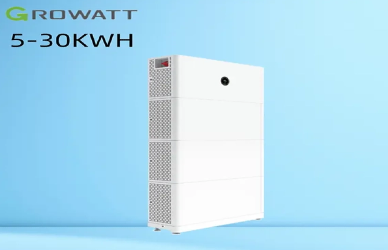
As the demand for renewable energy continues to grow, particularly in photovoltaic energy systems, the need for reliable and long-lasting energy storage solutions has never been more critical. Photovoltaic systems are increasingly relied upon for both residential and commercial energy needs, but to fully harness the power of solar energy, efficient storage solutions are essential. This is where high-quality lithium iron phosphate (LFP) chemistry plays a pivotal role. LFP batteries are renowned for their ability to extend cycle life well beyond 6,000 cycles, offering a more durable and sustainable energy storage solution. With their exceptional stability, minimal capacity fade, and reduced heat generation, LFP batteries are emerging as a game-changer for photovoltaic energy systems, ensuring long-term performance and reliability for years to come.
The Importance of Long Battery Life in Photovoltaic Energy Storage
1.Overview of Photovoltaic Energy Storage Systems and Their Growing Demand
Photovoltaic energy storage systems are becoming an essential part of the global shift towards renewable energy. These systems store excess solar energy generated during the day for use during the night or on cloudy days, ensuring a continuous and reliable power supply. As more households and businesses adopt solar power, the demand for efficient and durable energy storage solutions has surged. With advancements in technology, photovoltaic energy storage has evolved to provide better integration with solar panels, smart grids, and home energy management systems, making it a reliable and cost-effective choice for consumers worldwide.
2.Why Long Battery Cycle Life is Crucial for Reducing Costs and Enhancing Energy Independence
The cycle life of a battery refers to the number of charge and discharge cycles it can go through before its capacity significantly decreases. For photovoltaic energy storage systems, long battery cycle life is critical for two main reasons:
Reducing Costs: Batteries with longer cycle lives require fewer replacements, which significantly reduces the long-term cost of ownership. While the initial investment in high-quality batteries may be higher, their durability ensures that users get more years of reliable performance, providing better overall value. This is especially important for residential users, where cost-effectiveness is a major consideration.
Enhancing Energy Independence: Longer battery life means greater energy storage capacity over time, allowing homeowners and businesses to rely more on their solar energy system rather than on the grid. This increased energy independence reduces reliance on external energy sources, offering greater stability in energy usage and savings on electricity bills. In regions with unreliable power grids or high energy costs, long-lasting energy storage can provide a sense of security and autonomy.
Understanding Lithium Iron Phosphate (LFP) Chemistry
1.What is LFP Chemistry?
Lithium iron phosphate (LFP) chemistry refers to the specific type of lithium-ion battery chemistry where the cathode is made from lithium iron phosphate (LiFePO₄). Unlike other lithium-ion batteries, which often use cobalt or manganese as part of the cathode, LFP batteries are known for their high safety, long lifespan, and environmental friendliness. The core structure of LFP batteries allows for a stable performance even under demanding conditions, making them highly reliable for energy storage applications such as photovoltaic systems.
2.Key Characteristics That Contribute to the Extended Cycle Life of LFP Batteries
Thermal Stability:
LFP batteries exhibit exceptional thermal stability, which means they can operate efficiently at higher temperatures without degrading. This is crucial for energy storage applications, where temperature fluctuations can occur. The stable crystal structure of LFP allows the battery to withstand thermal stress, reducing the risk of overheating and potential failure, which enhances its longevity.High Safety:
One of the standout features of LFP chemistry is its high safety compared to other lithium-ion batteries. LFP batteries are less prone to thermal runaway, a phenomenon where batteries can overheat and catch fire. This is due to the stable structure of iron phosphate, which is less reactive than other materials. As a result, LFP batteries are safer for both residential and industrial energy storage systems, providing peace of mind to users.Durability:
LFP batteries are known for their durability and can endure many more charge and discharge cycles than traditional lithium-ion batteries. This durability is a direct result of the chemical structure of LFP, which minimizes degradation over time. The low rate of capacity fade during repeated use ensures that LFP batteries maintain a high level of efficiency for years, making them an ideal choice for systems requiring long-term, reliable performance, such as solar energy storage.How LFP Chemistry Achieves 6,000+ Cycles
1.Crystal Structure Stability: How the Stable Crystal Structure of LFP Contributes to Longer Lifespan
The crystal structure stability of lithium iron phosphate (LFP) plays a crucial role in extending the lifespan of LFP batteries. Unlike other lithium-ion chemistries, LFP’s unique structure allows it to resist the stresses that typically cause degradation in other battery types. The iron phosphate molecules in LFP batteries maintain a stable arrangement throughout multiple charge and discharge cycles. This structural integrity prevents the breakdown of active materials, which is a common cause of battery capacity loss in other lithium-ion chemistries. The stable crystal structure helps minimize internal resistance, allowing the battery to maintain its efficiency over extended use, contributing to a longer lifespan of over 6,000 cycles.
2.Minimizing Capacity Fade: The Role of LFP in Minimizing Capacity Loss Over Time
One of the most significant advantages of LFP batteries is their ability to minimize capacity fade. Capacity fade occurs when a battery’s ability to hold a charge decreases over time, often due to the breakdown of the electrode materials during repeated cycling. LFP’s stable crystal structure and robust electrochemical properties help to mitigate this issue. The phosphate ions in LFP batteries are less prone to degradation than those in other battery chemistries, leading to a lower rate of capacity loss. This allows LFP batteries to retain a higher percentage of their original capacity over many cycles, ensuring that they can continue to deliver reliable performance for over 6,000 cycles, making them ideal for long-term energy storage applications.
3.Reduced Heat Generation: The Impact of LFP’s Low Heat Generation on Battery Longevity
LFP batteries are known for their low heat generation during charge and discharge cycles. Unlike other battery chemistries, which generate significant amounts of heat during operation, LFP batteries operate at a much cooler temperature. This reduced heat generation is a result of the low internal resistance and the stable nature of the LFP chemical structure. Lower heat means less stress on the battery’s components, which contributes significantly to the longevity of the battery. Excessive heat can accelerate wear and tear on battery cells, leading to a shorter lifespan. By keeping heat generation to a minimum, LFP batteries can maintain their performance over time, further enhancing their ability to achieve 6,000+ cycles while maintaining safety and efficiency.
Technological Advancements in LFP Batteries
1.Innovations in LFP Chemistry That Have Contributed to Improved Cycle Life
Recent innovations in LFP chemistry have greatly enhanced battery cycle life. Key developments include:
Nano-structuring of LFP Materials:
By creating nano-sized particles, the surface area and conductivity are improved, allowing for better efficiency and reduced capacity fade, extending battery life.Coating Technologies:
Surface coatings such as carbon or graphene reduce internal resistance, improve conductivity, and protect against degradation, which helps prevent capacity loss and extend cycle life.Optimized Cathode Materials:
Adjustments in the phosphate-to-iron ratio and new compound blends have increased the energy density of LFP batteries, improving performance and lifespan.2.The Role of Advanced Manufacturing Techniques in Enhancing LFP Battery Performance
Advanced manufacturing techniques have played a crucial role in improving LFP battery performance:
Precision Assembly:
Automated manufacturing ensures that LFP battery cells are assembled with high precision, improving overall quality and cycle life.Improved Electrolyte Formulations:
New electrolyte technologies enhance conductivity and compatibility with the cathode, optimizing ion exchange and extending battery life.Enhanced Thermal Management:
Better cooling systems in battery packs help manage heat, reducing degradation and allowing for more efficient performance at higher temperatures.FAQ
1.What makes LFP chemistry different from other lithium-ion batteries?
LFP chemistry provides superior stability and durability, resulting in a longer battery life compared to other lithium-ion chemistries.
2.How does LFP chemistry minimize capacity fade over time?
The stable structure of LFP reduces the breakdown of active materials, helping maintain the battery's capacity and efficiency over thousands of cycles.
3.Why is reduced heat generation important for battery longevity?
Lower heat generation prevents thermal degradation, ensuring that the battery operates efficiently and lasts longer.
4.What advancements are expected for LFP technology in the future?
Ongoing innovations in manufacturing and material science will continue to enhance LFP batteries' efficiency, energy density, and cycle life.
Conclusion
In conclusion, high-quality LFP chemistry plays a crucial role in extending battery life beyond 6,000 cycles, thanks to its stable crystal structure, low heat generation, and minimal capacity fade. These characteristics contribute to the long-term durability and efficiency of LFP batteries, making them an ideal solution for energy storage. As the demand for photovoltaic energy storage systems continues to rise, LFP batteries will be pivotal in ensuring reliable, safe, and cost-effective energy storage. For consumers, LFP technology means greater energy independence, lower maintenance costs, and a more sustainable energy future. For manufacturers, it presents opportunities for developing long-lasting, high-performance storage solutions that meet the growing needs of the residential and commercial solar markets. LFP’s role in the future of energy storage is clear, offering a pathway to more resilient, affordable, and efficient photovoltaic systems.


