

- Home
-
-
Building The Perfect Hybrid System: Integrating Photovoltaic Energy Storage with Stacked Battery Tech
Views: 0 Author: Site Editor Publish Time: 2026-03-09 Origin: Site
![facebook sharing button]()
![twitter sharing button]()
![line sharing button]()
![wechat sharing button]()
![linkedin sharing button]()
![pinterest sharing button]()
![whatsapp sharing button]()
![kakao sharing button]()
![snapchat sharing button]()
![sharethis sharing button]()
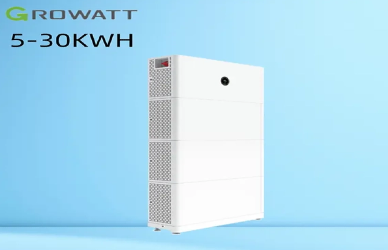
As the demand for renewable energy continues to rise, integrating photovoltaic energy storage with stacked battery technology has become increasingly important for efficient energy management. Combining solar power systems with stacked batteries creates a powerful hybrid solution, providing reliable energy storage and optimized power usage for both homes and businesses. This integration not only maximizes the benefits of solar energy by storing excess power for later use but also enhances the overall efficiency and scalability of energy storage. For homeowners and businesses alike, this hybrid approach offers a flexible, cost-effective, and sustainable solution for managing energy needs, reducing reliance on the grid, and improving long-term energy independence.
What is a Hybrid Photovoltaic Energy Storage System?
1.Definition and Concept of Hybrid Systems That Combine Solar Panels and Energy Storage
A hybrid photovoltaic energy storage system combines solar panels with an energy storage solution (typically batteries) to store excess solar energy for use when the sun isn't shining. This type of system allows homeowners and businesses to maximize self-consumption of solar energy, reducing reliance on the grid and ensuring a more consistent energy supply. Hybrid systems typically include solar panels, a battery storage unit, and an inverter to convert the DC power from the panels into AC power for use in the home or business. By integrating solar power generation with storage, users can store excess energy during the day for use at night or during periods of low sunlight, enhancing energy independence and efficiency.
2.Overview of Stacked Battery Technology and Its Role in Optimizing Energy Storage
Stacked battery technology refers to modular battery units that are stacked together to increase energy storage capacity while maintaining a compact form. These modular systems are often Lithium Iron Phosphate (LFP) based, offering high energy density, long cycle life, and high safety. By stacking individual battery modules, the system can be scaled to meet the specific energy needs of a home or business without taking up excessive space.
The role of stacked batteries in a hybrid system is crucial for optimizing energy storage. They allow for efficient storage of solar energy and provide the flexibility to expand the system as energy needs grow. Additionally, stacked battery systems can manage energy flows intelligently, ensuring that the stored energy is used efficiently and that the system remains operational even during grid outages. This makes them an ideal choice for both residential and commercial photovoltaic energy storage systems.
Benefits of Integrating Stacked Batteries with Photovoltaic Systems
1.Increased Energy Independence and Self-Consumption
Integrating stacked batteries with photovoltaic systems enables homeowners and businesses to significantly increase their energy independence. By storing excess solar energy during the day, these systems allow users to rely less on the grid, reducing electricity bills and dependence on external power sources. The energy stored in the batteries can be used during cloudy days or at night, ensuring a steady, reliable energy supply without the need for continuous grid access. This self-consumption model empowers users to harness more of their own solar energy, reducing reliance on traditional utility companies and contributing to a more sustainable energy future.
2.Enhanced Storage Capacity and Efficiency for Both Residential and Commercial Systems
Stacked battery technology increases the storage capacity of photovoltaic systems, allowing both residential and commercial setups to store larger amounts of energy in compact spaces. The modular design of stacked batteries makes it possible to scale energy storage based on individual needs. In addition to offering greater capacity, stacked batteries improve energy efficiency by optimizing the charge/discharge cycles and minimizing energy loss. For businesses with higher energy demands, this capability ensures a continuous and efficient power supply, while residential systems can ensure that homes use as much solar energy as possible, decreasing the need for grid power.
3.The Ability to Scale Energy Storage as Needed
One of the most significant advantages of integrating stacked batteries into photovoltaic systems is the flexibility they offer. As energy needs grow—whether due to increased energy consumption or the addition of more solar panels—stacked battery systems can be easily expanded. Homeowners and businesses can add more battery modules to scale up storage without needing to replace the entire system. This scalability makes stacked batteries a highly adaptable solution, allowing users to invest in storage gradually as their needs evolve, avoiding unnecessary upfront costs and ensuring they only pay for the storage capacity they require at any given time.
How Stacked Battery Technology Enhances Photovoltaic Energy Storage
1.Space Optimization and the Ability to Store More Energy in Compact Spaces
Stacked battery technology maximizes space efficiency by allowing multiple battery units to be stacked vertically or horizontally. This enables high-capacity energy storage in compact spaces, making it ideal for homes or commercial setups where space is limited. By stacking individual modules, more energy can be stored without requiring excessive room, offering an efficient solution for both residential and commercial photovoltaic systems.
2.How Modular Designs and Low Voltage Systems Make These Hybrid Systems Safer and More Flexible
Modular designs allow users to expand storage capacity easily by adding more units as energy needs grow. Low voltage systems enhance safety by reducing risks of electrical shocks, overheating, and fire hazards, which are more common in high voltage setups. This combination of flexibility and safety makes stacked systems ideal for residential energy storage, offering reliable, scalable solutions with minimal risks.
3.Extended Battery Life with Stacked LFP Technology and Efficient Charging/Discharging Cycles
Stacked LFP batteries offer extended battery life due to their long cycle life (6,000+ cycles) and efficient charging/discharging cycles. The modular design reduces stress on individual modules, helping to maintain consistent performance over time. Efficient thermal management further extends battery longevity, making these systems a reliable and low-maintenance option for photovoltaic energy storage.
Key Components of a Hybrid Photovoltaic System with Stacked Batteries
1.Overview of Key Components: Solar Panels, Inverters, and Stacked Battery Modules
Solar Panels:
Solar panels generate DC electricity by capturing sunlight, which is stored in the batteries or converted for use in the system.Inverters:
Inverters convert DC electricity from the solar panels into AC electricity for use in the home or business, and manage the flow of energy between the panels and storage.Stacked Battery Modules:
Stacked battery modules store excess solar energy. These modular lithium batteries, often using LFP chemistry, provide scalable and efficient storage solutions while optimizing space.2.How These Components Work Together to Optimize Solar Energy Storage and Usage
Energy Generation and Conversion:
Solar panels generate DC electricity, which is converted into AC electricity by the inverter for immediate use. Any excess energy is stored in the stacked batteries.Energy Storage:
Stacked batteries store the excess energy for later use, such as during the night or cloudy periods, ensuring a continuous power supply.Energy Management:
The inverter and battery management system (BMS) optimize energy usage, ensuring the efficient charging/discharging of batteries and reducing grid reliance.Real-World Applications and Examples of Hybrid Systems
1.Case Studies of Residential and Commercial Hybrid Photovoltaic Energy Storage Systems Using Stacked Battery Technology
Residential Case Study: Tesla Powerwall and Solar Panels
In residential applications, Tesla Powerwall integrated with solar panels is a leading example of a hybrid system using stacked battery technology. The modular, low voltage LFP battery efficiently stores excess solar energy during the day, providing homeowners with reliable energy during the night or power outages. The system is scalable, allowing users to add more Powerwall units as their energy needs grow, ensuring long-term performance and energy independence.Commercial Case Study: Sonnen Commercial Storage Systems
Sonnen provides hybrid energy storage solutions for commercial buildings using stacked LFP batteries. These systems allow businesses to store solar energy and manage their energy use efficiently. The modular design makes it easy for commercial setups to expand capacity as energy demands increase, leading to cost savings and a reliable power supply. This setup is particularly beneficial for businesses that aim to reduce their reliance on grid power and minimize operational costs.2.The Advantages Seen by Homeowners and Businesses
Reliable Energy Supply:
By combining solar panels with stacked battery technology, both homeowners and businesses can ensure a consistent power supply even during cloudy days or grid outages. This energy independence makes the system particularly valuable for areas with unreliable electricity access.Cost Savings:
Hybrid systems reduce electricity bills by storing excess solar energy for later use, reducing reliance on grid power. Over time, the long-lasting LFP batteries lower maintenance costs and reduce the frequency of battery replacements, providing substantial savings for both residential and commercial users.Scalable Capacity:
The modular nature of stacked battery systems means they can be easily scaled as energy needs grow. For homeowners, this flexibility means they can expand storage capacity without needing a complete system overhaul. For businesses, it allows them to adjust storage as operational demands increase, ensuring they only invest in the capacity they need, reducing waste and upfront costs.FAQ
1.What makes a hybrid photovoltaic energy storage system different from a traditional setup?
Hybrid systems combine solar panels with energy storage, allowing for self-consumption of solar energy and increased energy independence, unlike traditional grid-reliant setups.
2.How does stacked battery technology improve photovoltaic energy storage?
Stacked batteries optimize space efficiency and storage capacity, making them ideal for residential and commercial setups where space is limited.
3.Are hybrid photovoltaic systems cost-effective?
Yes, hybrid systems are cost-effective in the long run as they reduce reliance on grid power, lower electricity bills, and require fewer replacements due to long-lasting battery life.
4.How do hybrid systems adapt to growing energy needs?
Hybrid systems are scalable, allowing users to easily expand energy storage by adding more stacked batteries as their energy needs increase, ensuring a flexible solution for the future.
Conclusion
In conclusion, integrating photovoltaic energy storage with stacked battery technology is the perfect solution for maximizing energy storage, efficiency, and safety. The combination of solar panels with modular stacked batteries allows for optimized storage in compact spaces, offers scalability to meet growing energy needs, and ensures long-lasting performance with advanced LFP chemistry. This hybrid system provides homeowners and businesses with a reliable and cost-effective way to store solar energy while enhancing energy independence and reducing reliance on the grid. Looking ahead, the future of energy storage is set to be shaped by sustainable, scalable solutions like these, offering increasingly efficient and flexible systems that support the transition to cleaner, more resilient energy sources.


