- Home
-
-
Complete Guide to Rooftop Photovoltaic Systems
Views: 0 Author: Site Editor Publish Time: 2026-07-15 Origin: Site
![facebook sharing button]()
![twitter sharing button]()
![line sharing button]()
![wechat sharing button]()
![linkedin sharing button]()
![pinterest sharing button]()
![whatsapp sharing button]()
![kakao sharing button]()
![snapchat sharing button]()
![sharethis sharing button]()
The shift toward decentralized energy generation is no longer just an environmental ideal. It serves as a strategic response to volatile utility rates and tightening ESG mandates. As grid reliability fluctuates, generating your own power provides absolute stability and predictability. However, many organizations and homeowners struggle to navigate the technical complexities of solar integration. Simply slapping panels on a roof often leads to severe underperformance. You need more than basic solar concepts to make informed, long-term decisions. This guide provides a rigorous, decision-stage framework for evaluating, sizing, and deploying a robust rooftop photovoltaic system. We will move entirely beyond marketing hype. You will learn how to select the right hardware, navigate implementation realities, ensure strict safety compliance, and model financial returns objectively. Let us explore how to build a resilient, code-compliant energy asset without relying on exaggerated ROI claims.
Key Takeaways
A high-performing rooftop photovoltaic system requires strict alignment between solar modules, inverters, and site-specific load profiles.
Integrating an energy storage system transitions a facility from simple energy generation to active peak-load management.
Structural integrity and safety compliance (e.g., fall protection, fire codes) must dictate system design, not just maximum kW output.
Evaluating vendors requires auditing long-term performance warranties and post-installation O&M (Operations & Maintenance) commitments.
The Core Architecture of a Rooftop Photovoltaic System
Deconstructing the technology stack requires looking past shiny marketing brochures. You must evaluate hardware based on harsh implementation realities and true commercial viability. Every component must communicate seamlessly to maximize yield.
High-Efficiency Solar Modules
Selecting the right solar modules forms the foundation of your energy asset. Assess Tier 1 panels closely before purchasing. Monocrystalline panels utilize high-purity silicon. They offer superior efficiency for tight, limited roof spaces. Thin-film modules provide excellent lightweight alternatives for low-load roofs. You must understand long-term degradation rates thoroughly. Most premium panels degrade around 0.4% to 0.5% annually. Calculate the actual energy yield over a strict 25-year lifecycle. Physical constraints constantly dictate panel choice. Evaluate module dimensions, strict weight limits, and heavy weather-load ratings for high wind or deep snow.
The Photovoltaic Inverter: The Brain of the System
Panels only generate direct current (DC). The photovoltaic inverter converts this raw power into usable alternating current (AC). You must choose between string inverters, microinverters, and power optimizers. String inverters work best for large, unshaded, flat roofs. Microinverters and optimizers handle complex roof angles and partial shading exceptionally well. Consider the strategy of inverter clipping. Sometimes, under-sizing the inverter relative to the panel array makes financial sense. This practice maximizes power output during lower-light morning and evening hours. It boosts overall system economics despite losing minor generation peaks at midday.
Energy Storage System (ESS) Integration
Modern solar arrays heavily rely on battery integration. Moving away from net-metering dependence requires aggressive self-consumption strategies. Integrating a scalable energy storage system enables powerful peak shaving. It drastically reduces expensive daytime demand charges for businesses. Evaluate battery chemistries carefully before deployment. Lithium Iron Phosphate (LFP) batteries offer superior thermal stability. They lower dangerous thermal runaway risks compared to Nickel Manganese Cobalt (NMC) units. LFP chemistries also provide a much longer cycle life for heavy daily cycling.
Mounting and Racking Infrastructure
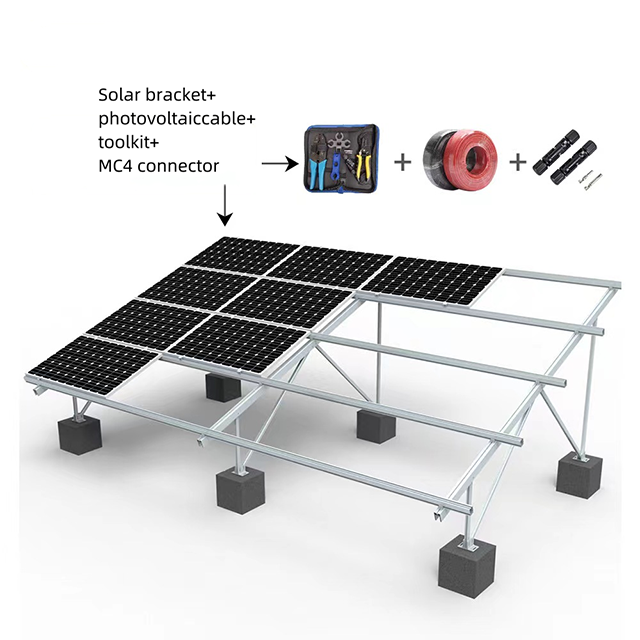
Your racking system securely holds the expensive hardware in place. You must balance strict wind uplift requirements against roof warranty preservation. Evaluate the mounting methods closely.
Ballasted Systems: These use heavy concrete blocks to hold panels down. They minimize roof penetrations and protect membrane warranties.
Penetrating Systems: These mechanically attach directly to the roof structure. They suit high-wind zones and hurricane-prone coastal regions perfectly.
Hybrid Systems: These combine minimal mechanical anchors alongside strategic ballasting. They balance weight limits and uplift resistance.
Inverter Technology Comparison Chart
Technology Type
Ideal Application Scenario
Shade Tolerance
Maintenance Complexity
Central/String Inverter
Large commercial flat roofs without obstructions.
Low. Shading one panel affects the entire string.
Low. Centralized location simplifies servicing.
Microinverter
Complex residential roofs with varying angles.
High. Individual panel optimization.
Moderate. Requires roof access to replace units.
DC Power Optimizer
Mixed commercial roofs with HVAC shading.
High. Conditions DC power before the central inverter.
Moderate. Combines roof-level and ground-level hardware.
![Rooftop Photovoltaic System Design Overview]()
Commercial vs. Residential: Sizing and Design Frameworks
Scalability heavily drives overall system design. You must continuously optimize the architecture based on the specific property type. A warehouse requires a completely different approach than a single-family home.
Load Profiling & Energy Audits
Historical consumption data dictates accurate system sizing. You need comprehensive 15-minute interval data to map usage accurately. Residential systems usually focus on offsetting peak evening energy use. Homeowners benefit most from storing daytime solar in batteries for night usage. Commercial installations require completely different strategies. Businesses must focus on flattening daytime demand charges. They size commercial systems specifically to offset heavy HVAC loads during peak afternoon business hours.
Maximizing Roof Real Estate
Roofs rarely offer a perfect, empty canvas. You must navigate complex setbacks and avoid bulky HVAC equipment constantly. Conduct a thorough 3D shading analysis using advanced modeling tools. This crucial step reveals how parapet walls and nearby trees cast moving shadows across the year. Optimize tilt angles and azimuth orientations carefully. Aiming panels strictly south achieves the maximum annual yield. Pointing them east-west can create much flatter energy generation curves. Flatter curves align much better with continuous commercial energy consumption profiles.
Risk Management, Safety, and Compliance Standards
Operational risks and legal safety requirements demand your strict attention. You cannot compromise on local code compliance. Overlooking safety standards leads to disastrous financial and physical consequences.
Structural Integrity and Roof Lifespan
Pre-installation structural engineering reviews remain absolutely critical. Licensed engineers must calculate both dead loads and live loads accurately. Dead loads include static panel and racking weight. Live loads account for dynamic wind uplift and heavy snow accumulation. Align your roof lifespan directly with the solar array. A new solar asset lasts over 25 years. Avoid placing expensive hardware on a deteriorating roof membrane. Replacing a failing roof directly under an existing solar array incurs massive labor costs.
Fall Protection and Occupational Safety
Installation crews and future maintenance workers desperately need safe environments. You must ensure full OSHA compliance throughout the project lifecycle. Integrate permanent guardrails directly into the initial design layout. Install reliable lifeline anchor points systematically. Establish clear, safe access zones for routine cleaning. Proper safety infrastructure absolutely prevents tragic workplace accidents. It also helps facility managers avoid hefty regulatory fines during routine inspections.
Fire Codes and Rapid Shutdown Requirements
Strict fire safety rules dictate your electrical design. Navigate National Electrical Code (NEC) mandates very carefully. Specifically, NEC 690.12 requires module-level rapid shutdown capabilities across the array. This safety system de-energizes panels instantly during emergencies. It explicitly protects first responders from high-voltage shocks during active firefighting efforts. Failing to integrate rapid shutdown hardware guarantees failed municipal inspections.
Financial Evaluation and ROI Modeling
Avoid over-optimistic sales pitches from aggressive vendors. Take a highly skeptical, evidence-based approach to all financial projections. Proper modeling requires looking at long-term operational realities.
CAPEX vs. OPEX Funding Models
Examine your capital procurement options carefully. A cash purchase offers the absolute highest long-term returns. Power Purchase Agreements (PPA) brilliantly eliminate upfront capital expenditures. Solar leases provide fixed monthly payments without the burdens of system ownership. You must account for long-term cash flows rigorously. Include inevitable inverter replacement costs around year 15. Factor in routine annual Operations & Maintenance (O&M) expenses. Realistic financial modeling inherently prevents nasty budget surprises later in the system lifecycle.
Navigating Incentives and Tax Credits
Government incentives significantly improve overall project economics. Factor in the federal Investment Tax Credit (ITC) early in your modeling. Leverage the Modified Accelerated Cost Recovery System (MACRS) for accelerated commercial depreciation benefits. Secure local utility rebates wherever they remain available. Apply these financial offsets accurately. Do not over-inflate your baseline ROI projections by assuming transient incentives will last indefinitely.
Levelized Cost of Energy (LCOE)
Calculate the true cost of solar electricity per kilowatt-hour generated. This metric lets you compare solar directly against projected utility rate hikes over time. Follow these specific steps to calculate LCOE accurately:
Sum up all initial capital costs minus any immediate tax credits.
Estimate total lifecycle O&M expenses and scheduled hardware replacement costs.
Project the total energy generation in kWh over 25 years, explicitly factoring in annual panel degradation.
Divide the total lifecycle financial expenses by the total lifetime energy generation.
Comparing your final LCOE to local grid rates reveals the true financial viability of your proposed project.
Shortlisting Partners and Implementation Next Steps
Selecting an experienced EPC (Engineering, Procurement, and Construction) contractor dictates ultimate project success. Proper vetting prevents shoddy workmanship and delayed commissioning schedules.
Vetting Credentials and Track Record
Look beyond slick marketing materials and generic promises. Request historical yield data from their past installations. Compare these actual numbers against their original production estimates. Verify their active NABCEP (North American Board of Certified Energy Practitioners) certifications. Ensure they possess specialized experience relevant to your specific commercial or residential scope. A contractor used to residential shingle roofs may fail spectacularly on a commercial TPO membrane.
Analyzing Contractual Warranties
Read the fine print on all vendor contracts meticulously. You must differentiate between various warranty types. The product warranty strictly covers hardware defects from the factory. The workmanship warranty exclusively protects you against contractor installation errors. The performance guarantee explicitly ensures minimum annual energy yields. Identify sneaky loopholes in "expected degradation" clauses. Some contracts allow excessive annual degradation before triggering any financial compensation.
The Implementation Roadmap
Follow a strict Standard Operating Procedure (SOP) to guarantee deployment success. Keep project managers accountable at every phase.
Feasibility Study: Assess structural site viability and perform shading analysis.
Engineering & Permitting: Finalize electrical designs and secure municipal approvals.
Procurement: Source premium panels, inverters, and heavy-duty racking.
Construction: Execute the physical installation safely.
Interconnection: Pass strict utility inspections and connect to the local grid.
Commissioning: Power on the system and verify baseline performance metrics.
Conclusion
A successful rooftop solar installation operates as a holistic infrastructure upgrade. It is never just an off-the-shelf product. Your modules, inverters, and structural safety systems must work seamlessly together. We emphasize the critical importance of front-loading structural and financial audits. Do this thoroughly before signing any binding vendor contracts. Solid preparation mitigates catastrophic operational risks. Direct your facilities team to request a comprehensive site feasibility study today. A professional structural roof audit will begin your evaluation process safely and accurately.
FAQ
Q: How heavy is a standard rooftop photovoltaic system, and will it damage my roof?
A: A standard system typically adds 3 to 6 pounds per square foot to your roof. This weight rarely damages modern structures. However, you must obtain a structural engineering sign-off before installation. Engineers evaluate both dead loads from equipment and dynamic live loads from wind and snow. This prevents structural sagging or failure.
Q: Can an energy storage system be added to an existing solar array later?
A: Yes, you can add batteries later. This requires either an AC-coupled or DC-coupled retrofit. AC-coupling uses a separate battery inverter to convert AC power back to DC for storage. DC-coupling connects batteries directly to the solar generation line. Retrofitting often requires upgrading your main electrical panel to handle the new hardware.
Q: What happens to the solar system if the grid goes down?
A: Standard grid-tied systems shut down immediately during grid outages. This safety feature, called anti-islanding, prevents your panels from sending lethal voltages back into grid lines while repair crews work. To keep power running during an outage, you must pair your system with a specialized battery backup configured for off-grid isolation.
Q: How much maintenance does a rooftop solar installation actually require?
A: These systems require minimal but consistent maintenance. Realistic O&M includes an annual visual inspection of mounting hardware and wire management. You need electrical testing to verify string performance. Periodic panel cleaning is necessary based on local environmental factors. Heavy dust, pollen, or bird droppings can severely reduce energy output if left uncleaned.