- Home
-
-
What Is Rooftop Solar Power? Components, Types and Applications
Views: 0 Author: Site Editor Publish Time: 2026-07-17 Origin: Site
![facebook sharing button]()
![twitter sharing button]()
![line sharing button]()
![wechat sharing button]()
![linkedin sharing button]()
![pinterest sharing button]()
![whatsapp sharing button]()
![kakao sharing button]()
![snapchat sharing button]()
![sharethis sharing button]()
Transitioning to solar power goes beyond simple environmental initiatives. It represents a calculated utility hedge. You secure a tangible, structural asset investment. Generating electricity from your roof sounds straightforward. However, configuring a viable rooftop photovoltaic system requires careful evaluation. You must assess hardware choices. Grid interactions demand scrutiny. Structural readiness remains paramount. Property owners face numerous technical decisions today. Choosing the wrong equipment often leads to suboptimal yield. It can also cause severe compliance failures.
This guide breaks down the essential hardware. We explore various system architectures. We provide evaluation criteria to help you succeed. You will learn how to spec and purchase equipment properly. We ensure you implement a high-performing solar array smoothly. We empower you to make informed decisions. Installing reliable energy generation assets protects against rising utility rates. Every building has unique energy demands. Understanding these nuances guarantees long-term operational success.
Key Takeaways
A reliable rooftop photovoltaic system relies heavily on component synergy, particularly the matching of solar modules with the appropriate solar inverter architecture.
Mounting hardware (photovoltaic brackets) is critical for structural integrity and preserving roof warranties.
System types (Grid-tied, Off-grid, Hybrid) dictate both the upfront capital expenditure and the long-term energy resilience of the property.
Successful implementation requires rigorous upfront assessment of local compliance, shading profiles, and roof lifespan before procurement.
Understanding the Rooftop Photovoltaic System
A rooftop photovoltaic system functions as a localized power generation network. Installers place these networks on residential or commercial rooftops. The system captures sunlight. It then converts this solar energy into usable alternating current (AC) electricity. This AC power feeds directly into your building.
From a business perspective, solar acts as a decentralized utility asset. It offsets standard grid consumption. Commercial properties use it to manage expensive peak demand charges. It also provides a predictable Levelized Cost of Energy (LCOE). You lock in long-term power costs. This shields your budget from volatile utility rates.
Success depends on clear performance criteria. A successfully deployed array maximizes energy yield per square foot. However, output means nothing without safety. The installation must maintain strict compliance. You have to follow local structural and electrical codes strictly. Proper planning balances high energy production against rigorous safety standards.
Core Components: Specifying for Reliability and Yield
Your array requires several specialized components working together. Evaluating these parts upfront prevents downstream failures.
Evaluating Solar Modules
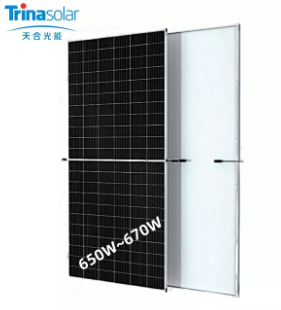
Modules serve as the primary generation asset. They capture solar irradiance directly. When evaluating solar modules, you will compare monocrystalline against polycrystalline technologies. Monocrystalline panels offer higher efficiency. They perform better in limited spaces. Polycrystalline options cost less but require more roof area.
Look closely at degradation rates. You want to guarantee performance at year 25. Check the temperature coefficient. This metric shows how heat affects power output. Always prioritize equipment from tier-1 manufacturers. Their bankability ensures long-term warranty support.
Selecting the Solar Inverter
The inverter acts as the system's brain. It converts direct current (DC) into alternating current (AC). Selecting the right solar inverter dictates your overall architecture. You have three main choices.
String inverters offer cost-effective solutions. However, they introduce a single point of failure. Microinverters attach to individual panels. They provide excellent shade tolerance and system modularity. Hybrid inverters bridge the gap. They manage grid connections and battery integration simultaneously.
Photovoltaic Bracket and Mounting Infrastructure
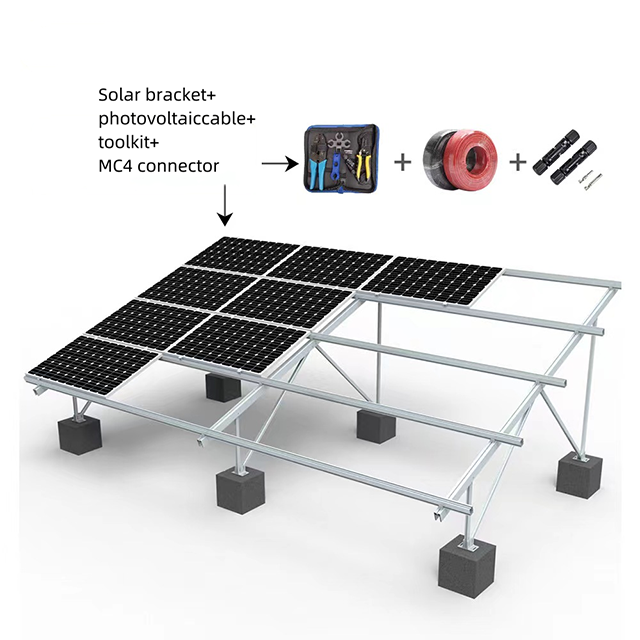
You must secure the array firmly. You also must protect the building envelope. A high-quality photovoltaic bracket ensures structural integrity. Installers evaluate wind and snow load ratings carefully.
Roof penetration methods vary by structure. Flat roofs typically utilize ballasted systems. These rely on weight to hold panels down. Pitched roofs require flashed penetrations. These seal screw holes against water leaks. You must also prevent galvanic corrosion. This happens when dissimilar metals interact. Proper grounding mitigates this risk.
Energy Storage and Balance of System (BOS)
You can capture excess generation for later use. Adding energy storage requires careful chemistry selection. Lithium-ion batteries dominate the market. Compare Lithium Iron Phosphate (LFP) against Nickel Manganese Cobalt (NMC). LFP offers superior safety and cycle life. NMC provides higher energy density.
The Balance of System (BOS) includes vital physical infrastructure. This covers wiring, conduits, and disconnects. You must install NEC-compliant rapid shutdown devices. These safety mechanisms mitigate fire risks. They protect first responders during emergencies.
![Rooftop solar power system]()
Types of Rooftop Solar Architectures
System architecture dictates your upfront costs. It also determines your long-term energy resilience. Choose the layout matching your operational goals.
Grid-Tied (On-Grid) Systems
These setups connect directly to the utility grid. They do not include on-site batteries. Grid-tied arrays suit properties seeking fast ROI. They work best in regions offering favorable net-metering policies. The utility grid acts as a virtual battery. You export excess power and receive bill credits.
This architecture has a major limitation. It does not provide backup power. Your array shuts down during grid outages. This protects utility workers fixing local lines.
Hybrid Systems (Grid-Tied with Storage)
Hybrid setups connect to the grid. They also include a localized battery bank. You draw from batteries during peak rate hours. They suit areas facing frequent grid instability. They also help property owners combat diminishing net-metering compensation.
You maximize self-consumption. The system intelligently routes power. It decides whether to charge batteries, power loads, or export energy. This offers the best balance of economics and resilience.
Off-Grid Systems
Off-grid arrays sever ties from the utility entirely. They rely completely on heavy storage capacity. They also require robust localized generation. You use them for remote applications. Sometimes utility connections prove financially prohibitive. Sometimes they are logistically impossible.
These require meticulous load profiling. You must size them to handle winter energy deficits. They represent the most expensive architectural choice.
Comparison of Solar Architectures
Architecture Type
Grid Connection
Battery Included
Best Application Scenario
Grid-Tied
Yes
No
Locations having strong net-metering policies.
Hybrid
Yes
Yes
Areas facing Time-of-Use rates or power outages.
Off-Grid
No
Yes (Heavy)
Remote cabins or isolated industrial sites.
Key Applications: From Residential to C&I
Deployment scale changes the engineering requirements. Use cases vary significantly between homes and large commercial spaces.
Residential Applications
Homeowners focus on offsetting household energy bills. A well-designed array increases property value. It also helps achieve basic energy resilience. Residential setups typically range from 5kW to 15kW.
Aesthetic integration: Installers use low-profile mounting hardware.
Smart monitoring: Homeowners track generation via mobile apps.
Targeted offsets: Arrays cover specific loads like air conditioning or EV chargers.
Commercial and Industrial (C&I) Applications
Enterprises focus on broader financial and compliance goals. They install solar to meet ESG criteria. They leverage it for aggressive peak shaving. These arrays handle large-scale utility offsets. System scale typically runs from 50kW to 1MW or more.
Advanced load profiling: Engineers match generation curves against factory shifts.
Three-phase power: Industrial equipment requires specialized inverter integration.
Mounting strategy: Installers utilize flat-roof ballasted mounting extensively.
Implementation Risks and Evaluation Criteria
Procuring solar hardware involves substantial risk. You must navigate physical, regulatory, and contractual hurdles safely.
Structural and Roof Readiness
Always assess the remaining lifespan of your roof first. Apply a strict rule of thumb. Do not install a 25-year solar asset on a failing roof. If it requires replacement within 5 to 10 years, replace it now. Removing and reinstalling panels later destroys your ROI. Hire a structural engineer. They will verify roof load bearing capacities.
Shading and Yield Realities
Avoid exaggerated generation claims. Unethical vendors sometimes inflate production estimates. Mitigate this by utilizing conservative solar modeling. Professionals use software like PVsyst or Helioscope.
These tools account for localized weather patterns. They model micro-shading from chimneys, trees, and neighboring buildings. Realistic modeling sets accurate financial expectations.
Compliance and Permitting Interconnection
Navigating local regulations requires patience and expertise. You deal directly with the Authority Having Jurisdiction (AHJ). They enforce local building codes. You must also secure utility interconnection agreements. This legal contract permits you to push power onto the grid.
Residential owners face additional hurdles. Homeowner Association (HOA) restrictions often dictate panel placement. Clear these hurdles before purchasing equipment.
Warranty Traps
Warranties look straightforward initially. However, you must distinguish between three distinct types.
Product warranties: These cover physical hardware defects. They usually last 10 to 12 years.
Performance warranties: These guarantee degradation limits. They typically promise 80% output at year 25.
Workmanship warranties: Installers provide these. They cover roof leaks and wiring faults. Ensure you get a separate workmanship warranty in writing.
Shortlisting a Vendor and Next Steps
Your hardware only performs as well as the installation team. Vetting partners requires a systematic approach.
Vendor Vetting Logic
Demand proof of specific credentials. Ask for NABCEP certification. This represents the gold standard for solar installers. Check their localized installation experience. They must understand your specific municipal codes. Demand transparent, itemized quotes. They should provide a full Bill of Materials (BOM).
Proposal Red Flags
Watch out for aggressive sales tactics. Reputable firms do not pressure you into signing today. Refusals to provide detailed shade reports indicate laziness. Be wary of quotes obscuring component brands. You need to know exactly which panels you are buying.
The Action Plan
Follow a structured procurement process. Do not rush the evaluation phase.
Request site audits: Have engineers inspect your roof physically.
Compare customized proposals: Secure at least three different bids. Compare the LCOE, not just the total price.
Secure timelines: Get clear, written schedules. Outline exact dates for permitting, installation, and utility interconnection.
Conclusion
A high-yielding rooftop photovoltaic system requires careful planning. It results from matching quality components to your specific site conditions. You must align modules, inverters, and brackets perfectly. Understand your usage goals before spending capital. Weigh the benefits of grid-tied versus hybrid architectures.
Prioritize long-term reliability over the lowest upfront bid. Cheap hardware usually fails prematurely. Focus heavily on structural compliance and accurate yield modeling. Take actionable steps today. Audit your roof health first. Then, solicit detailed proposals from certified professionals. This disciplined approach guarantees a resilient, cost-effective energy asset.
FAQ
Q: How heavy is a rooftop photovoltaic system? Will my roof support it?
A: A typical system adds about 3 to 4 pounds per square foot to your roof. Most modern roofs support this dead load easily. However, older structures may struggle. You must hire a structural engineer. They will conduct a load review before installation. They calculate both dead weights and potential wind uplift forces.
Q: Can I add energy storage to my system later?
A: Yes, you can add batteries later. This process uses AC-coupling. You install a separate battery inverter alongside your existing solar inverter. However, planning ahead saves money. Installing a hybrid inverter initially allows for seamless DC-coupling. This makes future battery integration much cheaper and more efficient.
Q: What happens to rooftop solar panels at the end of their lifespan?
A: Panels degrade slowly over time. They typically retain 80% efficiency after 25 years. They still produce power, just less of it. When finally decommissioned, emerging recycling protocols come into play. Facilities strip the aluminum frames and extract the glass. They recover valuable metals like silver and copper for reuse.
Q: Does a grid-tied system work during a blackout?
A: No, standard grid-tied systems shut down during blackouts. Building codes mandate rapid shutdown safety requirements. This prevents your array from back-feeding electricity into dead power lines. It protects utility crews working on those lines. You must install a hybrid system with batteries if you want backup power.