- Home
-
-
How Does a Rooftop Solar System Work?
Views: 0 Author: Site Editor Publish Time: 2026-07-20 Origin: Site
![facebook sharing button]()
![twitter sharing button]()
![line sharing button]()
![wechat sharing button]()
![linkedin sharing button]()
![pinterest sharing button]()
![whatsapp sharing button]()
![kakao sharing button]()
![snapchat sharing button]()
![sharethis sharing button]()
Many property owners treat solar installations as simple environmental upgrades. We must move past this basic view. A well-designed rooftop photovoltaic system actually serves as a localized power plant and a serious financial asset. Understanding the technical mechanics of these systems remains absolutely crucial. You need this specific knowledge to evaluate multiple quotes effectively. It allows you to compare hardware tiers accurately and calculate realistic returns. Without it, you risk falling for overly optimistic sales pitches.
The purpose of this guide is to break down the underlying system architecture clearly. We will explore complex energy flows and evaluate crucial grid interactions. Armed with this knowledge, you can confidently review complex proposals. You will learn to spot potential pitfalls and actively mitigate long-term adoption risks.
Key Takeaways
A reliable rooftop photovoltaic system relies on the seamless integration of generation, conversion, and structural mounting hardware, not just panel quality.
The type of photovoltaic inverter you choose dictates system efficiency, especially in non-optimal shading conditions.
Modern setups require a strategic choice between relying entirely on a grid-connected solar system (net metering) or integrating energy storage for resilience against outages and peak rates.
Verifying roof structural integrity and shading profiles beforehand prevents unexpected installation costs and underperformance.
The Core Architecture: What You Are Actually Buying
Solar Modules (Panels)
The journey begins when sunlight interacts with your solar modules. These modules contain highly sensitive photovoltaic cells. The cells absorb photons and release electrons to create Direct Current (DC) electricity. This scientific process forms the foundation of your power generation. You must evaluate panels based on specific criteria rather than brand names alone.
Buyers typically choose between monocrystalline and polycrystalline panels. Monocrystalline panels dominate the modern market. They cost slightly more but deliver superior efficiency. You must balance this upfront cost against specific efficiency ratings. Temperature coefficients also play a vital role. A lower temperature coefficient means the panel performs better in extreme heat. Furthermore, you should demand strong degradation warranties. Tier-1 manufacturers typically guarantee performance above 80% for 25 years.
Common Mistake: Choosing panels based solely on peak wattage ratings. You must evaluate how the panel performs under real-world temperature fluctuations.
The Photovoltaic Inverter
Your panels generate DC electricity, but your property runs on Alternating Current (AC). This discrepancy introduces the need for a photovoltaic inverter. Think of the inverter as the central brain of your power plant. It manages the essential conversion process safely and efficiently. The selection logic here directly dictates your system efficiency.
String inverters offer a highly cost-effective solution. They work beautifully for large, unshaded roofs facing a single direction. However, they possess a distinct vulnerability. If shade covers one panel, the entire string suffers a performance drop. Microinverters and power optimizers solve this issue. Installers attach them to individual panels. They cost more upfront but become essential for multi-angled or partially shaded roofs. You must match the inverter technology to your specific roof profile.
Racking and Mounting Systems
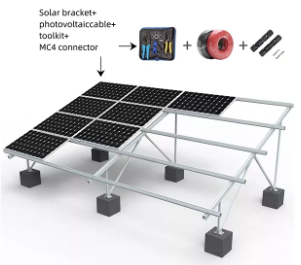
Power generation means nothing if the hardware damages your property. Racking and mounting systems safely attach the panels to your roof. They must secure heavy glass and metal without causing destructive leaks. They must also avoid placing undue structural stress on your trusses.
Risk mitigation starts during the hardware selection phase. You must evaluate the flashing quality used around roof penetrations. High-quality flashing prevents water ingress during heavy rain. Furthermore, you must verify the local wind-load ratings. The hardware must withstand intense weather events common in your region. Finally, ensure the mounting hardware warranty matches the 25-year panel warranty. Mismatched warranties often lead to future disputes.
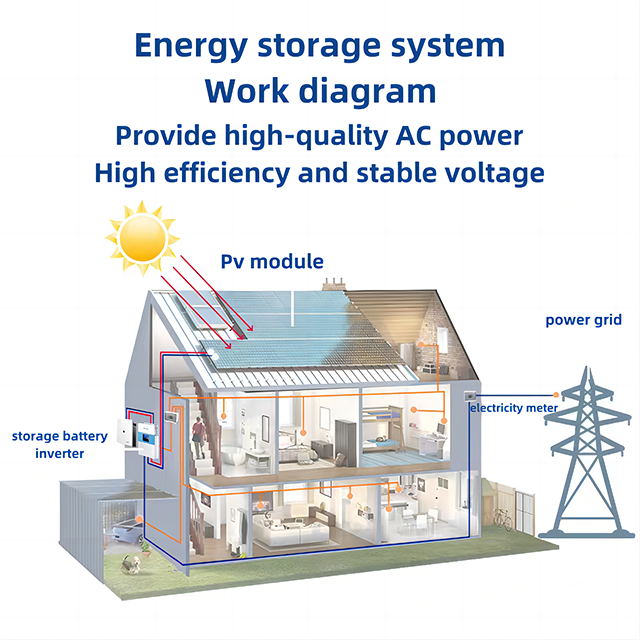
![Rooftop Photovoltaic System Architecture]()
Energy Flow: From Sunlight to Appliance (and the Efficiency Losses)
The Generation Phase
Understanding the energy flow helps you set realistic performance expectations. The generation phase begins the moment sunlight hits the array. The photovoltaic cells excite electrons, generating raw DC power. The wiring system then routes this DC power directly to the inverter. Weather conditions, panel orientation, and seasonal sun angles heavily influence this initial phase.
Sunlight strikes the specialized silicon cells.
Electrons flow through the wiring as direct current.
The system consolidates the power at the inverter junction.
The Conversion Phase
The conversion phase involves transforming the DC power into usable AC power. The inverter handles this complex task continuously. We must establish a transparent assumption here. Every energy conversion involves slight losses. Standard conversion processes typically lose between 10% and 15% of the raw energy.
You also need to understand "clipping." Installers sometimes pair a smaller inverter with a larger panel array. They do this to maximize early morning and late afternoon production. During peak sunlight, the panels might produce more power than the inverter can process. The system simply discards this excess power. System sizing must account for this reality. You cannot rely on theoretical peak output alone.
The Consumption Phase
Once converted, the AC power flows directly to your property's main electrical panel. Your property uses this solar energy first. It seamlessly prioritizes this localized power over grid power. This instant consumption immediately reduces your utility draw. You only pull electricity from the local grid when your consumption exceeds your active solar production.
Managing Excess Power: Grid Integration vs. Energy Storage
The Grid-Connected Solar System Approach
Most modern installations utilize a grid-connected solar system approach. On sunny days, your system often generates more electricity than your property consumes. The setup exports this excess power backward into the utility grid. Your utility meter literally spins backward in older setups.
This process relies heavily on Net Energy Metering (NEM) credits. The utility company credits your account for the exported power. You then use these credits at night to offset your utility draw. However, a major risk factor exists. Standard grid-tied systems must automatically shut off during a blackout. This safety feature prevents your system from shocking utility workers repairing the local grid lines.
Adding Energy Storage (Batteries)
You can bypass grid limitations by integrating energy storage into your system. When your panels overproduce, the excess power charges an on-site battery bank first. The system only sends surplus power to the grid after fully charging the batteries. This creates profound resilience against unexpected blackouts.
Your return on investment depends heavily on local utility rate structures. Many utilities utilize Time-of-Use (TOU) rates. They charge significantly more for electricity during peak evening hours. Batteries allow you to avoid these peak rates entirely. You power your home using stored solar energy when grid prices peak. If you delay buying batteries, consider installing a hybrid inverter today. This ensures seamless scalability for future battery retrofitting.
Implementation Realities: Assessing Site Viability and Structural Risks
Roof Condition and Age
Installing solar creates a 25-year financial asset. You face a massive financial risk if you install this asset on a failing roof. Removing and reinstalling a solar array to replace a roof costs thousands of dollars. You must assess the roof condition rigorously before signing any contract.
Best Practice: Always follow the golden rule of solar installation. Replace roofs nearing the end of their lifespan before you install the array. If your asphalt shingle roof is over 15 years old, replace it first.
Structural Load Compliance
Solar panels add considerable dead weight to your roof structure. Racking systems and hardware compound this extra weight. Furthermore, the panels act like giant sails during severe storms. They introduce dynamic wind loads pulling upward against the trusses. You must ensure structural load compliance early in the planning phase. An independent structural engineer should verify the existing trusses can handle these combined forces.
Assessment Area
Key Risk Factor
Recommended Action
Roof Lifespan
Need for replacement within 5-10 years.
Replace roofing materials before solar installation.
Structural Framing
Trusses unable to bear dead weight and dynamic wind loads.
Hire a structural engineer to reinforce rafters.
Electrical Panel
Insufficient amperage for backfeed breakers.
Upgrade main service panel to 200 amps minimum.
Shading Profile
Nearby trees or chimneys blocking peak sunlight.
Trim vegetation and utilize microinverters.
Electrical Panel Capacity
Your main service panel dictates how much electricity your property can safely process. Many older properties feature outdated 100-amp service panels. A modern solar array requires significant breaker space. You must determine if your property requires an upgrade to handle the dedicated backfeed breaker. We strongly recommend a 200-amp service minimum. Panel upgrades impact your total installation costs, so you must identify this need upfront.
Evaluating Proposals: Shortlisting Logic for Decision Makers
Production Guarantees vs. Estimates
Reading a solar quote requires intense scrutiny. Sales teams often highlight best-case scenario math. They assume perfect weather, zero dust, and flawless grid uptime. You must look past these optimistic estimates. Focus entirely on conservative, weather-adjusted production models.
Demand rigid production guarantees embedded in the contract. A production guarantee states the installer will reimburse you if the system underperforms. This shifts the financial risk away from you. It forces the installer to design a highly accurate, conservative system model.
Hardware Tiering
You will encounter massive price disparities between different hardware proposals. These differences usually relate to hardware tiering. You should exclusively target Tier-1 manufacturing status. Financial institutions classify solar manufacturers based on their financial stability and scale.
Tier-1 manufacturers rarely default on their obligations. They possess the capital to honor a 25-year warranty. Buying cheaper Tier-2 or Tier-3 hardware creates tremendous long-term risk. If the manufacturer goes bankrupt, your warranty instantly becomes worthless. Always prioritize bankability over minor upfront savings.
Workmanship Warranties
Do not confuse the manufacturer's equipment warranty with the installer's workmanship warranty. The manufacturer only guarantees the hardware itself. If a panel fails, they replace the panel. However, they do not cover the labor to swap it. They also refuse liability if the installer damages your roof.
You must scrutinize the workmanship warranty closely. This document differentiates elite installers from opportunistic contractors. It guarantees against roof leaks, faulty wiring, and poor alignment. You should ideally demand a workmanship warranty lasting 10 years or more. A strong warranty proves the installer trusts their own labor teams.
Conclusion
A rooftop solar system represents far more than a simple appliance purchase. It acts as a highly integrated electrical upgrade. Component matching, structural assessment, and realistic production modeling dictate your financial outcome. By understanding these technical layers, you strip away the sales jargon. You can now evaluate proposals based on engineering realities and long-term viability.
Next Steps:
Gather at least three customized quotes from well-reviewed local installers.
Request a detailed site shading analysis to uncover hidden production risks.
Ask installers to justify their specific inverter recommendations for your unique roof.
Clarify exact grid interconnection timelines to prevent post-installation delays.
FAQ
Q: Do solar panels work during a power outage?
A: Only if you have an integrated energy storage system or a specialized hybrid inverter. Standard grid-connected solar systems automatically shut down during outages. This safety compliance prevents your system from sending live electricity onto utility lines while workers perform active repairs.
Q: Do solar panels still generate power on cloudy days?
A: Yes, they still produce power, but at a heavily reduced capacity. You can expect them to generate roughly 10% to 25% of their theoretical peak rating. Reputable installers already factor local weather patterns and historic cloud cover into your conservative production models.
Q: What maintenance does a rooftop photovoltaic system require?
A: These systems require surprisingly minimal maintenance. You should schedule occasional cleaning, depending entirely on local dust and pollen accumulation. You also need annual visual inspections to check for wiring damage. The complete lack of moving parts keeps your ongoing maintenance costs highly predictable.