

- Home
-
-
How Photovoltaic Inverters Affect Solar System Energy Output
Views: 0 Author: Site Editor Publish Time: 2026-05-15 Origin: Site
![facebook sharing button]()
![twitter sharing button]()
![line sharing button]()
![wechat sharing button]()
![linkedin sharing button]()
![pinterest sharing button]()
![whatsapp sharing button]()
![kakao sharing button]()
![snapchat sharing button]()
![sharethis sharing button]()
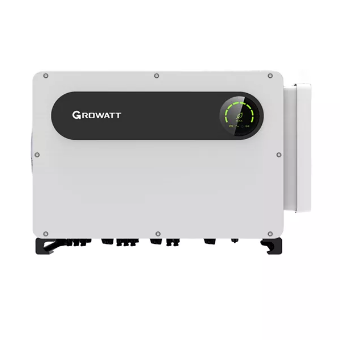
While solar panels capture the spotlight, the true "brain" of any solar energy system is its inverter. This critical component does more than just convert direct current (DC) from the panels into usable alternating current (AC). It is the central intelligence hub that dictates how much power is actually harvested, delivered, and managed. Many system owners notice a "yield gap"—a frustrating difference between the panels' theoretical output and the actual energy their system produces. This gap is often governed by the inverter's performance. Choosing the right inverter technology isn't just an upfront hardware decision; it's a 20-year financial commitment that profoundly impacts both initial performance and the long-term Total Cost of Ownership (TCO).
This guide will explore how inverters directly influence your solar system's energy output and return on investment. We will demystify efficiency ratings, explain the critical role of power tracking algorithms, and examine how thermal management impacts long-term reliability. By understanding these key factors, you can make an informed decision that maximizes your energy harvest for decades to come.
Key Takeaways
Conversion Efficiency: Modern inverters range from 95% to 98.5%; even a 1% difference significantly impacts ROI over 20 years.
MPPT Precision: Maximum Power Point Tracking (MPPT) is the primary driver for "squeezing" energy from panels under variable shading or weather.
Thermal Management: Lower efficiency leads to higher heat, which accelerates component aging and increases failure rates.
System Sizing: The DC-to-AC ratio (overclocking) is a strategic lever to maximize energy harvest during low-light hours.
Grid Compliance: Advanced "smart" functions like reactive power compensation and fault ride-through are now essential for grid-tied stability.
The Mechanics of Efficiency: Conversion Losses and Material Innovation
The efficiency of a Photovoltaic Inverter is the single most discussed metric, but its true meaning is often misunderstood. It's not a static number; it fluctuates based on load, temperature, and input voltage. Understanding the nuances of efficiency ratings and the material science behind them is crucial for predicting real-world energy production.
Peak vs. Weighted Efficiency
Manufacturers often advertise "peak efficiency," which is the inverter's maximum performance under ideal laboratory conditions. However, a solar system rarely operates at this perfect point. To provide a more realistic performance forecast, industry standards use weighted efficiency ratings.
Peak Efficiency: The highest efficiency an inverter can achieve, typically at about 75% of its rated load. This is a useful marketing figure but less practical for ROI calculations.
European (Euro) Efficiency: This weighted average gives more importance to performance at moderate power levels, reflecting typical weather patterns in Europe. It provides a better real-world estimate than peak efficiency.
California Energy Commission (CEC) Efficiency: Similar to Euro efficiency, the CEC rating is a weighted average tailored to the sunnier climate of California. It is widely considered the most accurate predictor of annual performance in North America.
When comparing inverters, always prioritize CEC or Euro ratings over peak efficiency for a more accurate financial projection.
Wide Bandgap Semiconductors
The magic inside modern high-efficiency inverters lies in advanced semiconductor materials. Traditional inverters use Silicon (Si) based transistors. While effective, they suffer from significant energy losses during the high-frequency switching needed to create an AC sine wave. These losses manifest as heat.
Innovations in wide bandgap semiconductors have revolutionized inverter design:
Silicon Carbide (SiC): Can handle higher voltages and temperatures with lower resistance. This reduces switching losses, allowing for higher efficiency and more compact designs.
Gallium Nitride (GaN): Offers even faster switching speeds than SiC, further minimizing energy loss and enabling smaller, lighter inverters with less need for bulky cooling systems.
Inverters built with SiC or GaN technology not only achieve higher peak efficiencies but also maintain better performance at high temperatures, directly boosting your overall energy yield.
The "Sweet Spot" Load Profile
An inverter does not operate at the same efficiency across its entire power range. Most inverters achieve their best performance when operating between 30% and 80% of their rated capacity. Performance tends to drop off at very low loads (early morning) and very high loads (nearing the inverter's maximum output). A well-designed system matches the solar array size to the inverter capacity to ensure the inverter spends most of its operating hours within this "sweet spot," maximizing the energy harvested throughout the day.
Harmonics and Power Quality
To convert DC to AC, inverters use a technique called Pulse Width Modulation (PWM), which involves switching the DC input on and off thousands of times per second. While this creates a smooth AC sine wave, it can also introduce unwanted electrical noise called "harmonics." Poor power quality can interfere with other sensitive electronics on the same circuit. High-quality inverters incorporate sophisticated internal filters to clean up the AC output, ensuring a pure sine wave that is safe for all your appliances and compliant with utility grid standards. This "cleanliness" of power is a hallmark of a well-engineered device.
Maximizing Yield via MPPT and DC-to-AC Ratios
Beyond raw conversion efficiency, an inverter's intelligence—specifically its ability to track and adapt—plays a monumental role in maximizing energy harvest. This is where algorithms and strategic system design come into play, squeezing every possible watt-hour from your solar panels.
Dynamic MPPT Tracking
Every solar panel has a unique "Maximum Power Point" (MPP)—a specific combination of voltage and current that yields the most power. This point changes constantly with sunlight intensity (irradiance) and temperature. The inverter's job is to find and operate at this moving target. This process is called Maximum Power Point Tracking (MPPT).
A superior MPPT algorithm is fast and precise. When a cloud passes, for example, the MPP shifts rapidly. A slow or inaccurate tracker will lag, failing to capture the maximum available energy during these fluctuations. Advanced inverters use sophisticated algorithms that can scan the entire voltage range in milliseconds, ensuring minimal "energy lag" and maximizing yield in real-world, variable conditions.
Multi-MPPT vs. String Optimization
Not all rooftops are simple, south-facing rectangles. Many have multiple orientations (e.g., east and west wings) or experience partial shading from trees or vents. In these scenarios, a single MPPT input is inefficient.
Multi-MPPT Inverters: These units have two or more independent MPPT inputs. This allows you to connect strings of panels from different roof faces to their own dedicated tracker. Each tracker optimizes its string independently, preventing an underperforming panel (due to shade or orientation) from dragging down the entire array's output.
String Optimizers (DC Optimizers): These are module-level power electronics that work with a central string inverter. Each optimizer performs MPPT for its individual panel. This is the most granular level of optimization, ideal for extremely complex roofs with significant, moving shade patterns.
Strategic Clipping (The DC/AC Ratio)
It may seem counterintuitive, but it's common practice to oversize the DC power of the solar array relative to the AC power rating of the inverter. This is known as the DC-to-AC ratio, or "overclocking." A typical ratio is between 1.1 and 1.3 (e.g., a 12 kW DC array on a 10 kW AC inverter).
The Logic Behind Oversizing:
Boosting Shoulder Production: Solar panels rarely produce their nameplate rating. Oversizing helps the inverter reach its efficient operating range earlier in the morning and stay there later in the evening, capturing more energy during these "shoulder" hours.
Compensating for Degradation: Panels lose a small amount of output each year. An oversized array helps maintain strong production levels later in the system's life.
This strategy can lead to "clipping," where the inverter intentionally curtails any DC power that exceeds its maximum AC output limit, typically during peak sun at midday. However, the energy gained during the morning and evening often far outweighs the small amount of energy lost to clipping, resulting in a higher total annual energy yield.
Global Maximum Power Point (GMPP)
In systems with partial shading, the power-voltage curve can have multiple peaks. A basic MPPT algorithm might get stuck on a local, lower peak, missing the true "Global Maximum Power Point" (GMPP). Advanced inverters employ sophisticated "shade-tolerant" or GMPP-scanning algorithms. These periodically sweep the entire voltage range to ensure they haven't been fooled by shading and are always locked onto the true point of maximum power, recovering significant energy that would otherwise be lost.
Thermal Management and Long-Term Reliability (TCO Drivers)
An inverter's lifespan and sustained performance are directly tied to how well it manages heat. As the hardest-working component in a solar system, its reliability is a primary driver of your long-term Total Cost of Ownership (TCO). A failure can halt all energy production, making thermal design a critical factor in your selection.
The Heat-Efficiency Paradox
Efficiency and heat are inversely related. An inverter with 96% efficiency converts 4% of the DC energy it handles into waste heat. A more advanced model with 98% efficiency only generates 2% waste heat. This 50% reduction in heat generation has a compounding effect. Lower operating temperatures reduce thermal stress on sensitive electronic components, leading to a longer service life and fewer failures. Conversely, a less efficient inverter runs hotter, which can trigger its own protective mechanisms.
When an inverter's internal temperature exceeds a safe limit, it will engage in "power derating"—intentionally reducing its power output to cool down. This throttling directly cuts into your energy harvest, especially on hot, sunny days when production should be at its highest.
Cooling Architectures
Inverters use two primary methods to dissipate heat. The choice between them depends on the application, environment, and cost considerations.
Cooling Method Mechanism Pros Cons Natural Convection Uses large, external heat sinks to passively radiate heat into the air. No moving parts, silent operation, higher reliability, less maintenance. Larger and heavier, may have lower power density. Active Fan Cooling Internal or external fans force air across heat sinks to actively remove heat. More compact and lightweight, higher power density, better for hot climates. Fans are a mechanical failure point, can be noisy, may require periodic cleaning/replacement. For residential settings, fanless natural convection is often preferred for its silent operation and reliability. In demanding commercial or utility-scale environments, active cooling is necessary to manage the immense heat generated by larger units.
Component Aging and Failure Modes
Heat is the primary enemy of electronics. Over time, it accelerates the aging of critical internal components.
Electrolytic Capacitors: These are essential for smoothing out voltage fluctuations. They contain a liquid electrolyte that can dry out over years of heat exposure, leading to reduced performance and eventual failure. This is one of the most common reasons for inverter replacement.
Common Failure Points: Beyond capacitors, other typical issues include EEPROM memory errors (preventing the inverter from booting up), Ground Fault Circuit Interrupter (GFCI) faults caused by moisture, and mechanical wear on internal relays that connect and disconnect the inverter from the grid.
O&M Implications
A reliable inverter minimizes Operations and Maintenance (O&M) costs. Modern inverters with advanced remote monitoring platforms allow technicians to diagnose issues remotely, often before a site visit is needed. This significantly reduces the "Mean Time to Repair" (MTTR), getting your system back online faster. Modular designs, where key components can be swapped out in the field, also protect your investment by avoiding the need for a full unit replacement.
Grid Integration and Safety: Beyond Simple Conversion
The role of the modern Photovoltaic Inverter extends far beyond your property line. As solar penetration increases, inverters are becoming active participants in maintaining a stable and resilient electrical grid. These "smart" or "grid-support" functions are now mandated by utilities in many regions, and they are essential for the future of renewable energy.
Grid-Forming vs. Grid-Following
Traditionally, all residential and commercial inverters were "grid-following." They simply detected the grid's voltage and frequency and synchronized their output to match it. If the grid went down, they shut off for safety.
The new frontier is "grid-forming" inverters. These advanced units have the intelligence to create their own stable AC signal, independent of the grid. This capability is critical for:
Microgrids: Allowing a facility or community to operate independently during a grid outage.
Black Start Capability: In a widespread blackout, grid-forming inverters can be used to re-energize sections of the grid, a task previously reserved for large fossil fuel power plants.
Reactive Power (Volt/VAR) Support
Utilities must carefully manage voltage levels across their networks. Historically, this required expensive mechanical equipment like capacitor banks. Smart inverters can now provide this service digitally. Through a function called Volt/VAR control, the inverter can inject or absorb "reactive power" to help stabilize local grid voltage. By providing this valuable grid service, solar installations can help defer or even avoid costly utility infrastructure upgrades.
Safety and Compliance Standards
A high-quality inverter is designed with multiple layers of safety to protect people, property, and the grid itself. Adherence to the latest standards is non-negotiable.
Key Safety Features:
Type B RCD Requirements: Most modern inverters are transformerless, meaning there is no physical isolation between the DC and AC sides. This design can potentially allow DC fault currents to leak into the AC system. A standard household Residual Current Device (RCD) cannot detect this. Therefore, systems with transformerless inverters require a specialized Type B RCD, which is sensitive to both AC and smooth DC leakage currents.
Arc Fault Circuit Interruption (AFCI): A leading cause of fires in solar systems is a DC arc fault, which can occur from a damaged cable or loose connection. AFCI technology inside the inverter detects the unique electrical signature of an arc and immediately shuts down the system, mitigating a serious fire risk.
Isolation Monitoring: This function continuously checks the integrity of the insulation on the DC wiring. If it detects degradation or moisture ingress that could lead to a ground fault, it will alert the user and safely shut down the system before a dangerous condition develops.
Evaluation Framework: Selecting the Right Inverter for Your Project
Choosing the right inverter is a balancing act of technology, application, and budget. With a clear framework, you can select a unit that maximizes your return on investment over the system's entire lifespan.
Application-Specific Selection
There is no single "best" inverter; the ideal choice depends entirely on your project's specific needs, especially roof complexity and energy storage goals.
Inverter Type Best For Key Advantage Consideration Microinverters Complex roofs with shading from multiple angles; desire for module-level monitoring. Maximum energy harvest in shaded conditions; high system redundancy. Higher upfront cost; more electronic components to maintain on the roof. String Inverters Simple, unshaded roofs; large commercial and utility-scale projects. Most cost-effective solution; proven reliability and easy maintenance. A single shaded panel can impact the output of the entire string (unless optimizers are used). Hybrid Inverters Homes and businesses planning to add battery storage now or in the future. All-in-one solution for solar and storage; enables grid backup and self-consumption. Generally more expensive than standard string inverters; may have specific battery compatibility. The ROI of Quality
It can be tempting to choose a budget inverter to lower the initial system cost. However, this is often a false economy. A premium, high-efficiency inverter will generate more energy every single day. Over 20-25 years, this extra energy production often more than pays for the initial price difference.
To calculate this, you can perform a break-even analysis. Compare the upfront cost difference between two inverters against the projected annual financial benefit from the higher-efficiency model's extra energy production. You'll often find that the break-even point is reached within just a few years, making the premium inverter the more profitable long-term investment.
Warranty and Bankability
An inverter warranty is only as good as the company that backs it. A 10, 12, or even 25-year warranty is standard, but you must evaluate the manufacturer's financial stability and track record. "Bankability" is an industry term for a manufacturer's likelihood of being in business to honor its long-term warranties. Choose established brands with a strong history of support and a physical presence in your country. The reality of a 20-year service agreement depends on the manufacturer's ability to endure, so don't overlook this critical aspect of due diligence.
Conclusion
The photovoltaic inverter is unequivocally the most important active component in your solar energy system. It is the primary determinant of how much power you generate, the system's operational uptime, and ultimately, your financial return. While panels get the attention, the inverter does the heavy lifting, converting raw DC power into high-quality, grid-compliant AC electricity.
When making your decision, prioritize technology that offers flexible and precise MPPT tracking and robust thermal management. These features deliver far more long-term value than a slightly lower upfront hardware cost. Before making a final procurement decision, insist on a professional string-sizing analysis and a comprehensive Total Cost of Ownership model. This strategic approach ensures you invest in a system that delivers maximum performance and reliability for decades.
FAQ
Q: Does a photovoltaic inverter lose efficiency over time?
A: Yes, but very slowly. Like all electronics, inverters experience slight degradation. This is primarily due to the aging of components like electrolytic capacitors. A well-made inverter typically loses less than 1% of its efficiency per year. This gradual decline is a normal part of its lifecycle and is much less significant than the degradation of solar panels themselves.
Q: What is the ideal DC-to-AC ratio for a commercial system?
A: The ideal ratio typically falls between 1.1 and 1.3, meaning the DC solar array is 10-30% larger than the inverter's AC rating. The perfect number depends on geography. In cooler, cloudier climates, a higher ratio (e.g., 1.3) is beneficial to maximize energy harvest. In very hot, sunny locations, a lower ratio (e.g., 1.15) might be used to limit clipping losses during peak sun hours.
Q: Why does my inverter shut down on very hot days?
A: This is likely due to thermal derating, a built-in safety feature. When the inverter's internal temperature exceeds a safe operating limit, it reduces its power output or shuts down completely to prevent damage to its electronic components. This is more common with lower-efficiency inverters or units installed in locations with poor ventilation.
Q: Can I add a battery to any photovoltaic inverter?
A: No. Standard grid-tied inverters are not designed for batteries. To add storage, you need a specific type of inverter. A DC-coupled system uses a "hybrid inverter" that manages both solar and batteries. An AC-coupled system adds a separate battery inverter alongside your existing solar inverter. If you plan to add storage later, installing a hybrid inverter from the start is the most seamless solution.
Q: What is "clipping" and is it always bad?
A: Clipping occurs when the DC power from the solar panels exceeds the inverter's maximum AC output capacity, and the inverter intentionally curtails the excess energy. While it represents a small loss of potential power at midday, it's often a sign of a well-designed system. The extra energy gained during the morning and evening from an oversized array usually far outweighs the energy lost to clipping, leading to a higher total annual energy production.


