- Home
-
-
How Plug In Hybrid Electric Vehicle Works ?
Views: 0 Author: Site Editor Publish Time: 2025-10-03 Origin: Site
![facebook sharing button]()
![twitter sharing button]()
![line sharing button]()
![wechat sharing button]()
![linkedin sharing button]()
![pinterest sharing button]()
![whatsapp sharing button]()
![kakao sharing button]()
![snapchat sharing button]()
![sharethis sharing button]()
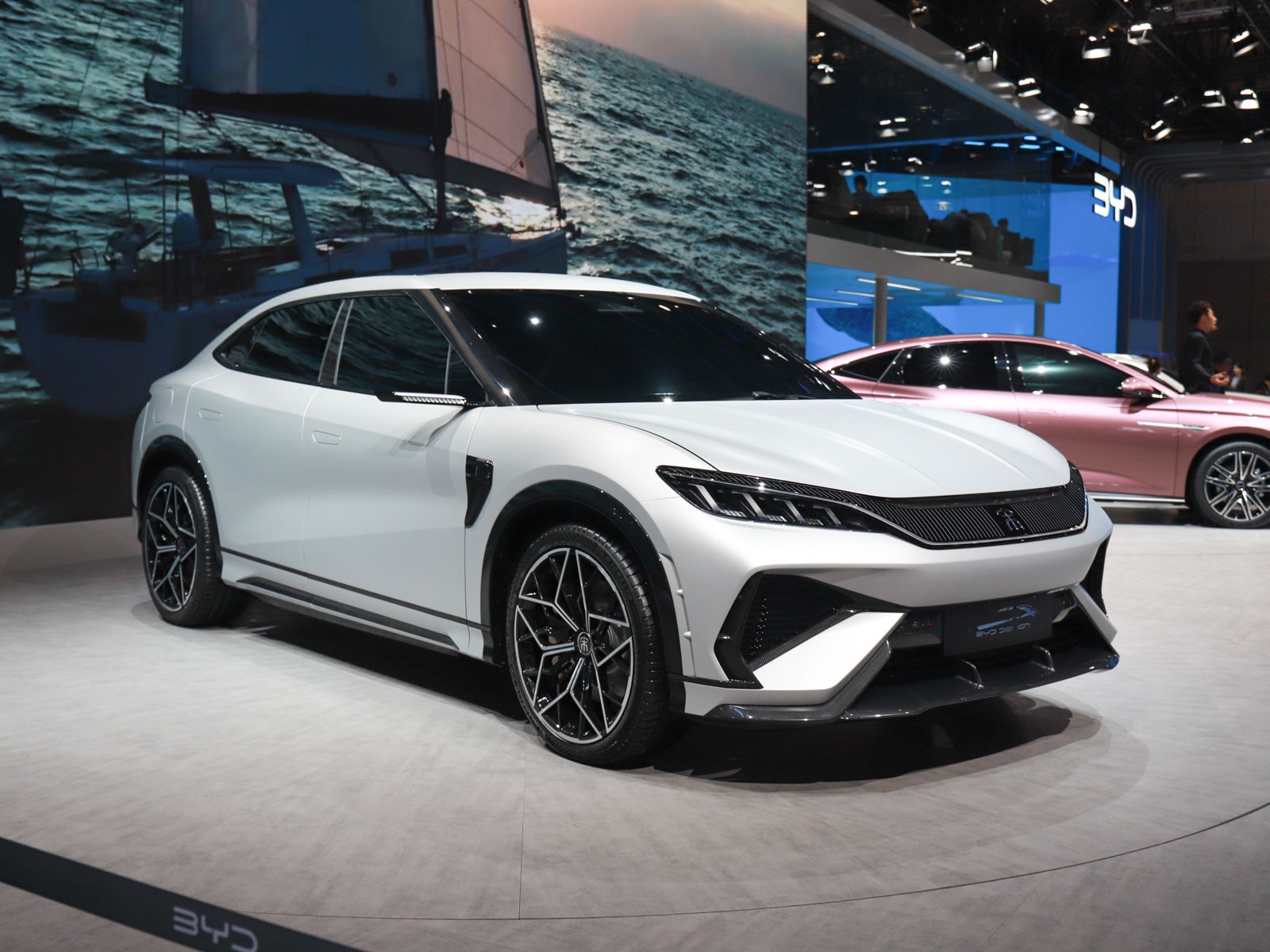
The automotive industry is witnessing a transformative shift towards more sustainable and energy-efficient technologies. Among these advancements, the Plug In Hybrid Electric Vehicle (PHEV) stands out as a pivotal innovation. PHEVs combine the benefits of traditional internal combustion engines with electric propulsion, offering a versatile and eco-friendly driving experience. This article delves into the mechanics, benefits, and future prospects of PHEVs, providing a comprehensive understanding of how these vehicles work and their impact on the automotive landscape.
The Mechanics of High Performance Plug In Hybrid Electric Vehicles
Plug In Hybrid Electric Vehicles are engineered to integrate both an internal combustion engine and an electric motor. This dual-system approach allows PHEVs to operate in various modes, including electric-only, gasoline-only, or a combination of both. The electric motor is powered by a rechargeable battery, which can be charged through an external power source, hence the term "plug-in." This design not only enhances fuel efficiency but also reduces emissions, making PHEVs a crucial component in the transition to greener transportation.
The battery in a PHEV is typically larger than that of a conventional hybrid vehicle, enabling a longer electric-only driving range. When the battery is depleted, the vehicle seamlessly switches to the internal combustion engine, ensuring that the driver is never stranded without power. This flexibility is one of the key advantages of PHEVs, as it combines the reliability of gasoline with the efficiency of electricity.
Battery Technology and Charging Infrastructure
The effectiveness of Plug In Hybrid Electric Vehicle largely depends on its battery technology. Most PHEVs use lithium-ion batteries due to their high energy density and long life span. These batteries can be charged using standard household outlets or dedicated charging stations, which are becoming increasingly common in urban areas. The development of a robust charging infrastructure is essential for the widespread adoption of PHEVs, as it directly impacts the convenience and practicality of using electric vehicles.
In recent years, significant advancements have been made in battery technology, leading to faster charging times and increased energy capacity. These improvements are critical for enhancing the performance and appeal of PHEVs, making them a viable option for a broader range of consumers.
Advantages of Plug In Hybrid Electric Vehicles
Plug In Hybrid Electric Vehicles offer numerous benefits that make them an attractive choice for environmentally conscious consumers. One of the primary advantages is their ability to significantly reduce fuel consumption and emissions. By relying on electric power for short trips and using gasoline for longer journeys, low consumption Plug In Hybrid Electric Vehicles achieve a balance that maximizes efficiency while minimizing environmental impact.
Moreover, PHEVs provide a smoother and quieter driving experience compared to traditional vehicles. The electric motor delivers instant torque, resulting in quick acceleration and a responsive feel. This characteristic is particularly appealing to drivers who value performance and comfort.
Economic and Environmental Impact
From an economic perspective, energy-efficient Plug In Hybrid Electric Vehicles can lead to significant savings on fuel costs. Although the initial purchase price may be higher than that of conventional vehicles, the long-term savings on fuel and maintenance can offset this difference. Additionally, many governments offer incentives and tax credits to encourage the adoption of PHEVs, further enhancing their economic appeal.
Environmentally, smart Plug In Hybrid Electric Vehicle contribute to the reduction of greenhouse gas emissions and air pollution. By decreasing reliance on fossil fuels, these vehicles play a crucial role in combating climate change and promoting cleaner air quality. As more consumers transition to PHEVs, the cumulative environmental benefits become increasingly significant.
Challenges and Considerations
Despite their advantages, Plug In Hybrid Electric Vehicles face several challenges that must be addressed to ensure their widespread adoption. One of the primary concerns is the availability and accessibility of charging infrastructure. While urban areas are seeing a rapid expansion of charging stations, rural and remote regions may still lack the necessary facilities to support PHEVs effectively.
Another consideration is the environmental impact of battery production and disposal. The extraction of raw materials for batteries can have significant ecological consequences, and improper disposal can lead to pollution. Therefore, developing sustainable practices for battery manufacturing and recycling is essential to mitigate these effects.
Consumer Awareness and Education
Educating consumers about the benefits and limitations of PHEVs is crucial for their acceptance and success in the market. Many potential buyers may be unaware of how PHEVs work or the advantages they offer. Providing clear and accessible information can help dispel misconceptions and encourage more consumers to consider PHEVs as a viable option.
Manufacturers and dealerships play a vital role in this educational process. By offering test drives, informational sessions, and detailed explanations of PHEV technology, they can help bridge the knowledge gap and foster greater interest in these vehicles.
The Future of Plug In Hybrid Electric Vehicles
As technology continues to evolve, the future of Plug In Hybrid Electric Vehicle looks promising. Advances in battery technology, charging infrastructure, and vehicle design are expected to enhance the performance and appeal of PHEVs. Additionally, as more countries implement stricter emissions regulations, the demand for cleaner transportation solutions will likely increase, further driving the adoption of PHEVs.
In the coming years, we can expect to see a broader range of PHEV models, catering to diverse consumer preferences and needs. From compact cars to SUVs, the versatility of PHEVs makes them suitable for various applications, ensuring their relevance in the automotive market.
Innovations and Technological Advancements
Innovation is at the heart of the PHEV evolution. Researchers and manufacturers are continually exploring new ways to improve efficiency, reduce costs, and enhance the overall driving experience. Emerging technologies, such as wireless charging and vehicle-to-grid integration, hold the potential to revolutionize how PHEVs are used and perceived.
Moreover, the integration of smart technologies and connectivity features is set to redefine the capabilities of PHEVs. From advanced driver assistance systems to personalized driving modes, these innovations promise to make PHEVs not only more efficient but also more enjoyable to drive.
Conclusion
In conclusion, the Plug In Hybrid Electric Vehicle represents a significant step forward in the quest for sustainable transportation. By combining the best of both electric and gasoline-powered technologies, PHEVs offer a practical and efficient solution for reducing emissions and conserving energy. As the automotive industry continues to innovate and adapt, PHEVs are poised to play a crucial role in shaping the future of mobility.
With ongoing advancements in technology and infrastructure, the potential for PHEVs to become a mainstream choice is increasingly likely. By addressing the challenges and capitalizing on the opportunities presented by this technology, we can pave the way for a cleaner, more sustainable future.
Hybrid Electric Vehicle Advantages of Plug In Hybrid Electric Vehicles High Performance Plug In Hybrid Electric Vehicles effectiveness of Plug In Hybrid Electric Vehicle energy-efficient Plug In Hybrid Electric Vehicle low consumption Plug In Hybrid Electric Vehicles smart Plug In Hybrid Electric Vehicle