

- Home
-
-
Low Voltage Vs. High Voltage: Why Low Voltage Stacked LFP Is The Safer Choice for Homeowners
Views: 0 Author: Site Editor Publish Time: 2026-03-03 Origin: Site
![facebook sharing button]()
![twitter sharing button]()
![line sharing button]()
![wechat sharing button]()
![linkedin sharing button]()
![pinterest sharing button]()
![whatsapp sharing button]()
![kakao sharing button]()
![snapchat sharing button]()
![sharethis sharing button]()
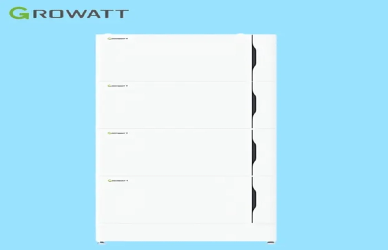
As the adoption of photovoltaic energy storage systems grows, choosing the right voltage for these systems is crucial for ensuring both efficiency and safety. Homeowners are increasingly turning to lithium iron phosphate (LFP) batteries for their energy storage needs, but the decision between low voltage and high voltage systems can significantly impact safety and overall system performance. While high voltage systems may offer higher power capacity, low voltage stacked LFP batteries are the safer option for residential use. These systems reduce the risk of electrical hazards, overheating, and fire dangers, making them a more reliable and safer choice for homeowners looking to store solar energy. Low voltage LFP systems combine safety with performance, ensuring a secure, efficient energy solution for the home.
Understanding Low Voltage and High Voltage Systems
1.Definition of Low Voltage vs. High Voltage in Energy Storage Systems
Low voltage systems typically operate under 600V, often around 48V, and are used in residential applications, where safety and ease of installation are key.
High voltage systems operate above 600V and are suited for larger commercial or industrial setups that require high energy capacity and efficiency.2.Differences in Their Setup, Performance, and Applications in Photovoltaic Energy Systems
Setup and Installation:
Low Voltage systems are easier to install, safer, and require less complex equipment, making them ideal for residential use.
High Voltage systems need advanced equipment, professional installation, and are typically used in larger commercial spaces.
Performance:
Low Voltage systems are ideal for smaller energy needs in homes, offering reliable storage for typical residential solar setups.
High Voltage systems are more efficient, handling higher energy demands with less energy loss, making them suitable for large-scale commercial systems.
Applications:
Low Voltage systems are perfect for residential photovoltaic setups, ensuring safety and cost-effectiveness.
High Voltage systems are used in larger commercial installations, where high energy storage capacity and efficiency are necessary.
The Safety Benefits of Low Voltage Stacked LFP Batteries
1.Why Low Voltage is Inherently Safer for Home Use
Low voltage systems are inherently safer for home use because they operate at a lower electrical potential (usually below 600V), reducing the risks associated with high-energy systems. Lower voltage minimizes the potential for dangerous electrical shocks or other hazards during installation and maintenance. These systems are easier to handle and require less stringent safety measures, making them ideal for residential energy storage applications. With lower voltage, users can install and operate the system with fewer concerns about electrical accidents or fire risks.
2.The Lower Risk of Overheating, Electrical Shocks, and Fire Hazards in Low Voltage Systems
Overheating:
Low voltage systems generate less heat compared to high voltage setups. Since they operate at lower power levels, the risk of thermal runaway (overheating and potential fire) is significantly reduced. The batteries remain at a safer operating temperature, contributing to their overall safety and longevity.Electrical Shocks:
The lower voltage levels in these systems decrease the risk of electrical shocks during installation, use, or maintenance. For homeowners, this is particularly important as it makes the system safer to work with, especially for DIY installations or simple maintenance tasks.Fire Hazards:
Low voltage LFP (lithium iron phosphate) batteries are more stable than other lithium-ion chemistries. The inherent stability of LFP combined with low voltage reduces the risk of fires or explosions. LFP’s thermal stability ensures the batteries are less likely to catch fire even if they’re subjected to physical damage or extreme conditions, offering peace of mind to homeowners.Efficiency and Performance Considerations
1.How Low Voltage Systems Can Provide High Efficiency Without the Risks Associated with High Voltage Setups
Low voltage systems can still offer high efficiency while avoiding the risks associated with high voltage setups. Despite operating at a lower voltage, advancements in battery technology and energy management have allowed low voltage systems to achieve comparable performance to high voltage systems. These systems use efficient inverters and advanced charge controllers to maximize energy conversion and minimize losses during storage and discharge.
Additionally, low voltage systems are less prone to energy loss during the conversion process, as their components are optimized for low-energy use. This ensures that the energy stored in the system is efficiently utilized, making low voltage systems a reliable, cost-effective solution for homeowners who want to store solar energy without the complex infrastructure or safety concerns of high voltage systems.
2.The Role of Stacked LFP Technology in Enhancing Performance While Keeping Voltage Levels Low
Stacked LFP (lithium iron phosphate) technology plays a significant role in improving performance while maintaining low voltage. By stacking multiple battery cells, LFP technology can increase the energy density within the same physical footprint, allowing for high-capacity storage without requiring higher voltages. This means homeowners can store more energy without needing to increase voltage levels, ensuring safety and efficiency in a compact design.
Moreover, LFP technology offers superior thermal stability and long cycle life, which translates to better overall performance over time. The stacked design also helps in even energy distribution across the modules, ensuring that the system performs efficiently without unnecessary wear or overheating, further enhancing long-term efficiency.
Cost and Maintenance of Low Voltage Stacked LFP Systems
1.Lower Installation and Maintenance Costs Associated with Low Voltage Systems
Low voltage systems offer significant cost savings in both installation and maintenance compared to high voltage setups. Since low voltage systems operate at safer, lower power levels, they require simpler wiring, fewer safety protocols, and less specialized equipment, which reduces installation costs. Homeowners or installers don’t need to worry about complex, expensive components, making the initial setup more affordable.
Additionally, maintenance costs are lower for low voltage systems. Because of their simpler design and lower risk of failure, maintenance is less frequent and less costly. The low voltage components are more readily available and less expensive to replace or repair, further reducing ongoing costs. This makes low voltage systems a cost-effective choice for homeowners looking for reliable, long-term energy storage solutions.
2.How Lower Voltage Systems Reduce Wear and Tear, Leading to Longer Battery Lifespan
Lower voltage systems reduce the overall stress on the battery components, which helps minimize wear and tear over time. Higher voltage systems tend to generate more heat and electrical strain, leading to faster degradation of battery cells and components. In contrast, low voltage systems operate with less thermal stress, which slows down capacity fade and reduces the likelihood of overheating.
Additionally, the modular nature of stacked LFP technology means that energy is distributed more evenly across the battery cells, further preventing excessive wear. The stable chemistry of LFP batteries also contributes to a longer cycle life, often exceeding 6,000 cycles, without significant performance degradation. As a result, low voltage systems tend to last longer and require fewer replacements, offering savings over time by reducing the frequency of battery replacements and maintenance tasks.
Real-World Applications: Low Voltage LFP in Residential Photovoltaic Systems
1.Examples of Residential Photovoltaic Energy Systems Using Low Voltage Stacked LFP Batteries
Tesla Powerwall
Tesla’s Powerwall uses low voltage stacked LFP batteries to store solar energy, offering homeowners reliable power during the night or power outages. Its modular design makes it easy to scale as energy needs grow.SonnenBatterie
Sonnen integrates low voltage LFP batteries in its SonnenBatterie systems, allowing homeowners to store solar energy and manage consumption through intelligent software. Its modularity also supports easy system expansion.Enphase Storage System
Enphase Energy offers modular, low voltage LFP storage solutions for homes, providing reliable, scalable energy storage. These systems can be easily expanded to meet growing energy needs.2.How Homeowners Benefit from Reliable, Safe, and Scalable Energy Storage
Reliability:
Low voltage LFP systems provide consistent energy over 6,000+ cycles, ensuring reliable solar power storage for homes.Safety:
Operating at low voltage, these systems minimize the risk of overheating, electrical shocks, and fire hazards, making them safer for residential use.Scalability:
These systems allow homeowners to easily expand storage by adding more modules as their energy needs increase, offering flexibility for future growth.Cost-Effectiveness:
Low voltage systems offer lower installation and maintenance costs while reducing the need for frequent replacements, making them a more affordable long-term solution.FAQ
1.What is the difference between low voltage and high voltage energy storage systems?
Low voltage systems operate at safer, lower power levels, while high voltage systems deliver more power but come with higher risks and more complex safety protocols.
2.How does low voltage stacked LFP improve safety?
Low voltage systems reduce the likelihood of electrical shocks, overheating, and fire hazards, making them a safer option for home energy storage.
3.Are low voltage systems less efficient than high voltage systems?
No, low voltage systems can still deliver high efficiency while avoiding the risks associated with high voltage setups, making them a balanced choice for homeowners.
4.What are the long-term benefits of choosing a low voltage system?
Low voltage systems offer lower installation and maintenance costs, reduced wear and tear, and longer battery life, providing a more sustainable solution for home energy storage.
Conclusion
To summarize, low voltage stacked LFP batteries offer homeowners key benefits in terms of safety, cost-effectiveness, and reliable performance. These systems operate at lower voltage levels, minimizing the risks of overheating, electrical shocks, and fire hazards, which makes them an inherently safer choice for residential energy storage. The cost-effectiveness of these systems is evident through reduced installation and maintenance costs, alongside a long lifespan that lowers replacement frequency. Moreover, the modular design provides homeowners with the flexibility to expand storage capacity as needed, ensuring future scalability. With these advantages, low voltage stacked LFP systems are the preferred solution for homeowners looking for a secure, affordable, and efficient way to store solar energy.


