

- Home
-
-
Maximizing Small Spaces: The Top Advantages of Modular Stacked Lithium Battery Systems
Views: 0 Author: Site Editor Publish Time: 2026-03-02 Origin: Site
![facebook sharing button]()
![twitter sharing button]()
![line sharing button]()
![wechat sharing button]()
![linkedin sharing button]()
![pinterest sharing button]()
![whatsapp sharing button]()
![kakao sharing button]()
![snapchat sharing button]()
![sharethis sharing button]()
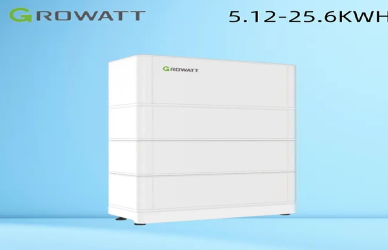
As the demand for renewable energy solutions increases, particularly in photovoltaic energy systems, the need for efficient energy storage in small residential and commercial spaces is becoming more critical. Traditional energy storage systems can be bulky and take up valuable space, which is a challenge for homeowners and businesses with limited room for large equipment. Modular stacked lithium battery systems offer a practical solution by allowing users to store more energy in compact spaces. These systems are designed to maximize space efficiency while providing powerful, scalable energy storage that can grow with increasing energy needs. By stacking individual battery units, modular systems offer flexibility, scalability, and optimal use of space, making them ideal for modern energy storage in both residential and commercial environments.
What are Modular Stacked Lithium Battery Systems?
1.Definition and Structure of Modular Stacked Lithium Battery Systems
Modular stacked lithium battery systems are a type of energy storage solution designed to store and manage energy in modular, stackable units. These systems consist of multiple individual lithium-ion battery modules that are stacked vertically or horizontally to form a larger, more powerful storage system. The modular design allows for the easy addition or removal of battery modules, enabling users to customize the system’s capacity based on their energy storage needs. The modular approach enhances the flexibility, scalability, and space efficiency of the system, making it ideal for both residential and commercial photovoltaic energy storage applications.
2.How They Differ from Traditional Battery Setups
Space Efficiency:
Traditional battery setups often require a large, single battery unit to store energy, which can take up significant floor or wall space. In contrast, modular stacked lithium battery systems can be stacked vertically, allowing them to fit into tight spaces, making them more suitable for homes or businesses with limited room.Scalability:
Unlike traditional setups, which may require a complete system upgrade when more energy storage is needed, modular systems allow for easy scalability. Users can start with a small capacity and add more modules over time as their energy demands grow, offering greater flexibility and cost-effectiveness.Customization:
Traditional battery systems often come as a one-size-fits-all unit, whereas modular systems allow for customization of the storage capacity, voltage, and power output based on specific needs. This means users can build a system that best suits their requirements without overpaying for unnecessary capacity.Simpler Maintenance and Replacement:
With modular stacked systems, individual battery modules can be replaced or serviced without needing to replace the entire system. This reduces maintenance costs and downtime, whereas traditional systems typically require full replacements when issues arise.Space Efficiency: Maximizing Energy Storage in Small Areas
1.How Modular Stacked Designs Make Efficient Use of Limited Space
Modular stacked designs are specifically engineered to optimize space in environments where every square inch matters, such as small residential or commercial spaces. Instead of relying on bulky, single-unit battery systems that require large areas for installation, modular stacked systems stack individual battery modules vertically or horizontally, significantly reducing their overall footprint. This arrangement allows for a much more compact installation while still providing high-capacity storage.
The modular nature of these designs means that the batteries can be configured to fit into narrow or underutilized spaces, such as closets, utility rooms, or small basements, maximizing the storage capacity without compromising on available floor space. Additionally, the modular approach allows for flexibility in design, so users can optimize the storage setup to best suit their available area.
2.The Benefits of Stacking Technology in Fitting High-Capacity Systems into Compact Environments
Optimized Vertical Space:
Stacking technology allows for vertical stacking, which is ideal for smaller spaces where horizontal space is limited. By stacking the batteries upwards, users can fit a high-capacity system in tight, vertical spaces, such as against walls or in small corners.Efficient Utilization of Limited Footprint:
Traditional large batteries can take up significant floor area, but stacking modules together allows for a smaller overall footprint while still offering substantial storage capacity. This efficiency makes it possible to store large amounts of solar energy in confined spaces without needing a vast installation area.Customizable Storage Solutions:
With modular stacked systems, users can scale their storage capacity according to the available space. If more storage is needed, additional stacked modules can be added vertically or horizontally, maximizing available space. This flexibility makes it easy to grow the system as energy needs increase, without requiring a complete system overhaul.Simpler Installation and Integration:
The modular design also allows for simpler and more flexible installation in environments with unique space constraints. Modular units can be easily moved or reconfigured, making them ideal for space-conscious environments or when installing additional units in the future.Scalability: Flexible Storage Solutions for Growing Energy Needs
1.How Modular Systems Allow for Easy Expansion
One of the standout features of modular stacked lithium battery systems is their scalability, allowing users to easily expand their energy storage capacity as needs evolve. Modular systems consist of individual, stackable battery units that can be added or removed based on the user’s changing requirements. This flexible design allows users to start with a smaller system and expand it gradually as energy storage needs grow, without the need for a complete overhaul of the entire system. The modular approach ensures that users only pay for the storage capacity they need at any given time, providing both initial cost efficiency and future flexibility.
2.Adapting the Storage Capacity as Energy Demands Increase Over Time
As energy consumption rises due to factors like increased use of solar power, electrical appliances, or home expansion, the energy storage needs may also grow. Modular systems cater to this need by enabling users to add extra modules as required. Whether for residential homes that add more solar panels or businesses that expand their operations, these systems provide a simple, cost-effective way to increase capacity without major infrastructure changes.
The process of expanding the system involves stacking additional battery modules or connecting new units to the existing setup. This scalable nature ensures that the battery system remains relevant and adaptable over time, offering a solution for both short-term and long-term storage needs.
Furthermore, many modular systems are designed with intelligent software that can manage and distribute power efficiently as the system scales, ensuring that the added capacity integrates seamlessly with existing components and continues to meet performance expectations.
Cost-Effectiveness: Optimizing Storage Without Breaking the Budget
1.The Cost Benefits of Modular Design, Including Reducing Initial Investment and Allowing for Gradual Expansion
Modular stacked lithium battery systems offer significant cost benefits by reducing initial investment. Instead of paying for a large, high-capacity unit upfront, users can start with a smaller, more affordable setup and expand as energy needs grow. This allows for a gradual investment, avoiding overpayment for unused capacity. The flexibility of pay-as-you-go makes modular systems more budget-friendly and accessible for both homeowners and businesses.
2.How These Systems Lower Operational Costs in the Long Term
Energy Efficiency:
Modular systems improve energy management, reducing electricity bills by optimizing solar energy storage and minimizing grid dependency.Low Maintenance:
Thanks to durability and reliability, modular systems have low maintenance costs. Only individual modules are replaced as needed, saving on long-term expenses.Extended Battery Life:
With longer cycle life (6,000+ cycles), modular systems reduce the need for frequent replacements, providing significant savings over time.Scalability Reduces Waste:
The modular design allows for incremental expansion, preventing unnecessary expenses by investing only in needed capacity.Increased Efficiency and Safety in Compact Energy Storage Systems
1.The Role of Advanced Lithium Battery Technology in Enhancing Efficiency and Safety
Advanced lithium battery technology enhances both efficiency and safety. The high energy density of lithium-ion batteries allows them to store more power in compact spaces. Energy management systems optimize charge/discharge cycles, minimizing energy loss and maximizing storage efficiency.
On the safety side, LFP batteries offer superior thermal stability compared to traditional lithium-ion batteries. With better resistance to overheating and thermal runaway, these batteries are safer for residential and commercial use. Advanced battery management systems (BMS) further ensure safe operation by maintaining optimal temperature levels.
2.Why Modular Systems Are Safer and More Reliable for Residential and Commercial Installations
Improved Thermal Management:
Modular systems optimize cooling across units, reducing the risk of overheating and enhancing battery life.Individual Module Monitoring:
Each module is monitored separately, allowing for real-time tracking and early detection of issues, improving reliability.Simplified Maintenance and Replacement:
With individual modules easily replaced, maintenance is safer and more efficient, minimizing risks and downtime.Scalability and Flexibility:
Modular systems allow for customized energy storage, preventing overloading and ensuring safety for residential or commercial setups.FAQ
1.What is the difference between modular stacked lithium battery systems and traditional battery setups?
Modular stacked systems are designed to be compact and scalable, allowing for easy expansion and better space utilization compared to traditional systems.
2.How do modular systems help homeowners with limited space?
By stacking multiple battery units vertically, modular systems maximize energy storage in confined areas, ideal for homes with limited room for large batteries.
3.Can modular stacked systems be expanded over time?
Yes, modular systems are highly flexible, allowing users to add more units as their energy storage needs grow without replacing the entire system.
4.Are modular stacked lithium battery systems safe for residential use?
Yes, they are equipped with advanced safety features, including thermal management and battery monitoring systems, to ensure reliability and safety in small spaces.
Conclusion
In conclusion, modular stacked lithium battery systems offer key advantages for maximizing small spaces, enabling high-capacity energy storage in compact environments. By using a stackable design, these systems make the most efficient use of limited space, allowing users to store more energy in smaller areas without compromising on performance. Additionally, the scalability of these systems means they can easily expand as energy needs grow, offering a reliable, cost-effective, and flexible solution for both residential and commercial users. With their long lifespan, low maintenance requirements, and ability to adapt to evolving energy demands, modular systems are well-positioned to shape the future of energy storage, making them an ideal choice for modern, space-conscious environments.


