- Home
-
-
Residential Solar Inverter Solutions For Home Energy Independence
Views: 0 Author: Site Editor Publish Time: 2026-05-18 Origin: Site
![facebook sharing button]()
![twitter sharing button]()
![line sharing button]()
![wechat sharing button]()
![linkedin sharing button]()
![pinterest sharing button]()
![whatsapp sharing button]()
![kakao sharing button]()
![snapchat sharing button]()
![sharethis sharing button]()
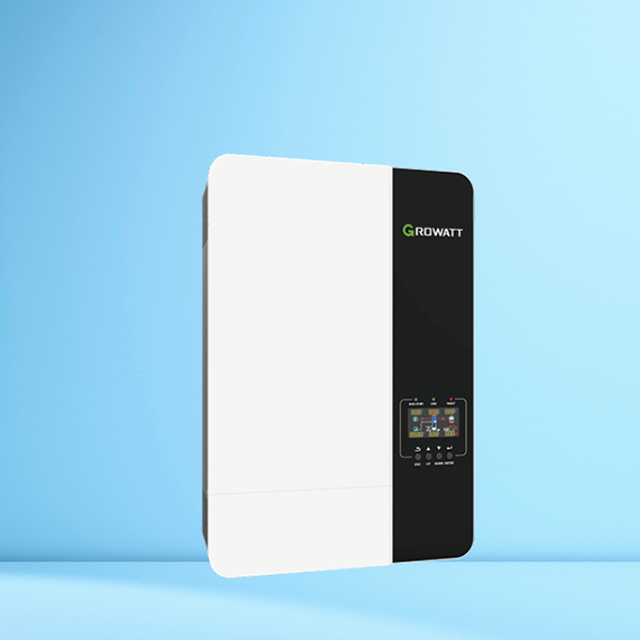
Many assume solar panels alone keep the lights on during blackouts. They do not. True resilience relies entirely on your system's brain. We call this central component the residential solar inverter. Today, homeowners face rapidly changing grid conditions. People are shifting away from simple setups designed solely for bill reduction. They want resilient microgrids instead.
We see this urgent need during Texas winter freezes. We observe it during Florida hurricane seasons. California utility grid shutoffs also prove this pressing point. You need much more than basic energy generation to achieve true home energy independence. Buyers must evaluate hardware differently now. You must look far beyond simple solar conversion efficiency. Your evaluation must include battery compatibility. You must assess grid-isolation capabilities. Future-proof scalability is equally vital. We will show you exactly how to evaluate these modern systems. You will learn to choose the right architecture. This choice ensures lasting security for your family.
Key Takeaways
The Inverter Dictates Resilience: A standard grid-tied inverter shuts down during a blackout; achieving independence requires hybrid or specialized off-grid architectures.
Compatibility is a Financial Moat: Selecting a "battery agnostic" or universally compatible residential PV inverter prevents vendor lock-in when adding storage later.
Sizing Requires Margin: Future-proofing means accounting for DC oversizing (often up to 150-200%) and evaluating generator integration capabilities.
Why the Solar Inverter is the Command Center of Home Energy Independence
Most people discover the grid-tied vulnerability too late. Standard solar panels automatically disconnect during grid failures. Anti-islanding safety requirements mandate this sudden shutdown. This feature protects utility workers repairing local power lines. However, this safety measure leaves you completely in the dark. Your expensive panels sit idle on your roof.
You do not have to live in the woods to be independent. Modern energy control means mastering your home power flow. It involves managing generation actively. You dispatch battery storage on your own schedule. You reduce grid reliance on your terms. A smart solar inverter makes these split-second decisions constantly. It routes solar energy to your home loads first. It sends excess power to your batteries next. Finally, it exports remaining energy to the grid.
Regional realities dictate your specific hardware needs. Localized threats vary widely across different climates. Peak-hour rate spikes demand smart load shifting. You draw from batteries when utility rates hit their peak. Multi-day storm outages require seamless grid decoupling. Your system must form an independent microgrid instantly. Intelligent load management helps you survive both scenarios comfortably. You gain peace of mind during chaotic weather events.
![Residential Solar Inverter Architecture and Off-Grid System]()
Evaluating Residential PV Inverter Architectures: Which Solves Your Core Problem?
Let us compare the three main market options. We need to find what solves your specific energy challenge. Each architecture serves a very distinct purpose.
String Inverters (Grid-Tied)
These centralized units handle power for your entire roof. They connect a series of solar panels into one continuous circuit.
Best for: Pure return on investment. They work exceptionally well via net metering in stable grid areas.
Limitation: You get zero energy security during blackouts. You would need expensive AC-coupled retrofits to add batteries later.
Microinverters
Installers mount these tiny units under each individual solar panel. They convert direct current to alternating current right on your roof.
Best for: Complex roofs facing heavy shading issues. They allow modular panel-by-panel scaling easily.
Limitation: They cost significantly more upfront. They also add severe complexity when you integrate whole-home battery backup later.
Hybrid Inverters (The Backup Standard)
These dynamic units represent the ultimate standard for modern resilience. High-conviction buyers choose them for immediate grid independence.
Best for: Homeowners wanting immediate or future energy autonomy. They handle complex power routing effortlessly.
Advantage: They manage inputs from solar, grid, and batteries simultaneously. You eliminate the need for a separate battery hardware unit.
Architecture Comparison Chart
Architecture Type
Outage Resilience
Storage Integration
Best Use Case
String Inverter
None (Shuts down completely)
Requires separate equipment
Stable grids, budget-focused installs
Microinverter
None (Unless paired specially)
AC-coupled only
Heavily shaded or complex roofs
Hybrid Inverter
High (Seamless instant transition)
Native DC-coupled support
True resilient energy independence
5 Decision-Stage Criteria for Choosing a Residential Solar Inverter
Let us explore five critical decision factors. These technical elements determine if your hardware truly supports your long-term goals.
1. Battery Agnostic vs. Closed Ecosystem
Evaluate your battery options carefully. Some hardware brands lock you into proprietary batteries. You must buy their specific storage units at their prices. Others support open 48V battery architectures. Open systems provide massive consumer leverage. They protect you against future lithium-ion price fluctuations. You can choose entirely different battery brands later. A universal residential PV inverter prevents painful vendor lock-in. You retain total purchasing freedom.
2. AC/DC Coupling Flexibility
You must understand basic coupling methods. DC-coupled systems minimize daily efficiency loss. They keep generated power in direct current format before storage. This works perfectly for new home builds. AC-coupling involves multiple complex conversion steps. Power changes from DC to AC and back again repeatedly. You lose some valuable energy during this process. However, look for robust AC-coupling capabilities if you retrofit an existing setup.
3. Dedicated Generator Pass-Through
True off-grid security requires native generator integration. Solar panels alone cannot survive weeks of heavy winter snow. Your setup must handle standby generators smoothly. It should allow simultaneous home powering and rapid battery charging. This intelligent approach drastically reduces fuel burn. The generator runs at optimal load for a short time. It shuts off entirely once batteries reach full charge.
4. MPPT Channels and DC Oversizing
Assess the Maximum Power Point Tracking (MPPT) limits. Multiple MPPT channels handle panels facing different roof directions. A high-quality unit allows safe DC oversizing. You might size the panel array at 130% of the AC output rating. Experienced installers often push this limit to 150%. This strategy maximizes daily energy harvesting. It proves crucial during low-light winter days. The extra panels capture more scattered sunlight efficiently.
5. Sub-Panel vs. Whole-Home Backup (Peak Output)
Consider peak continuous output ratings carefully. Differentiate between basic backup and heavy-duty whole-home backup. Some units only support a dedicated critical loads panel. They offer around 5kW of continuous output. This small amount runs your fridge, lights, and internet router. Heavy-duty units provide 12kW to 15kW output natively. These robust units handle true whole-home backup. They easily start large HVAC compressors. They power deep well pumps without tripping breakers.
Scalability, Implementation Risks, and Rollout Realities
Planning for today is never enough. You must anticipate future household power demands. Let us examine common rollout realities and installation risks.
Parallel Scaling for Growing Power Needs
A single unit rarely supports a sprawling estate forever. Ensure your chosen hardware allows parallel operation. Paralleling means stacking multiple units together physically and digitally. They communicate constantly and operate as one massive brain. You might need to stack two or three units over time. You want room to grow easily. Your capacity can expand from 8kW to 30kW+. This proves essential as electric vehicle (EV) charging needs increase.
Best Practices for System Scaling
Plan your future EV charging purchases now.
Leave physical wall space open for additional hardware.
Upgrade your home internet mesh network for stable monitoring.
Main Panel Upgrade (MPU) Avoidance
Main panel upgrades are notoriously frustrating projects. They trigger prolonged utility permitting delays. They often add thousands to your final installation bill. Certain high-efficiency hybrid units bypass this hurdle entirely. They avoid the need for a costly 200A main panel upgrade. They manage household loads intelligently at the meter level. This smart capability accelerates installation timelines. It reduces frustrating soft costs dramatically.
Environmental Ratings and Placement (NEMA/IP)
Hardware placement dictates your entire system lifespan. Warn your installer against placing indoor-rated hardware outside. Pay close attention to standard environmental ratings. You need extremely high ingress protection. Look specifically for IP65+ or NEMA 4X certifications. Tough climates destroy weak hardware quickly. Coastal salt spray corrodes exposed internal connections. Desert dust ruins basic cooling fans. High-temperature environments demand rugged, fanless cooling designs. Proper environmental ratings ensure decades of reliable performance.
Shortlisting Brands: Navigating Ecosystems and Warranties
Glossy spec sheets only tell half the story. You must evaluate the actual company standing behind the hardware.
Assessing Manufacturer Pedigree
Move far beyond basic technical specifications. Evaluate local support infrastructure first. Ask your installers about their direct support line experiences. Do they wait hours on hold during crucial installations? Integrator familiarity is also incredibly crucial. Installers do a much better job utilizing familiar equipment. Check their firmware update frequency as well. Frequent updates mean the manufacturer actively fixes software bugs remotely.
Ecosystem vs. Component Integration
Think deeply about your ideal system architecture style. You can choose rigid all-in-one ecosystems. You can also build flexible modular component systems. Each approach carries distinct operational tradeoffs. Established players like a GROWATT inverter provide an excellent middle ground. They offer extensive storage integration options. They deliver highly reliable monitoring software. Their smartphone apps give you granular control over time-of-use settings.
Warranty Traps to Avoid
Scrutinize all warranty terms deeply. Do not accept a blanket "ten-year warranty" verbal statement. Differentiate clearly between varying component coverages. The main unit warranty typically lasts 10 to 12 years. The battery carries a separate throughput or cycle warranty. Understand what specific actions void these protections immediately. Improper installation environments often void manufacturer guarantees. Read the fine print carefully before signing any binding contract.
Conclusion
Your chosen inverter acts as the decisive factor for your property. It determines your true grid resilience comprehensively. It dictates whether your home merely generates raw power or actively controls it. You cannot achieve true independence using standard grid-tied equipment.
You must take actionable steps right now. Conduct a precise critical-load audit at home. Calculate your continuous wattage needs carefully. Add up your heavy surge wattage requirements. Complete this math before requesting any targeted quotes. Contact certified local installers armed with these specific numbers.
Take full charge of your initial consultation. Ask installers specifically about DC oversizing limits. Inquire deeply about hybrid capabilities and future parallel scaling. Demand high-quality hardware securing your energy future today.
FAQ
Q: Can I achieve home energy independence with my existing string inverter?
A: Yes, you can achieve this through AC-coupling a battery system to your current setup. However, upgrading to a dedicated hybrid model is often much more efficient. A hybrid unit provides better centralized control. It minimizes daily conversion losses. It streamlines your home energy network significantly.
Q: Does a bigger residential PV inverter mean more power during an outage?
A: Not necessarily. Outage power depends entirely on two specific factors. It relies on the unit's continuous AC output rating. It also depends on your battery bank's maximum discharge capacity. A massive solar array alone will not increase your available power during a midnight blackout.
Q: Are hybrid inverters worth the premium over standard solar inverters?
A: Yes, they offer incredible value for specific buyers. Buyers prioritizing outage resilience find the premium highly justified. They also enable lucrative peak-rate arbitrage. You use stored battery power when grid electricity is most expensive. The long-term utility value easily justifies the initial hardware upgrade cost.