

- Home
-
-
Solar Panel Installation: Technical Standards And Best Practices
Views: 0 Author: Site Editor Publish Time: 2026-06-10 Origin: Site
![facebook sharing button]()
![twitter sharing button]()
![line sharing button]()
![wechat sharing button]()
![linkedin sharing button]()
![pinterest sharing button]()
![whatsapp sharing button]()
![kakao sharing button]()
![snapchat sharing button]()
![sharethis sharing button]()
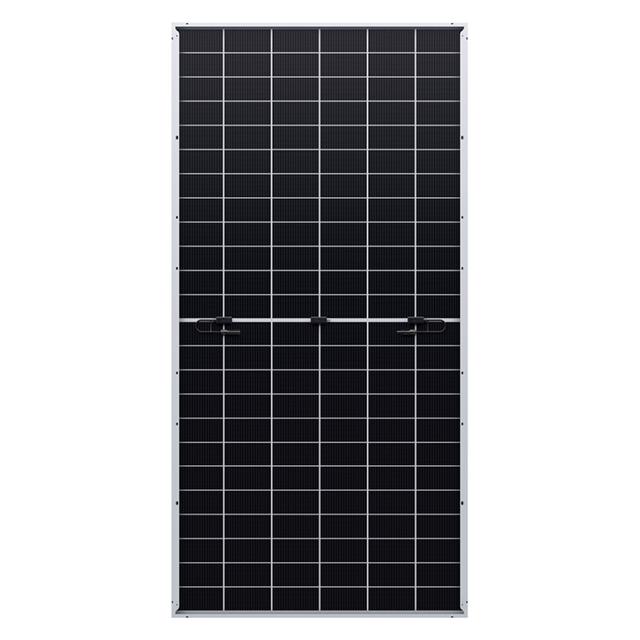
Proper installation is the critical determinant of whether a solar energy system delivers its promised energy yield or underperforms expectations within a few years of operation. Even the highest-quality solar modules—manufactured to exacting standards with PERC cell technology and backed by 30-year warranties—can suffer significant power losses, structural damage, or safety hazards when installed without adherence to established technical standards and industry best practices. For project developers, installation contractors, and property owners, understanding the complete installation process from site assessment through commissioning is essential for protecting investments and maximizing system returns over a 25 to 30 year operational lifetime.
This guide covers the complete solar panel installation workflow, examining structural requirements, electrical configuration, safety protocols, and regulatory compliance across residential, commercial, and utility-scale applications. Each phase of the installation process carries implications for system performance, warranty validity, and long-term operational reliability. A system installed without proper engineering foundations may appear functional at startup but can degrade rapidly, create safety hazards, or fail catastrophically during severe weather events.
![Solar Modules]()
What Is Solar Panel Installation
Solar panel installation encompasses all activities required to physically mount photovoltaic modules, connect electrical components, and integrate the solar system with the building electrical network or grid connection point. It transforms individually rated components—modules, inverters, mounting hardware, wiring, and monitoring systems—into a coordinated, operational energy system that converts sunlight into usable electrical power.
The installation process involves structural engineering to support module arrays, electrical engineering to design string configurations and inverter sizing, coordination with utility providers for grid interconnection, and adherence to local building codes and electrical standards. Professional installation ensures that all components function as an integrated system and that the installation meets safety, performance, and regulatory requirements that protect both the system owner and the public.
grid-connected solar systems ranging from 3 kW to 20 kW are among the most commonly installed configurations for residential and small commercial applications, representing the majority of rooftop solar deployments globally. Larger systems require progressively more sophisticated engineering, permitting, and construction practices.
Types of Solar Panel Installation Systems
Different mounting systems address the structural characteristics and energy requirements of various installation contexts. Selecting the appropriate mounting system is one of the most consequential decisions in solar installation, directly affecting system cost, performance, longevity, and safety.
Rooftop Mounting Systems
Rooftop installations represent the most common deployment scenario for residential and commercial solar systems globally. The specific mounting approach depends on the roof type, pitch angle, structural condition, and aesthetic requirements of the installation.
Penetrating Mounts use lag bolts or structural screws that penetrate the roof deck and engage rafters or trusses with sufficient withdrawal resistance to resist design wind uplift loads. These systems provide the highest load capacity and are suitable for virtually all roof types including composition shingle, tile, slate, and metal roofing. Proper flashing and sealing at every roof penetration is essential to prevent water intrusion—the single most common cause of solar-related roof leaks. Installers apply butyl tape or rubber gasket sealants beneath flashing materials and install lag bolts through predrilled holes to create watertight seals.
Ballasted Mounts rely on the weight of concrete blocks or steel frames to resist wind uplift forces without penetrating the roof membrane. These systems are preferred for single-ply membrane roofs (EPDM, TPO, PVC) where roof penetration risks puncturing the waterproofing layer and voiding roof warranties. Ballast requirements vary by wind exposure zone, roof height, building geometry, and roof dead load capacity. Structural engineering verification is required to confirm that the building structure can support the combined weight of modules, mounting, and ballast without overload.
Standing Seam Clamp Systems utilize proprietary clamps that engage the raised seam of metal standing seam roofs without penetrating the roof surface. These systems preserve roof warranties, eliminate leak risks at attachment points, and enable rapid installation. Clamp selection must match the specific standing seam profile, rib height, and material of the target roof—mismatched clamps can slip or fail under wind loads.
Ground-Mounted Systems
Ground-mounted solar arrays are preferred for large-scale installations where land availability is not constrained and maximum energy yield is the primary objective. Ground-mounted systems offer complete design freedom in terms of tilt angle, orientation, and row spacing, enabling optimization for the specific site's latitude and energy production requirements.
Ground screws or helical piles are screwed or driven into the soil to predetermined depth and torque capacity, providing foundation support with minimal site disturbance. Concrete foundations use cast-in-place footings or precast concrete piers for installations in weak soil conditions where pile foundations are impractical. Single-axis tracker systems use motorized torque tube structures that rotate panels throughout the day to follow the sun's apparent motion, increasing energy yield by 20% to 35% compared to fixed-tilt installations.
Pole-mounted systems serve smaller installations where elevated positioning provides shading benefits, improved aesthetics, or protection from ground-level flooding and vegetation encroachment. These systems are common for solar water pumping applications, remote telecommunications power, and security lighting installations.
Building-Integrated Photovoltaic Systems
Building-integrated photovoltaic (BIPV) systems replace conventional building envelope materials with solar-active alternatives that serve dual functions as building materials and power generators. BIPV products include standing seam metal roofing panels with integrated solar cells, photovoltaic glass curtain walls, solar skylights, and solar shading elements that generate power while providing solar control for building facades.
These installations require close coordination between architects, structural engineers, electrical contractors, and building officials from the earliest design stages. BIPV must satisfy both building code requirements (structural integrity, fire ratings, weather resistance) and electrical code requirements, creating complex compliance challenges that demand specialized expertise.
Core Benefits of Professional Solar Panel Installation
Proper installation delivers measurable performance advantages and risk mitigation that justify investment in qualified installation professionals. The cost premium for professional installation—typically $0.50 to $1.00 per watt compared to DIY approaches—pays for itself many times over through preserved warranties, optimized energy production, and eliminated safety risks.
Optimized Energy Yield
Professional installation maximizes energy harvest through precise orientation matching the site's latitude, optimal tilt angle selection that balances seasonal production, and thorough shading analysis that identifies and mitigates obstructions throughout the year. String layout design accounts for partial shading scenarios, and module-level power electronics that mitigate mismatch losses are specified where appropriate. Professional installation with proper azimuth, tilt, and inverter configuration typically achieves 95% to 98% of theoretical energy production potential, while DIY installations commonly achieve only 70% to 85%.
System Safety and Code Compliance
Electrical fires and structural failures represent the primary safety risks in solar installations. According to data from insurance industry studies, improperly installed solar systems experience fire rates significantly higher than professionally installed systems. Professional installers ensure that electrical connections meet NEC or IEC wiring standards, that grounding systems provide low-impedance fault current paths, and that structural mounting systems withstand design wind and snow loads with adequate safety factors.
Code compliance is essential for passing inspection, obtaining permits, qualifying for utility interconnection, and maintaining insurance coverage. Unpermitted or non-compliant installations may be required to be removed at the owner's expense.
Preserved Warranty Coverage
Most solar module manufacturers—including those producing the high-performance monocrystalline and bifacial modules supplied by XUCHEN —require installation by certified professionals to maintain product warranties. DIY installations or work by unqualified contractors typically void warranty coverage, leaving property owners fully exposed to repair and replacement costs that can reach thousands of dollars per failed panel.
Professional installation documentation—including commissioning reports with electrical test results, as-built drawings, and system photographs—provides evidence of proper installation practices and enables efficient warranty claim processing if needed.
Long-Term System Reliability
Professional installers use quality hardware, proper sealing techniques, and quality connection practices that resist degradation over decades. Proper cable management using UV-resistant conduit and stainless steel cable ties prevents rodent damage and UV degradation. Correct torque on module clamps and bolt connections prevents structural fatigue and premature failure.
Solar Panel Installation Technology and Process
The installation process follows a structured sequence that builds the system from foundation to final commissioning. Each phase has specific deliverables, quality checkpoints, and documentation requirements that ensure a successful outcome.
Site Assessment and Structural Evaluation
Before any physical work begins, installers conduct comprehensive site assessments to determine solar resource availability, structural capacity, and electrical infrastructure. Solar path analysis using specialized software identifies shading from trees, buildings, chimneys, and topographical features throughout the year, with particular attention to winter solstice when the sun is lowest and shading is most severe.
Structural engineers evaluate roof condition, sheathing thickness, rafter or truss spacing and condition, and material compatibility for rooftop systems. Red flags requiring remediation include rotted rafters, inadequate sheathing, insufficient rafter spacing, and roof coverings near the end of their service life. Electrical assessments examine main panel capacity, service entrance rating, existing breaker spaces, and whether the current electrical infrastructure can accommodate solar without upgrade.
For commercial and utility-scale projects, geotechnical investigations assess soil bearing capacity, frost depth, and drainage characteristics that determine foundation requirements. Environmental impact assessments address land use, drainage patterns, vegetation management, and heritage or ecological constraints.
Mounting System Design and Assembly
Mounting system design selects the appropriate hardware configuration based on structural analysis and project requirements. For rafter-attached rooftop systems, installers locate rafter positions using stud finders, structural blueprints, or roof core samples, then mark attachment points that engage structural members with adequate spacing to distribute loads appropriately.
The attachment hardware—typically lag bolts or structural screws rated for withdrawal resistance exceeding 1,000 pounds per fastener in code-compliant installations—is installed through the roof sheathing into the structural framing. Each attachment point receives flashing and sealant before the bolt is fully tightened, creating a watertight seal that prevents moisture penetration for the life of the installation.
Mounting rails are aligned along the planned array rows using a string line or laser level to ensure straight, even alignment. Rails are spaced according to module mounting hole patterns and clamped to attachment points with specified torque values. Grounding clips are installed at each rail-to-flash connection to maintain electrical continuity throughout the mounting structure.
Module Installation and Electrical Configuration
Modules are placed on the mounting rails and secured with clamps that grip the rail flanges. Clamp position and torque specifications vary by manufacturer but typically require 8 to 12 mm of engagement with the module frame and tightening to 15 to 20 Nm torque. Over-torquing crushes the module frame, while under-torquing allows modules to shift or detach under wind loads.
Electrical configuration follows the system design specifying string length, inverter selection, and array layout. String wiring runs from modules through conduit to combiner boxes using sunlight-resistant (USE-2 or equivalent) cables rated for outdoor exposure at temperatures up to 90°C. Grounding connections bond every module frame, mounting rail, and electrical enclosure to the building grounding electrode system using appropriately sized grounding conductors and listed grounding hardware.
DC cables are routed to the inverter location through properly sized conduit with appropriate bends and pull boxes. Grounding the equipment grounding conductor throughout the system provides fault current paths and lightning surge dissipation that protect people and equipment.
Inverter Installation and Grid Connection
Inverters are mounted in accessible, ventilated locations—typically indoors for residential systems or in weather-protected NEMA-rated enclosures for commercial and utility installations. DC disconnect switches are installed between the array and inverter to provide safe isolation for maintenance, meeting NEC requirements for a readily accessible disconnecting means.
AC output from the inverter connects through a dedicated circuit breaker in the main electrical panel, with the breaker sized to the inverter's maximum output current plus a 25% safety margin. The connection point must have adequate bus bar capacity, and the utility must approve the interconnection before the system energizes.
Grid interconnection applications submitted to the utility include single-line diagrams, equipment specifications, protection coordination studies, and anti-islanding test reports. Utilities require inverters to meet IEEE 1547 standards for grid interconnection, including voltage and frequency ride-through capabilities, harmonic distortion limits, and anti-islanding protection that de-energizes the inverter when grid power is lost.
System Testing and Commissioning
Commissioning verifies that every system component operates correctly before commercial operation begins. Startup testing includes visual inspection of all connections, verification of open-circuit voltage and short-circuit current against design predictions, confirmation of grounding continuity with resistance measurements below 25 ohms, and functional testing of inverter startup, shutdown, and monitoring systems.
Performance verification compares measured energy production against modeled expectations accounting for actual weather conditions during the commissioning period. Monitoring systems are configured to track real-time production, and historical data is reviewed to confirm that production aligns with weather-adjusted predictions. A system that produces 95% or more of its modeled yield during commissioning is performing well.
Applications Across Installation Contexts
Residential Rooftop Installation
Residential solar installations typically range from 5 kW to 15 kW, serving single-family homes with roof areas between 300 and 1,000 square feet of suitable south-facing (in the northern hemisphere) exposure. These systems commonly use grid-connected configurations without battery storage, maximizing cost-effectiveness while enabling net metering credits that allow excess generation to offset consumption during non-solar hours.
Aesthetic considerations often favor all-black modules with black anodized frames and black backsheets that blend seamlessly with dark roof materials. System designers select module configurations that maximize production within available roof space while respecting aesthetic constraints that may require flush mounting without visible tilt legs.
Commercial Rooftop Installation
Commercial rooftops accommodate larger systems ranging from 50 kW to 5 MW, often across multiple roof planes with different orientations and tilt angles. These installations require more extensive structural analysis to confirm roof load capacity, fire code compliance documentation addressing rooftop working clearances and access pathways, and coordination with building management systems for monitoring integration.
Commercial projects frequently include monitoring platforms that track performance by inverter circuit, enabling rapid identification of underperforming sections through automated alerts and performance comparison against modeled expectations.
Utility-Scale Ground-Mount Installation
Utility-scale solar installations ranging from 1 MW to multi-GW capacity involve extensive site preparation including grading, access road construction, drainage system installation, and large-scale grounding systems. Medium-voltage electrical infrastructure steps up power from the inverter output voltage to the grid interconnection voltage, requiring specialized engineering and utility coordination.
These projects require specialized EPC (Engineering, Procurement, and Construction) contractors with demonstrated experience managing large labor forces, heavy equipment logistics, and complex interconnection agreements. Quality assurance programs include third-party inspection, construction monitoring, and independent testing of completed electrical systems.
Comparison: Professional vs. DIY Installation Outcomes
Parameter
Professional Installation
DIY / Unqualified Installer
Industry Standard
System Performance
95%–98% of modeled yield
70%–85% of modeled yield
90%–95%
Safety Incidents
Minimal with proper practices
Elevated risk of shock, fire
Low with certified work
Warranty Preservation
Fully maintained
Often voided
Fully maintained
Permit Approval Rate
>95% on first submittal
Frequently rejected
~90%
Structural Failure Risk
Low with engineered mounts
Elevated in high-wind zones
Low
Insurance Coverage
Typically covered
Frequently excluded
Covered
Average Cost
$1.00–$1.80/W
$0.50–$0.80/W (materials only)
$1.20–$1.50/W
Market Trends in Solar Installation
Labor Shortage and Training Expansion
The solar industry faces a significant skilled labor shortage as installation volumes grow at 20% to 30% annually while the qualified workforce expands more slowly. Apprenticeship programs, NABCEP (North American Board of Certified Energy Practitioners) certification initiatives, and manufacturer-sponsored training platforms are expanding the talent pipeline. GROWATT and other inverter manufacturers offer installer certification programs that ensure proper product handling, configuration, and commissioning.
Smart Installation Technologies
Drone-based shading analysis using photogrammetric 3D modeling enables faster and more accurate site assessment than traditional methods. Automated design tools generate optimized array layouts in minutes, while augmented reality applications allow installers to visualize the completed installation on the actual roof before work begins.
EV Integration and Storage Hybrid Systems
Growing electric vehicle adoption is driving demand for integrated solar-plus-storage-plus-EV charging systems that maximize self-consumption of solar generation. These hybrid installations require additional electrical design complexity including bidirectional charging equipment, load management systems that coordinate solar generation, battery storage, and EV charging, and battery storage integration that enables backup power during grid outages.
Buying Guide: Selecting an Installation Contractor
Verify Licensing and Insurance
Confirm that the contractor holds current electrical and solar-specific licenses required by your jurisdiction. Request certificates of insurance including general liability coverage of at least $1 million, workers' compensation coverage, and professional liability coverage. Verify that subcontractors carry appropriate licensing for electrical and structural work.
Evaluate Experience and References
Examine the contractor's project portfolio for installations similar in size, type, and complexity to your planned project. Request three to five references from completed projects and follow up with those clients about installation quality, communication responsiveness, and post-installation support. Check online review platforms and industry databases for any complaint history.
Review Workmanship Warranties
In addition to manufacturer product warranties, professional installers should provide workmanship warranties covering their installation labor. Typical workmanship warranties range from 2 to 10 years, covering defects in installation practices that could cause system failures, water leaks, or electrical hazards.
Assess Post-Installation Support
Evaluate the contractor's ongoing support capabilities including monitoring system access, troubleshooting responsiveness, and maintenance service offerings. Establish clear expectations for response times, escalation procedures, and spare parts availability before signing contracts.
Operational Insights for Project Managers
Pre-Installation Coordination Checklist
Effective project management reduces installation delays through thorough pre-work preparation. Coordinate with structural engineers for roof load assessments, with utilities for interconnection timelines, and with building inspectors for inspection scheduling. Confirm that all permits are posted on-site and that material deliveries are timed to installation schedules.
Quality Control During Installation
Maintain an inspection checklist covering mounting attachment torque verified with calibrated torque wrenches, grounding continuity measured with ground resistance testers, weather sealing at all roof penetrations inspected before and after module installation, and electrical connections verified with torque wrenches and continuity testers.
Handoff Documentation
Require comprehensive handoff documentation including as-built drawings reflecting actual installation positions, electrical test results, monitoring system credentials and login information, equipment manuals and warranty cards, and warranty registration confirmations submitted to all manufacturers.
Frequently Asked Questions
How long does a typical solar panel installation take?
Residential rooftop installations typically require 1 to 3 days for physical installation, with total project timelines of 4 to 8 weeks when permitting, utility interconnection approval, and inspection are included. Commercial rooftop systems may take 2 to 4 weeks of installation, while utility-scale projects span several months to over a year depending on size, complexity, and grid interconnection requirements.
What structural requirements must a roof meet for solar installation?
A suitable roof must have adequate remaining service life (typically at least 10–15 years before replacement to avoid removing and reinstalling solar panels), sufficient structural capacity to support the combined weight of modules and mounting hardware (typically 3–5 lbs/sq ft for ballasted systems, 5–10 lbs/sq ft for penetrated systems), and roof framing on appropriate spacing to accept attachment hardware with adequate withdrawal resistance.
Can solar panels be installed on flat roofs without penetration?
Yes, ballasted mounting systems use weighted counterbalances to resist wind uplift forces without penetrating the roof membrane, preserving roof warranties and eliminating leak risks. These systems require structural verification that the building can support ballast weight and that roof membrane is suitable for bearing distributed loads without indentation damage. Ballasted systems may not meet design requirements in hurricane-prone zones where wind uplift forces exceed available ballast capacity.
What permits are required for solar installation?
Typical requirements include an electrical permit, a building permit (often combined with electrical), and a utility interconnection application. Additional permits may apply for historic properties, in flood zones, or for ground-mounted installations. Requirements vary significantly by jurisdiction, so local building and electrical codes must be consulted.
How do installers handle shading from trees or nearby buildings?
Installers use solar path analysis to quantify shading impacts throughout the year. Options include selective tree trimming or removal, adjusting array layout to avoid shaded areas, using module-level power electronics (microinverters or DC optimizers) that prevent shading on one module from affecting the entire string, or selecting alternative installation sites with better solar access.
What maintenance is required after solar panel installation?
Annual visual inspection of modules, mounting hardware, and electrical connections is recommended. In dusty, pollen-heavy, or bird-populated environments, periodic module cleaning (every 3 to 6 months) maintains energy output. Inverter performance should be monitored continuously through the monitoring platform, with professional service intervals as recommended by the manufacturer. GROWATT inverter systems benefit from firmware updates released periodically to address performance improvements, new grid code requirements, and security patches.
Conclusion
Solar panel installation is far more than mechanically attaching modules to a surface. It is a multi-disciplinary engineering discipline that directly determines system safety, energy yield, warranty validity, and long-term reliability. Property owners and project developers who invest in qualified installation professionals, thorough pre-installation planning, and rigorous commissioning processes build the foundation for decades of cost-effective clean energy production.
As the solar industry matures, installation best practices continue to evolve, incorporating new technologies, materials, integration approaches, and grid requirements. Engaging experienced professionals who stay current with industry developments ensures that installations meet both today's standards and tomorrow's expectations for performance, safety, and reliability.


