- Home
-
-
Stackable Home Energy Storage Batteries For Backup Power
Views: 0 Author: Site Editor Publish Time: 2026-05-20 Origin: Site
![facebook sharing button]()
![twitter sharing button]()
![line sharing button]()
![wechat sharing button]()
![linkedin sharing button]()
![pinterest sharing button]()
![whatsapp sharing button]()
![kakao sharing button]()
![snapchat sharing button]()
![sharethis sharing button]()
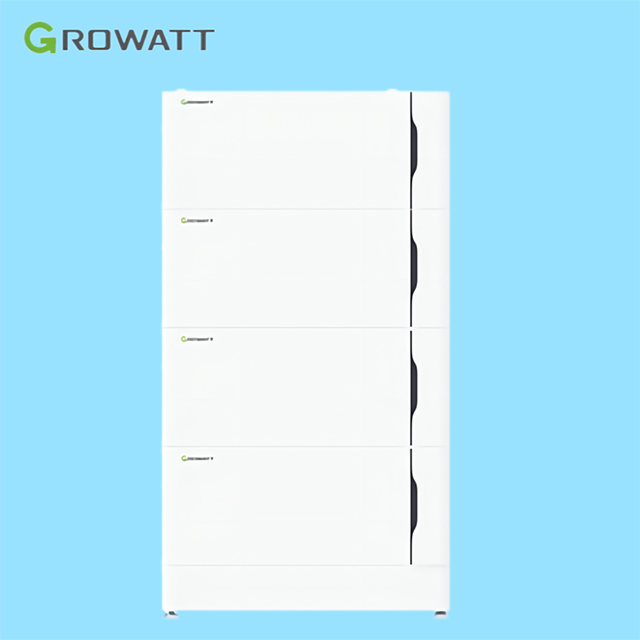
Grid instability and shifting net-metering policies demand a fresh approach to power resilience. Homeowners are swiftly moving beyond simple grid-tied solar setups. Traditional, fixed-capacity wall-mounted batteries often force a hard choice. You either overpay for unneeded capacity upfront or risk under-powering your home during an extended outage. A modular approach changes this dynamic completely. A stacked lithium battery system allows for precise initial sizing. You gain scalable, "Lego-like" expansion as your daily energy demands evolve. This flexibility protects your initial investment. Our guide provides an evidence-based framework for evaluating and selecting a reliable system. We bypass the usual marketing hype. Instead, we focus on usable capacity, warranty realities, and installation compliance. You will learn how to size your system correctly and avoid common purchasing mistakes.
Key Takeaways
Chemistry Matters: Modern residential systems rely almost exclusively on LiFePO4 (LFP) chemistry due to its thermal stability, 100% Depth of Discharge (DoD), and 6,000–9,000 cycle lifespan.
The 3-Tier Warranty Rule: A reliable warranty must guarantee three distinct metrics: Term (e.g., 10-15 years), Throughput/Cycles (e.g., 6,000 cycles), and Capacity Retention (e.g., 70%).
Smart Sizing: Effective home backup power requires calculating critical loads and adding a 20% safety margin for appliance surge demands.
Toolless Expansion: Premium stackable energy storage systems utilize auto-detecting BMS bases and eliminate complex inter-module wiring, reducing installation time and failure points.
The Structural Advantage of Stackable Energy Storage
You avoid the financial risk of overcommitting when you prioritize scalability. Buying a fixed 13.5kWh wall unit locks you into a massive upfront expense. You might not need that much power immediately. Instead, you can start small. Buy a modular 5kWh base today. You can effortlessly add 5kWh increments later as your family grows or appliance needs change. This makes stackable energy storage highly practical. You only pay for the capacity you actually consume.
Next, evaluate the physical wiring configuration. Older battery configurations look messy and complicated. Modern setups eliminate messy inter-module cabling entirely. They utilize direct pin-to-pin or hidden busbar connections inside a vertical tower. This smart structural choice removes exterior wiring clutter. It drastically reduces voltage drop risks between cells. Fewer cables mean fewer potential failure points. Your installer saves time, and your setup looks much cleaner.
Finally, consider the physical footprint of the unit. Floor-mounted designs offer a distinct advantage over heavy wall-mounted units. Stacked towers distribute heavy weight safely across your concrete garage or basement floor. This circumvents structural wall-load limitations. Older homes often lack the heavy stud strength required for massive wall units. Hanging hundreds of pounds on drywall poses severe structural risks. A vertical floor tower solves this effortlessly. You gain immense power without requiring expensive architectural reinforcements.
![Stackable Energy Storage System]()
Core Evaluation Criteria for a Stacked Lithium Battery System
First, inspect the cell chemistry. A modern LiFePO4 battery is practically non-negotiable for indoor home use. Legacy lead-acid setups require constant maintenance and ventilating. NMC lithium variants carry higher thermal runaway risks. LiFePO4 (LFP) chemistry completely dominates the residential storage market for good reasons. It offers zero toxic off-gassing. It boasts an incredibly high thermal runaway threshold. You also gain superior energy density and deeper discharge capabilities.
Next, distinguish between continuous output and peak output. These numbers dictate what appliances you can actually run. Continuous output dictates what the unit sustains over many hours. This metric covers running your lights, computers, and a refrigerator steadily. Peak output handles momentary electrical surges. Think of what the unit outputs for just three to five seconds. Starting a heavy well pump or an HVAC compressor requires massive peak power. If your peak output rating is too low, your system will trip and shut down during an outage.
You must rigorously evaluate the warranty. Reject vague "10-year" marketing claims. Demand clear visibility into three specific metrics. We call this the three-dimensional warranty breakdown.
Term length: The standard industry expectation sits between 10 and 15 years.
Cycle life: Expect a minimum guarantee of 6,000 deep charge and discharge cycles.
End-of-life retention: The policy must guarantee at least 70% capacity remaining at the end of the term.
Finally, check current cost benchmarks. Installed residential systems typically run between $1,000 to $1,600 per kWh of capacity. Use this range to spot overpriced units. You should not overpay for basic functionality. Below is a quick comparison showing why LFP reigns supreme in modern setups.
Table 1: Battery Chemistry Comparison for Residential Use
Chemistry Type
Safety Profile
Average Cycle Life
Routine Maintenance
Lead-Acid
Moderate (Off-gassing risk)
500 - 1,000
High
NMC Lithium
Moderate (Lower thermal threshold)
2,000 - 4,000
None
LiFePO4 (LFP)
High (Thermally stable)
6,000 - 9,000+
None
How to Size Your Home Backup Power (The 3-Step Formula)
Properly sizing a lithium battery ensures true reliability during grid failures. Never guess your capacity requirements. Instead, use a structured, mathematical approach. Our three-step formula prevents costly undersizing.
Step 1: Audit Daily Consumption. Extract your daily average kWh usage from recent utility bills. Isolate your peak seasonal loads. Summer air conditioning demands differ vastly from winter heating requirements. You need hard numbers to start. Find your highest usage month and divide by 30 days.
Step 2: Define the Backup Scenario. Differentiate between "Survival Preparedness" and "Whole-Home Comfort." Survival focuses on critical loads only. These include your fridge, well pump, internet router, and medical devices. Whole-home comfort encompasses heavy loads. This includes central HVAC, electric ovens, and EV charging. Pick your lane early.
Step 3: Apply the 20% Redundancy Rule. Calculate your target capacity using a simple formula. Multiply your daily kWh need by your desired backup days. Then, multiply that total by a 1.2 safety factor. This extra 20% buffer is crucial. It absorbs appliance startup surges. It also compensates for natural battery degradation over a decade of use.
Here is how different scenarios change your required storage capacity.
Chart: Backup Scenario Sizing Example (Assuming a 15kWh daily survival baseline)
Scenario
Daily Need (kWh)
Backup Days
Safety Factor
Target Capacity
Survival Preparedness
15
1
1.2 (20%)
18 kWh
Weekend Outage (Survival)
15
2
1.2 (20%)
36 kWh
Whole-Home Comfort
35
1
1.2 (20%)
42 kWh
Advanced System Features: Weather Prep to TOU Arbitrage
A modern home energy storage system does more than sit idle in a corner. It acts as a proactive smart hub for your house. Look for automated outage defense capabilities. Premium software integrations actively monitor local weather APIs. They automatically force-charge your modules to 100% capacity prior to incoming storms. You stay prepared automatically. You never have to rush to a control panel as the sky darkens.
Another massive benefit involves Time-of-Use (TOU) arbitrage. Think of this feature as savings on autopilot. Utility companies charge more during evening peak hours. The system charges from your solar panels during the sunny day. It might also pull from the grid during off-peak, cheap midnight hours. It then discharges exactly during those peak evening hours. This strategy helps you dodge exorbitant utility rates effortlessly.
Consider climate adaptation if you live in harsh environments. Installations in uninsulated garages or outdoors in northern climates face severe freezing risks. You must emphasize the necessity of heated modules. Integrated internal heating elements prevent dangerous lithium plating. Plating occurs during sub-freezing (below 32°F) charges. Forcing a charge into a frozen cell ruins it permanently. Heated systems protect your investment by warming the cells before accepting current.
Installation Realities, Compliance, and Risks
Physical installation requires careful environmental planning. Elevation and flood protection matter immensely. Note the importance of the base unit height. Raising modules 7 or more inches off the ground provides critical protection. It guards delicate electronics against basement water intrusion. A minor garage flood should never destroy your power supply.
Communication and commissioning require precise electronic configurations. Automatic DIP switch recognition is vital for expanding systems. Ethernet-based daisy-chaining connects parallel towers effectively. This ensures seamless communication inside the Battery Management System (BMS). Good communication means you avoid messy signal drops. It allows multiple towers to act as one unified brain.
Correct wire sizing prevents dangerous voltage drops. Connections running from the battery stack to the inverter typically sit within 20 feet. These runs require extremely heavy-gauge cabling, like 4/0 AWG. Thick cables safely handle high continuous amperages without losing efficiency to heat. Skimping on cables causes overheating. It creates a massive fire hazard.
Finally, weigh DIY enthusiasm against certified installer guarantees. We strongly warn against voiding warranties. Even a modular, "Lego-like" system poses high-voltage risks. Grid-interconnection and local permitting almost always require a licensed electrician. Professional installation ensures you meet strict local fire codes. It also guarantees your robust home backup power investment remains fully covered by the manufacturer.
Conclusion
A modular system shifts your power strategy dramatically. It transforms a static appliance into a dynamic, adaptable asset. You control your grid independence. Start by calculating your critical load and adding that essential 20% margin. Filter brands strictly by LFP chemistry. Demand transparent, three-metric warranties before signing anything. Prioritize smart TOU management software and toolless expansion bases. Your next action is simple. Consult a certified local installer today. Ask them to audit your home's main electrical panel. Request customized quotes based entirely on a modular starting capacity.
FAQ
Q: Can I mix and match different battery brands in a stackable system?
A: No. Proprietary BMS communication protocols and form factors require sticking to a single manufacturer's ecosystem. Mixing brands causes communication failures and voids warranties immediately.
Q: Are stackable home energy storage systems safe to keep indoors?
A: Yes, provided they use LiFePO4 chemistry (which does not off-gas) and comply with local fire codes (e.g., UL 9540 certification). Always ensure proper clearance according to the manufacturer manual.
Q: Is home energy storage worth it if I don't have solar panels?
A: Yes, for two scenarios: surviving grid outages (charging directly from the grid) and TOU arbitrage (buying cheap nighttime grid power to use during expensive daytime hours).
Q: Do stackable batteries require permanent home modification?
A: Unlike heavy wall-mounted units, floor-stacked systems require fewer structural modifications. This makes smaller, portable variants viable even for long-term renters wanting backup power.