- Home
-
-
Types of Electric Vehicles: BEVs, PHEVs, HEVs
Views: 0 Author: Site Editor Publish Time: 2026-02-02 Origin: Site
![facebook sharing button]()
![twitter sharing button]()
![line sharing button]()
![wechat sharing button]()
![linkedin sharing button]()
![pinterest sharing button]()
![whatsapp sharing button]()
![kakao sharing button]()
![snapchat sharing button]()
![sharethis sharing button]()
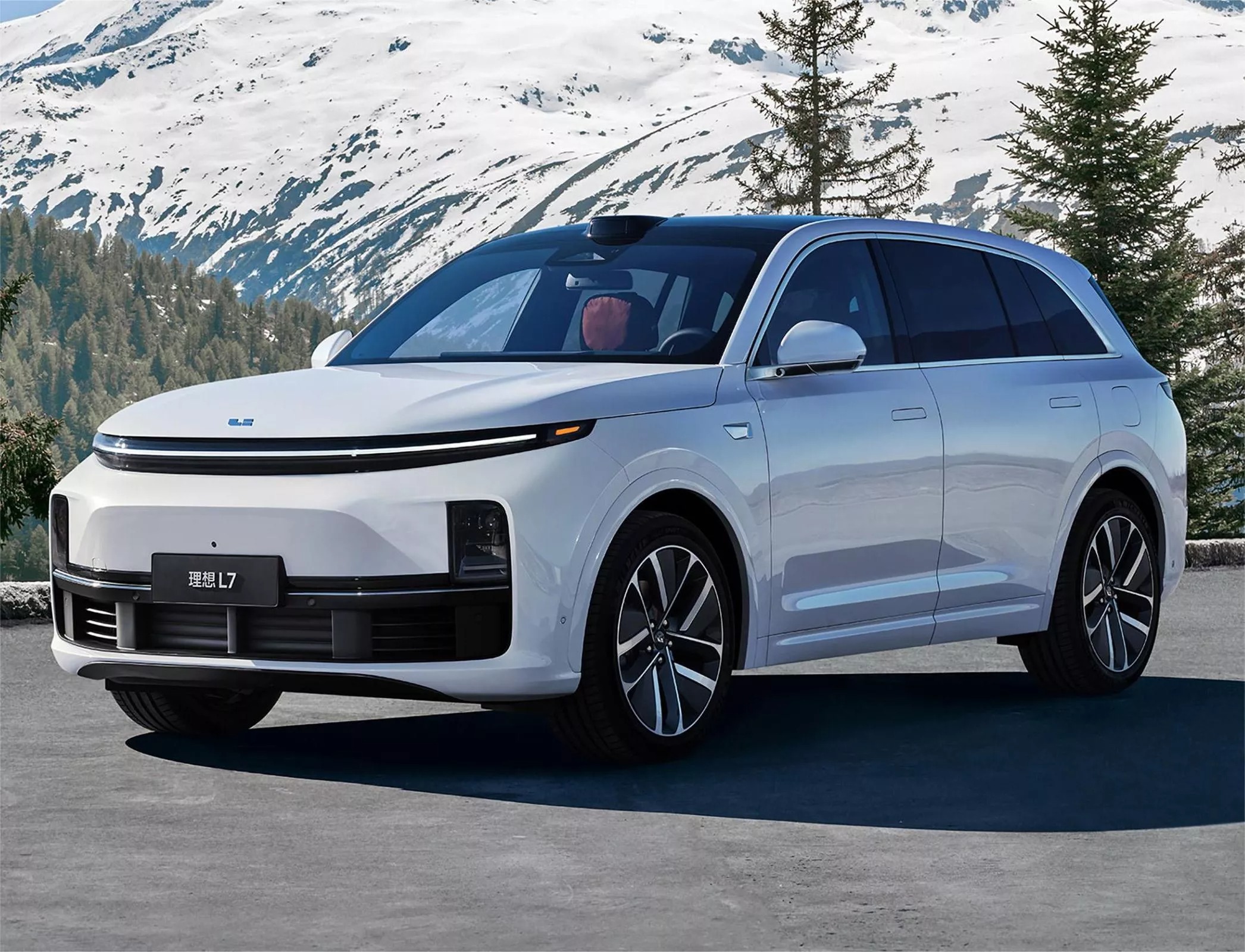
1. Introduction
Electric vehicles (EVs) are transforming the way we think about transportation. As the world moves towards sustainability, New Energy Vehicles (NEVs) are becoming more popular. But which type of EV is right for you?
In this article, we'll explore the main types of electric vehicles: BEVs, PHEVs, and HEVs. You'll learn about their differences, advantages, and how to choose the best one for your needs.
2. Understanding New Energy Vehicles (NEVs)
2.1 What Are New Energy Vehicles?
New Energy Vehicles (NEVs) are vehicles that utilize non-traditional power sources to reduce emissions and dependency on fossil fuels. They include Battery Electric Vehicles (BEVs), Plug-in Hybrid Electric Vehicles (PHEVs), and Hybrid Electric Vehicles (HEVs). These vehicles are designed to contribute to sustainability by lowering carbon footprints and improving energy efficiency.
2.2 The Growth of NEVs in the Automotive Industry
The New Energy Vehicle market is growing rapidly, especially in regions like Europe, China, and the U.S. Government incentives and stricter emission regulations are driving this trend. According to market reports, the global EV market is expected to expand at a significant rate in the coming years. NEVs are becoming an integral part of future transportation systems, as more people are adopting cleaner vehicles for daily commutes and long-distance travel.As more cities and countries push for greener policies, adopting New Energy Vehicles is becoming both a responsible and financially wise decision.

3. Battery Electric Vehicles (BEVs)
3.1 What Are BEVs?
Battery Electric Vehicles (BEVs) are fully electric, powered entirely by electricity stored in rechargeable batteries. BEVs have no internal combustion engine (ICE), which means they produce zero emissions. They rely solely on electric motors to drive the vehicle, making them the most eco-friendly type of EV available today.
3.2 How Do BEVs Work?
BEVs work by storing electricity in large battery packs. When you press the accelerator, the battery sends power to the electric motor, propelling the vehicle forward. BEVs require external charging, either through home chargers or public charging stations. They can be charged overnight at home, or at fast-charging stations, which can provide 80% charge in as little as 30 minutes.
3.3 Pros and Cons of BEVs
Pros:
● Zero emissions: BEVs produce no tailpipe emissions, making them the cleanest option for environmentally conscious drivers.
● Lower operating costs: BEVs have fewer moving parts than conventional vehicles, resulting in lower maintenance costs.
● Quiet operation: BEVs offer a smooth, quiet driving experience due to the absence of an internal combustion engine.
Cons:
● Range anxiety: While BEV technology is improving, the range of some BEVs is still lower compared to gasoline vehicles.
● Charging time: Charging can take several hours, which is longer than filling a gas tank.
● Charging infrastructure: In some areas, the availability of charging stations may be limited.
3.4 BEVs in the Real World
BEVs are ideal for city commuting and short trips. Popular models like the Tesla Model 3 and Nissan Leaf offer significant ranges, with the ability to drive up to 250 miles or more on a single charge. As the charging infrastructure expands, BEVs are becoming more convenient for longer trips as well.
If your daily driving distance is short and you have access to charging stations, a BEV could be a cost-effective and environmentally friendly choice.
4. Plug-in Hybrid Electric Vehicles (PHEVs)
4.1 What Are PHEVs?
Plug-in Hybrid Electric Vehicles (PHEVs) combine the benefits of both electric and gasoline-powered vehicles. They have an electric motor and a traditional internal combustion engine. PHEVs can be charged using home or public chargers, and they offer the flexibility to drive using electricity or gasoline, depending on the available charge.
4.2 How Do PHEVs Work?
PHEVs work by using the electric motor for short trips and the gasoline engine for longer trips. Once the electric battery runs out of charge, the gasoline engine kicks in to keep the vehicle running. You can plug in a PHEV to recharge its battery, just like a BEV, but the presence of a gasoline engine ensures that you never have to worry about running out of power for long-distance travel.
4.3 Pros and Cons of PHEVs
Pros:
● Flexibility: You can drive short distances on electric power and longer distances using the gasoline engine.
● Lower emissions: When using electric power, PHEVs produce zero emissions.
● Reduced range anxiety: With a gasoline engine, you can travel long distances without worrying about charging stations.
Cons:
● Limited electric-only range: Most PHEVs can only drive 20-40 miles on electric power before switching to gasoline.
● Higher maintenance costs: PHEVs have both an electric motor and a gasoline engine, leading to more complex maintenance.
● Higher initial cost: PHEVs can be more expensive than regular vehicles due to the dual power systems.
4.4 Best Use Cases for PHEVs
PHEVs are great for people who want the benefits of electric driving for daily trips but still need the range and reliability of gasoline power for longer journeys. Popular models like the BMW 330e and Toyota Prius Plug-in offer the best of both worlds.
5. Hybrid Electric Vehicles (HEVs)
5.1 What Are HEVs?
Hybrid Electric Vehicles (HEVs) use both an electric motor and a gasoline engine, but they cannot be plugged in to recharge. The battery is charged through regenerative braking and by the gasoline engine itself. HEVs are ideal for drivers who want better fuel efficiency without needing to rely on external charging infrastructure.
5.2 How Do HEVs Work?
In HEVs, the electric motor assists the gasoline engine, improving fuel efficiency and reducing emissions. The vehicle switches between the electric motor and gasoline engine, depending on driving conditions. When the car slows down or brakes, regenerative braking recovers energy to charge the battery.
5.3 Pros and Cons of HEVs
Pros:
● No need for external charging: HEVs are self-charging, meaning they don’t require charging stations.
● Fuel efficiency: HEVs use less fuel than traditional vehicles, thanks to their electric motor.
● Lower emissions: HEVs produce fewer emissions than conventional gasoline vehicles.
Cons:
● Limited electric-only range: HEVs can only drive short distances on electric power before the gasoline engine takes over.
● Higher maintenance costs: While HEVs have fewer components than PHEVs, maintaining both an electric motor and an engine can still be costly.
● Less environmental benefit than BEVs: While they are cleaner than traditional cars, HEVs still rely on gasoline for power.
5.4 Why Choose HEVs?
HEVs are perfect for drivers who want improved fuel efficiency without the need to plug in their vehicle. They are an excellent option for city commuters who want to reduce emissions and fuel consumption but don’t want the hassle of charging. Examples include the Toyota Prius and Honda Insight.HEVs are ideal if you're looking for a fuel-efficient, low-maintenance vehicle that doesn’t require charging.
6. Key Differences Between BEVs, PHEVs, and HEVs
Feature
BEVs (Battery Electric Vehicles)
PHEVs (Plug-in Hybrid Electric Vehicles)
HEVs (Hybrid Electric Vehicles)
Energy Source
Electric battery only
Electric battery + gasoline engine
Electric battery + gasoline engine
Charging Requirement
Requires charging at home/public stations
Requires charging at home/public stations
Self-charging through regenerative braking and engine
Emissions
Zero emissions
Low emissions (electric mode)
Lower emissions than gasoline vehicles
Range
Medium to high (depending on battery size)
High (electric + gasoline range)
Low (electric motor assists fuel engine)
Fuel Efficiency
High
Moderate to high
Moderate (depends on driving conditions)
6.1 Energy Sources and Charging
● BEVs: Powered entirely by electricity; require charging.
● PHEVs: Use both electricity and gasoline; require charging.
● HEVs: Use both electricity and gasoline; self-charging through regenerative braking and the engine.
6.2 Environmental Impact
● BEVs: Zero emissions.
● PHEVs: Low emissions when driving on electricity.
● HEVs: Lower emissions than traditional gasoline vehicles but still reliant on gasoline.
6.3 Cost Considerations
● BEVs: Lower operating and maintenance costs, but higher upfront costs.
● PHEVs: More expensive than BEVs and HEVs due to dual power systems.
● HEVs: Moderate upfront cost, with savings on fuel but potential higher maintenance costs.
6.4 Best Use Case for Each Type
● BEVs: Ideal for eco-conscious commuters and short-distance drivers with access to charging infrastructure.
● PHEVs: Great for people who want flexibility for both short and long trips.
● HEVs: Best for those looking for better fuel efficiency without worrying about charging.
7. Conclusion
New Energy Vehicles are revolutionizing transportation with three main types: BEVs, PHEVs, and HEVs. Each offers unique benefits based on energy usage, environmental impact, and charging needs. For those looking for a sustainable driving option, these vehicles provide cleaner alternatives to traditional gasoline cars. Shanxi Xuchen Dongsheng International Trade Co., Ltd. offers a range of NEVs, ensuring high-quality products that meet the growing demand for eco-friendly transportation solutions.
FAQ
Q: What are BEVs, PHEVs, and HEVs?
A: BEVs (Battery Electric Vehicles) run entirely on electricity, PHEVs (Plug-in Hybrid Electric Vehicles) use both electricity and gasoline, while HEVs (Hybrid Electric Vehicles) combine both power sources but do not require external charging.
Q: How do New Energy Vehicles reduce environmental impact?
A: New Energy Vehicles like BEVs produce zero emissions, reducing air pollution and helping combat climate change.
Q: What are the advantages of BEVs over PHEVs and HEVs?
A: BEVs are fully electric, offering zero emissions, lower maintenance costs, and quieter operation compared to New Energy Vehicles that use both gasoline and electricity.
Q: Are New Energy Vehicles more expensive than traditional cars?
A: New Energy Vehicles like BEVs and PHEVs may have a higher upfront cost, but they offer lower operating and maintenance costs in the long run.
Q: Can I charge a PHEV at home?
A: Yes, PHEVs can be charged at home using a standard outlet or a dedicated charging station.