- Home
-
-
![facebook sharing button]()
![twitter sharing button]()
![line sharing button]()
![wechat sharing button]()
![linkedin sharing button]()
![pinterest sharing button]()
![whatsapp sharing button]()
![kakao sharing button]()
![snapchat sharing button]()
![sharethis sharing button]()
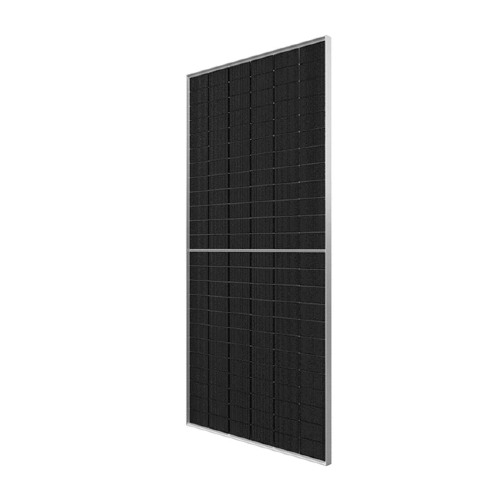
The shift to renewable energy sources is accelerating globally, and solar power is one of the most efficient and sustainable options available. At the heart of every solar energy system lies the solar module. In this article, we will explore what a solar module is, how it works, its types, and the factors influencing its efficiency. Whether you're considering solar energy for your home or business, understanding solar modules is essential to making informed decisions.
1. What is a Solar Module?
As the world increasingly turns to renewable energy, solar modules play a critical role in harnessing the power of the sun. These devices, also known as solar panels, are responsible for converting sunlight into electrical energy, making them the core components of any solar power system.
But what exactly is a solar module? Simply put, a solar module is a collection of solar cells arranged and connected together. These modules are designed to generate direct current (DC) electricity when exposed to sunlight. Understanding how solar modules work, their types, and their efficiency is key to selecting the right system for your energy needs.
2. What is a Solar Module?
A solar module, also known as a solar panel, is a physical unit that contains solar cells. These cells are made from semiconductor materials such as silicon, and they absorb sunlight to produce electricity through the photoelectric effect. Solar modules are often the primary component of solar energy systems, whether they are used in residential, commercial, or industrial applications.
How Does a Solar Module Work?
When sunlight strikes the solar cells within the module, it excites electrons in the semiconductor material. This creates an electric current, which is collected and transferred through electrical conductors to power devices or charge batteries. The overall efficiency of a solar module depends on the material, design, and technology used in its construction.
Components of a Solar Module:
Solar Cells: The core element responsible for converting sunlight into electricity.
Frame: Usually made of aluminum, this holds the module in place and provides durability.
Glass: The outer layer that protects the solar cells while allowing sunlight to pass through.
Junction Box: Contains the electrical connections for the solar cells.
Backsheet: The rear layer of the module, typically made of polymer material, that insulates and protects the components.
3. How Does a Solar Module Work?
To fully understand solar modules, it's essential to explore how they convert sunlight into usable electricity. This process involves the photoelectric effect.
Photoelectric Effect
The photoelectric effect is a phenomenon where light energy is absorbed by a material and causes the emission of electrons. In solar modules, the solar cells are made of semiconductor materials such as silicon. When photons (light particles) hit the surface of the cells, they transfer their energy to electrons, causing them to move and generate electricity.
From DC to AC: Inverters in Solar Modules
Solar cells generate direct current (DC) electricity, but most homes and businesses use alternating current (AC). Therefore, solar modules are typically paired with inverters that convert the DC electricity produced by the modules into usable AC electricity.
4. Types of Solar Modules
There are several types of solar modules on the market, each with its own set of advantages and disadvantages. Understanding the different types of solar modules will help you choose the right one for your needs.
4.1 Monocrystalline Solar Modules
Monocrystalline solar modules are made from a single, continuous crystal structure of silicon. This makes them highly efficient at converting sunlight into electricity.
Efficiency: 18% – 22%
Advantages: High efficiency, longer lifespan, better performance in low-light conditions.
Disadvantages: Higher cost compared to other types of solar panels.
4.2 Polycrystalline Solar Modules
Polycrystalline solar modules are made from silicon crystals that are melted and molded together. While they are less efficient than monocrystalline panels, they are more affordable.
Efficiency: 15% – 17%
Advantages: More affordable, less manufacturing waste.
Disadvantages: Lower efficiency, slightly shorter lifespan than monocrystalline panels.
4.3 Thin-Film Solar Modules
Thin-film solar modules are made by depositing photovoltaic material onto a thin substrate, such as glass or plastic. These modules are flexible and lightweight but less efficient than crystalline modules.
Efficiency: 10% – 12%
Advantages: Flexible, lightweight, better performance in high temperatures.
Disadvantages: Lower efficiency, require more space, less durable over time.
4.4 Bifacial Solar Modules
Bifacial solar modules are capable of capturing sunlight from both the front and rear sides of the panel. This allows them to generate more electricity, especially when installed in areas with high surface reflectivity.
Efficiency: 20% – 25% (can be higher with bifacial technology)
Advantages: Increased energy output, better for areas with high albedo (reflectivity) such as snow or sand.
Disadvantages: More expensive, complex installation.
Solar Module Type
Efficiency
Advantages
Disadvantages
Monocrystalline
18% – 22%
High efficiency, better performance in low light
Higher cost, limited availability
Polycrystalline
15% – 17%
Affordable, less manufacturing waste
Lower efficiency, shorter lifespan
Thin-Film
10% – 12%
Flexible, lightweight
Low efficiency, requires more space
Bifacial
20% – 25%
Increased output, better for high reflectivity areas
Expensive, complex installation
![Solar Module]()
5. Solar Module Efficiency
Solar module efficiency is one of the most important factors when evaluating different solar panel systems. Efficiency refers to how effectively the module converts sunlight into electricity.
What is Solar Module Efficiency?
Solar module efficiency is defined as the percentage of sunlight that a solar module can convert into usable electricity. The higher the efficiency, the more power the module can produce in a given amount of space.
High-efficiency modules are ideal for limited roof space and areas with high energy demand.
Lower-efficiency modules are typically better for large-scale installations where space is not a constraint.
Factors Affecting Solar Module Efficiency
Several factors can influence solar module efficiency, including:
Material: Monocrystalline modules are typically the most efficient, followed by polycrystalline and thin-film.
Temperature: High temperatures can reduce the efficiency of solar panels. Monocrystalline panels tend to perform better in hot climates compared to other types.
Angle of Installation: Installing panels at the correct angle maximizes sunlight exposure and efficiency.
Shading: Even partial shading can significantly reduce the energy output of solar panels.
6. Applications of Solar Modules
Solar modules are used in a variety of applications, ranging from residential setups to large-scale solar farms. Below are the primary areas where solar modules are utilized.
6.1 Residential Applications
For homeowners, installing solar modules on the roof can significantly reduce electricity bills. Residential solar systems typically use high-efficiency modules to maximize energy production in limited space.
6.2 Commercial Applications
Businesses are increasingly adopting solar modules to reduce their energy costs and lower their carbon footprint. Solar systems can be installed on rooftops, parking lots, or other available spaces.
6.3 Utility-Scale Solar Farms
Utility-scale solar farms use thousands of solar modules to generate large amounts of electricity. These installations often use lower-efficiency modules, as space is abundant, and the goal is to generate as much power as possible.
6.4 Off-Grid and Remote Locations
In areas without access to a reliable electricity grid, solar modules can provide a dependable source of power. These systems are often paired with batteries to ensure a continuous supply of electricity, even during cloudy days or at night.
7. Advantages of Solar Modules
The benefits of using solar modules extend beyond just saving on electricity costs. Here are some key advantages:
7.1 Cost Savings
While the initial cost of installing a solar module system can be high, the long-term savings are significant. Over time, solar panels can eliminate or reduce monthly electricity bills, and many governments offer incentives or rebates for installing solar energy systems.
7.2 Environmental Impact
Solar power is a clean, renewable energy source. By using solar modules, you can reduce your carbon footprint and contribute to a cleaner environment. Solar power generation does not produce greenhouse gas emissions, making it a sustainable choice for the future.
7.3 Energy Independence
Installing solar modules can help homeowners and businesses become less reliant on the grid. This is particularly beneficial in areas with unreliable or expensive electricity supply.
7.4 Durability and Longevity
Solar modules are designed to last for 25 years or more, with most panels losing only about 0.5% of their efficiency per year. This long lifespan makes them a cost-effective energy solution for the long term.
8. Challenges and Considerations When Choosing a Solar Module
While solar modules offer numerous benefits, there are some challenges and factors to consider before making a purchase.
8.1 Initial Investment
The upfront cost of purchasing and installing solar modules can be significant, though it’s offset by long-term savings and incentives.
8.2 Space Requirements
For residential systems, space on the roof may be limited. High-efficiency solar modules are recommended for homeowners who want to maximize energy production in a smaller area.
8.3 Climate and Weather Conditions
High temperatures, humidity, and environmental conditions can affect the performance of solar modules. It's important to select panels that are well-suited for the local climate.
9. Conclusion
In conclusion, solar modules are essential for harnessing solar energy efficiently. With various types available—each offering distinct advantages and limitations—choosing the right solar module depends on your specific energy needs, available space, and budget. By understanding how these modules work, their efficiency, and the factors influencing their performance, you can make an informed decision that aligns with your goals.
If you’re considering transitioning to solar energy or upgrading your existing system, it’s important to work with trusted suppliers who can provide expert guidance and high-quality solar modules. Shanxi Xuchen Dongsheng International Trade Co., Ltd. offers a range of efficient and durable solar products tailored to different applications. Their experienced team can help you select the ideal modules to maximize energy production and reduce long-term costs. Contact them today to learn more about how they can support your solar energy needs.
10. FAQ
Q1: What is the difference between a solar module and a solar panel?
A solar module is a single unit containing multiple solar cells. A solar panel typically refers to a collection of solar modules.
Q2: How long do solar modules last?
Most solar modules last between 25 and 30 years, with only minor degradation in efficiency over time.
Q3: Can solar modules produce enough energy for my home?
Yes, solar modules can produce enough energy to power your home, depending on your energy consumption and the size of your system.
Q4: How do I choose the right solar module for my needs?
The best solar module depends on factors such as your available space, budget, and local climate. Monocrystalline panels offer the highest efficiency, while polycrystalline panels are more affordable.
Q5: What is the most efficient type of solar module?
Monocrystalline solar modules are the most efficient, typically offering efficiency rates between 18% and 22%.