- Home
-
-
What Is The Difference between Electric And Hybrid Cars
Views: 0 Author: Site Editor Publish Time: 2025-10-24 Origin: Site
![facebook sharing button]()
![twitter sharing button]()
![line sharing button]()
![wechat sharing button]()
![linkedin sharing button]()
![pinterest sharing button]()
![whatsapp sharing button]()
![kakao sharing button]()
![snapchat sharing button]()
![sharethis sharing button]()
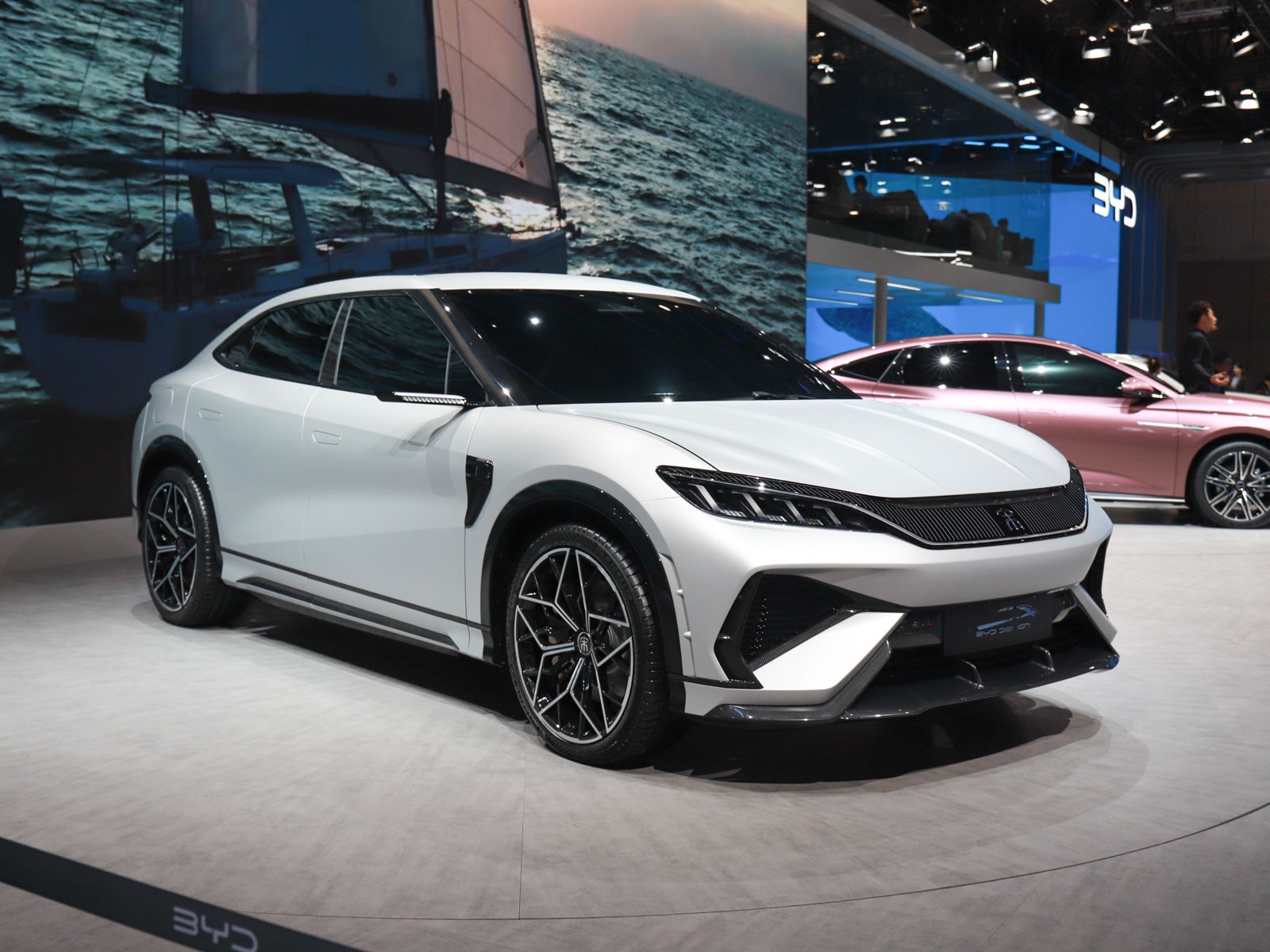
The global automotive industry is undergoing a significant transformation, with a growing emphasis on sustainability and reducing carbon emissions. This shift has led to the rise of electric cars and hybrid vehicles, both of which are categorized under New Energy Vehicles. Understanding the differences between these two types of vehicles is crucial for consumers, policymakers, and industry stakeholders. This article delves into the technical, economic, and environmental distinctions between electric and hybrid cars, providing a comprehensive analysis of their roles in the future of transportation.
Electric Cars: An Overview
Electric cars, often referred to as Battery Electric Vehicles (BEVs), are powered entirely by electricity stored in batteries. These vehicles have gained popularity due to their zero emissions and the decreasing cost of battery technology. The core components of an electric car include an electric motor, a large battery pack, and a controller that manages the power flow. The absence of an internal combustion engine means electric cars are quieter and require less maintenance compared to traditional vehicles.
A significant advantage of electric cars is their environmental impact. By eliminating tailpipe emissions, electric vehicles contribute to cleaner air and reduced greenhouse gas emissions. This aligns with global efforts to combat climate change and promote sustainable urban development. Additionally, electric cars can be charged using renewable energy sources, further enhancing their environmental benefits.
However, electric cars face challenges such as limited range and charging infrastructure. While advancements in battery technology have extended the range of electric vehicles, the availability of charging stations remains a concern for potential buyers. Governments and private companies are investing in expanding charging networks to address this issue, making electric cars more accessible to a broader audience.
Hybrid Cars: A Middle Ground
Hybrid cars, or Hybrid Electric Vehicles (HEVs), combine an internal combustion engine with an electric motor. This dual powertrain allows hybrids to switch between or simultaneously use both power sources, optimizing fuel efficiency and reducing emissions. The most common type of hybrid is the parallel hybrid, where the electric motor and gasoline engine can drive the vehicle independently or together.
One of the primary benefits of hybrid cars is their extended range compared to electric vehicles. Since hybrids can rely on gasoline when the battery is depleted, they offer greater flexibility for long-distance travel. Additionally, hybrids often achieve better fuel economy than traditional gasoline-powered cars, making them an attractive option for consumers looking to reduce fuel costs.
Despite these advantages, hybrids are not without drawbacks. The complexity of having two powertrains can lead to higher maintenance costs and potential reliability issues. Moreover, while hybrids produce fewer emissions than conventional vehicles, they are not as environmentally friendly as fully electric cars. As battery technology continues to improve, the gap between hybrids and electric vehicles in terms of environmental impact may widen.
Economic Considerations
The economic implications of choosing between electric and hybrid cars are multifaceted. Initial purchase prices, fuel costs, maintenance expenses, and government incentives all play a role in determining the total cost of ownership. Electric cars typically have higher upfront costs due to the expensive battery packs. However, they benefit from lower operating costs since electricity is generally cheaper than gasoline, and electric vehicles require less maintenance.
Hybrid cars, on the other hand, tend to have a lower initial cost compared to electric vehicles, making them more accessible to a wider range of consumers. The fuel savings from improved efficiency can offset the higher purchase price over time, particularly for drivers who frequently travel long distances. Additionally, hybrids may qualify for certain government incentives aimed at promoting fuel-efficient vehicles, further reducing the financial burden on buyers.
Government policies and incentives play a crucial role in shaping the market for electric and hybrid cars. Many countries offer tax credits, rebates, and other incentives to encourage the adoption of New Energy Vehicles. These incentives can significantly reduce the effective cost of electric and hybrid cars, making them more competitive with traditional vehicles. As governments continue to prioritize environmental sustainability, these incentives are likely to expand, further boosting the appeal of electric and hybrid cars.
Environmental Impact
The environmental impact of electric and hybrid cars is a critical factor in the decision-making process for consumers and policymakers. Electric cars offer the most significant environmental benefits due to their zero tailpipe emissions. When powered by renewable energy sources, electric vehicles can achieve near-zero carbon emissions, contributing to cleaner air and reduced reliance on fossil fuels.
Hybrid cars, while more environmentally friendly than traditional gasoline vehicles, still produce emissions from their internal combustion engines. However, the ability to operate in electric-only mode at low speeds and during idling reduces overall emissions. This makes hybrids a viable option for reducing environmental impact, particularly in regions where charging infrastructure for electric cars is limited.
Life cycle assessments of electric and hybrid cars provide a comprehensive view of their environmental impact. These assessments consider factors such as manufacturing emissions, energy consumption, and end-of-life disposal. While the production of batteries for electric cars involves significant emissions, the overall life cycle emissions are typically lower than those of hybrid and conventional vehicles. As battery recycling technologies advance, the environmental footprint of electric cars is expected to decrease further.
Technological Advancements
Technological advancements are driving the evolution of both electric and hybrid cars, enhancing their performance, efficiency, and appeal. In the realm of electric cars, improvements in battery technology are paramount. The development of high-capacity, fast-charging batteries is extending the range of electric vehicles and reducing charging times, addressing two of the primary concerns for potential buyers.
Hybrid cars are also benefiting from technological innovations. Advanced powertrain management systems optimize the use of the electric motor and gasoline engine, improving fuel efficiency and reducing emissions. Regenerative braking systems, which capture and store energy during braking, are becoming more sophisticated, enhancing the overall efficiency of hybrid vehicles.
Autonomous driving technology is another area where electric and hybrid cars are making strides. Many manufacturers are integrating advanced driver-assistance systems (ADAS) into their vehicles, offering features such as adaptive cruise control, lane-keeping assist, and automated parking. These technologies not only improve safety but also enhance the driving experience, making electric and hybrid cars more attractive to consumers.
Market Trends and Consumer Preferences
The market for electric and hybrid cars is rapidly evolving, influenced by changing consumer preferences and regulatory landscapes. Increasing awareness of environmental issues and the desire for sustainable transportation options are driving demand for New Energy Vehicles. As a result, automakers are expanding their electric and hybrid offerings, providing consumers with a wider range of choices.
Consumer preferences are also shifting towards vehicles that offer advanced technology and connectivity features. Electric and hybrid cars are well-positioned to meet these demands, with many models offering state-of-the-art infotainment systems, over-the-air software updates, and seamless integration with smart home devices. These features enhance the overall ownership experience, making electric and hybrid cars more appealing to tech-savvy consumers.
The regulatory environment is a significant driver of market trends for electric and hybrid cars. Many governments are implementing stricter emissions standards and setting ambitious targets for the adoption of New Energy Vehicles. These policies are encouraging automakers to invest in electric and hybrid technologies, accelerating the transition to a more sustainable transportation system.
Conclusion
In conclusion, the differences between electric and hybrid cars are significant, with each offering unique advantages and challenges. Electric cars provide the most substantial environmental benefits and are poised to become the dominant form of transportation as battery technology and charging infrastructure continue to improve. Hybrid cars, meanwhile, offer a practical solution for consumers seeking a balance between efficiency and range, particularly in regions where charging infrastructure is still developing.
The future of transportation is undoubtedly electric, with New Energy Vehicles playing a pivotal role in reducing emissions and promoting sustainability. As technology advances and consumer preferences evolve, the automotive industry will continue to innovate, providing more efficient, connected, and environmentally friendly vehicles. For more information on the latest developments in electric cars and hybrid vehicles, visit Xuchen Energy.