

- Home
-
-
How to Identify and Replace Degraded Solar Panels Efficiently?
Views: 0 Author: Site Editor Publish Time: 2025-10-07 Origin: Site
![facebook sharing button]()
![twitter sharing button]()
![line sharing button]()
![wechat sharing button]()
![linkedin sharing button]()
![pinterest sharing button]()
![whatsapp sharing button]()
![kakao sharing button]()
![snapchat sharing button]()
![sharethis sharing button]()
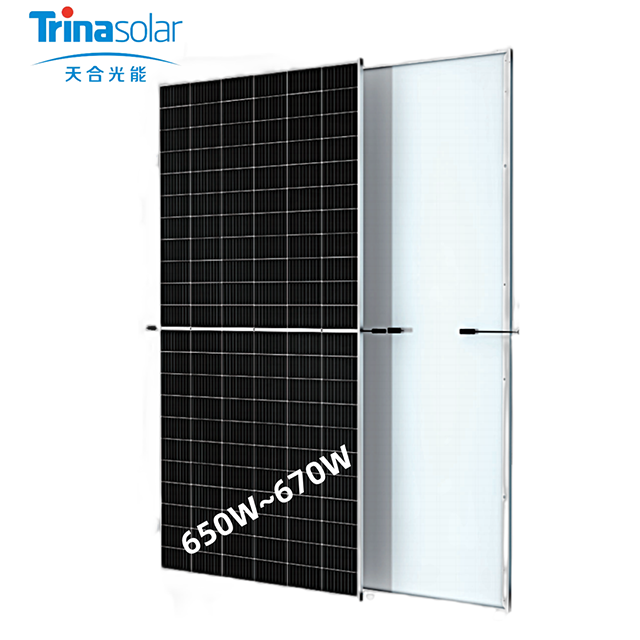
The increasing reliance on solar energy has led to widespread adoption of photovoltaic systems across various scales, from residential rooftops to large-scale power stations. However, the efficiency of these systems can be significantly impacted by the degradation of solar panels over time. Understanding the solar panel degradation rate is crucial for maintaining optimal performance and ensuring the longevity of solar installations. This article delves into the methods of identifying and replacing degraded solar panels efficiently, with a focus on different types of photovoltaic power stations, including Degraded Solar Panel for Distributed photovoltaic Power Station and others.
Understanding Solar Panel Degradation
Solar panel degradation refers to the gradual decline in the performance of solar panels over time. This degradation is influenced by several factors, including environmental conditions, manufacturing quality, and the materials used in the panels. Typically, solar panels degrade at a rate of about 0.5% to 1% per year, meaning that after 20 years, a panel might operate at 80-90% of its original capacity. Understanding this degradation rate is essential for planning maintenance and replacement strategies for solar installations.
Factors Affecting Degradation Rate
Several factors contribute to the degradation of solar panels. Environmental factors such as UV exposure, temperature fluctuations, and humidity can accelerate the wear and tear of panel materials. Additionally, the quality of materials and manufacturing processes play a significant role in determining the longevity of a panel. Panels made with high-quality silicon and advanced manufacturing techniques tend to have lower degradation rates. Furthermore, improper installation and maintenance can exacerbate degradation, highlighting the importance of professional handling and regular upkeep.
Identifying Efficiency Degraded Solar Panels
Identifying degraded solar panels is a critical step in maintaining the efficiency of a photovoltaic system. Regular monitoring and testing can help detect performance drops early, allowing for timely intervention. There are several methods and tools available for assessing the condition of solar panels, including visual inspections, performance monitoring, and advanced diagnostic tools.
Visual Inspections
Visual inspections are the simplest method for identifying physical damage to solar panels. Technicians look for signs of wear such as cracks, discoloration, or delamination. While visual inspections can reveal obvious issues, they may not detect subtle performance declines, necessitating more detailed analysis.
Performance Monitoring
Performance monitoring involves tracking the output of solar panels over time. By comparing current performance data with historical benchmarks, technicians can identify underperforming panels. This method is particularly useful for large installations where manual inspections are impractical. Advanced monitoring systems can provide real-time data, enabling quick response to any detected anomalies.
Advanced Diagnostic Tools
Advanced diagnostic tools such as infrared thermography and electroluminescence imaging offer detailed insights into the health of solar panels. Infrared thermography can detect hot spots that indicate electrical issues, while electroluminescence imaging reveals micro-cracks and other defects invisible to the naked eye. These tools are invaluable for diagnosing complex issues and planning effective maintenance strategies.
Replacing Degraded Solar Panels
Once degraded panels are identified, replacing them is crucial to restore the efficiency of the solar system. The replacement process involves several steps, including selecting suitable replacement panels, ensuring compatibility with existing systems, and executing the replacement with minimal disruption.
Selecting Replacement Panels
Choosing the right replacement panels is vital for maintaining system performance. Replacement panels should match the specifications of the existing system to ensure compatibility. Factors such as panel size, power output, and efficiency should be considered. Additionally, opting for panels with a lower degradation rate can enhance the longevity of the system.
Ensuring System Compatibility
Compatibility is a key consideration when replacing solar panels. Incompatible panels can lead to inefficiencies and potential damage to the system. It is essential to consult with professionals who can assess the system and recommend suitable replacements. This step ensures that the new panels integrate seamlessly with the existing infrastructure.
Executing the Replacement
The replacement process should be carried out by qualified technicians to ensure safety and efficiency. Proper handling and installation techniques are crucial to prevent damage to the new panels and the overall system. Additionally, the replacement should be scheduled to minimize downtime and disruption to energy production.
Case Studies and Examples
Several case studies highlight the importance of timely identification and replacement of degraded solar panels. For instance, a study conducted on a Degraded Solar Panel for Centralized photovoltaic power station revealed that proactive maintenance and replacement strategies could enhance the system's efficiency by up to 15%. Similarly, distributed photovoltaic systems have benefited from regular monitoring and timely panel replacements, resulting in sustained energy output and reduced operational costs.
Conclusion
In conclusion, identifying and replacing safety degraded solar panels is essential for maintaining the efficiency and longevity of photovoltaic systems. By understanding the factors that contribute to degradation and employing effective monitoring and replacement strategies, solar installations can continue to provide reliable and sustainable energy. Whether dealing with a Degraded Solar Panel for Off grid photovoltaic power station or a hybrid system, the principles of proactive maintenance and strategic replacement remain the same. These practices not only enhance energy production but also contribute to the overall sustainability of solar energy solutions.
Degraded Solar Panel Degraded Solar Panel for Distributed photovoltaic Power Station Degraded Solar Panel for Centralized photovoltaic power station Degraded Solar Panel for Off grid photovoltaic power station Replacing Degraded Solar Panels Efficiency Degraded Solar Panels safety degraded solar panel


