

- Home
-
-
Solar Module Manufacturing: Photovoltaic Panel Production Guide
Views: 0 Author: Site Editor Publish Time: 2026-05-29 Origin: Site
![facebook sharing button]()
![twitter sharing button]()
![line sharing button]()
![wechat sharing button]()
![linkedin sharing button]()
![pinterest sharing button]()
![whatsapp sharing button]()
![kakao sharing button]()
![snapchat sharing button]()
![sharethis sharing button]()
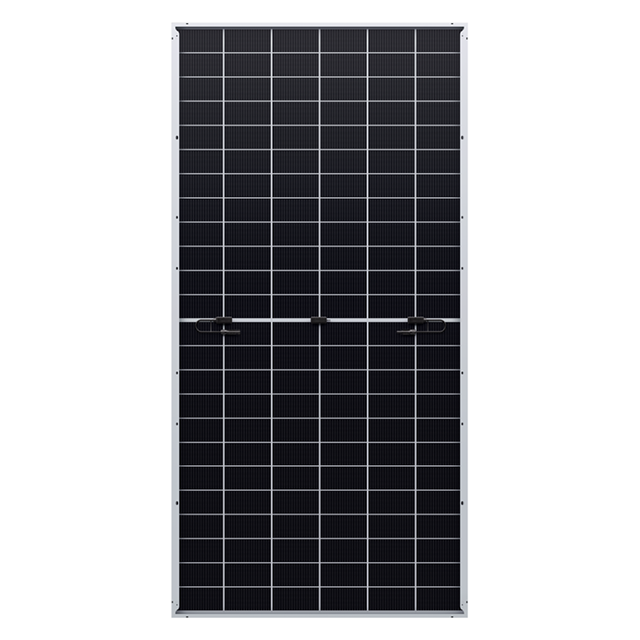
The global solar energy market reached over 640 GW of cumulative installed capacity in 2023, with photovoltaic (PV) modules serving as the foundational building blocks of this expansion. Solar module manufacturing has evolved from a niche industrial process into a sophisticated, high-volume production discipline that determines the efficiency, durability, and cost-effectiveness of solar power systems worldwide. From rooftop installations on suburban homes to utility-scale solar farms spanning hundreds of acres, every solar installation depends on properly manufactured modules that convert sunlight into clean electricity with minimal losses and maximum reliability over decades of outdoor operation.
Understanding how photovoltaic panels are produced provides procurement professionals, project developers, and energy investors with critical insights for making informed sourcing decisions. The manufacturing process behind each module carries direct implications for long-term performance, degradation rates, warranty coverage, and return on investment. When evaluating suppliers, the details of their manufacturing processes often differentiate premium products from substandard alternatives that may appear equivalent on specification sheets.
This guide examines the complete solar module manufacturing process, from raw material selection through quality testing, enabling buyers to evaluate supplier capabilities and production standards with confidence. Whether sourcing panels for utility-scale solar farms, commercial rooftop installations, or residential energy systems, the production behind each module determines whether the investment delivers on its promise over a 25 to 30 year operational lifetime.

What Is Solar Module Manufacturing
Solar module manufacturing refers to the industrial process of assembling photovoltaic cells into finished panels ready for deployment in solar energy systems. The process transforms raw semiconductor materials—primarily crystalline silicon or thin-film compounds—into durable, weather-resistant modules capable of converting sunlight into electricity for decades under continuous outdoor exposure.
Modern manufacturing integrates multiple production stages: semiconductor wafer production, cell fabrication, module assembly, and comprehensive quality verification. Each stage requires precise equipment, controlled environments, and rigorous process control to ensure that the final product meets both technical specifications and safety standards. The manufacturing facility's cleanliness class, automation level, and quality management systems directly influence module efficiency, degradation rates, and field reliability.
China dominates global solar module manufacturing, accounting for approximately 80% of worldwide production capacity. Facilities in provinces including Jiangsu, Zhejiang, Anhui, and Shanxi have invested heavily in advanced production lines, automated assembly systems, and in-house testing capabilities.XUCHEN operates integrated manufacturing operations that combine wafer processing, cell production, and module assembly under unified quality management, enabling streamlined production cycles and consistent product quality from raw material to finished panel. High-performance monocrystalline and bifacial modules from XUCHEN are produced using PERC cell technology that achieves conversion efficiencies exceeding 22%, with comprehensive quality assurance at every production stage.
Types and Categories of solar modules
Solar modules are classified primarily by the photovoltaic cell technology they employ, each offering distinct performance characteristics, cost profiles, and application suitability. Understanding these categories helps procurement professionals select the most appropriate module type for specific project requirements.
Monocrystalline Silicon Modules
Monocrystalline silicon modules are produced from single-crystal silicon wafers grown using the Czochralski method, in which a seed crystal is slowly withdrawn from a molten silicon bath, growing a single large crystal ingot. These modules achieve the highest efficiency ratings among commercially available PV products, typically ranging from 22% to 24% for premium Tier-1 products. The uniform crystal orientation of monocrystalline cells enables maximum electron mobility and minimal energy loss during conversion, resulting in superior performance across all operating conditions.
The production of monocrystalline wafers involves pulling single crystals from molten silicon at temperatures exceeding 1400°C, a process that requires significant energy input and precise temperature control. Diamond wire saws then slice the ingots into wafers approximately 180 micrometers thick, with precise control over wafer thickness uniformity and surface damage. Despite higher manufacturing costs compared to polycrystalline alternatives, the superior efficiency of monocrystalline modules translates into reduced balance-of-system costs, fewer mounting structures, and higher energy yield per square meter—advantages that make them increasingly preferred for space-constrained installations including residential rooftops and commercial building facades.
Monocrystalline modules are identifiable by their uniform black or dark blue appearance, a characteristic resulting from the consistent crystal orientation across the entire wafer surface. This aesthetic quality has made black monocrystalline modules particularly popular in residential applications where appearance matters to homeowners.
Polycrystalline Silicon Modules
Polycrystalline silicon modules are manufactured from multi-crystal silicon wafers produced through directional solidification, in which molten silicon is solidified in a controlled manner to form a block with multiple crystal orientations. While typically achieving efficiencies of 17% to 20%, polycrystalline modules offer a lower cost-per-watt advantage that makes them competitive for large-scale, cost-sensitive projects including utility-scale solar farms.
The shorter manufacturing cycle and lower silicon consumption during crystal growth contribute to the economic appeal of polycrystalline modules. The visual characteristic of polycrystalline cells—a blue marbled appearance reflecting multiple crystal orientations—does not affect electrical performance. The grain boundaries between crystal regions do introduce some electron recombination losses, but these are relatively minor and are offset by the cost advantages in applications where land area is abundant and maximizing energy yield per dollar invested is the primary objective.
For utility-scale solar farms where panels are mounted at fixed orientations across large land areas, polycrystalline modules provide an effective balance between performance and economics. Project developers evaluating large portfolios often mix module types based on specific site characteristics and economic models.
Bifacial Modules
Bifacial solar modules capture sunlight on both the front and rear surfaces, utilizing reflected and diffuse light from the ground to boost energy generation. These modules typically deliver 5% to 25% additional energy yield compared to conventional monofacial designs, depending on ground albedo, mounting height, array tilt angle, and the reflectivity of the underlying surface.
Manufacturing bifacial modules requires careful attention to cell spacing, module framing, and junction box design to prevent shading on the rear surface. Bifacial cells—typically half-cut or shingled cell designs—must be arranged to maximize rear-side light capture while maintaining the structural integrity required for long-term field deployment. Transparent or white backsheets replace the standard opaque backings used in monofacial modules, allowing light to reach the rear cell surfaces.
The technology has gained rapid adoption in utility-scale solar installations where elevated mounting systems and light-colored ground covers such as gravel, concrete, or specialized albedo-enhancing surfaces maximize the rear-side energy contribution. Bifacial modules mounted on single-axis trackers with high ground clearances consistently outperform monofacial alternatives in these configurations.
Core Benefits of Solar Module Manufacturing Excellence
Manufacturing excellence in solar module production translates into tangible performance and commercial advantages that extend throughout the system lifecycle. The difference between a well-manufactured module and a poorly manufactured one can mean the difference between a system that exceeds its energy production targets for 25 years and one that underperforms and requires expensive repairs within a decade.
Consistent Power Output and Performance Ratio
Well-manufactured modules maintain stable power output close to their rated capacity under standard test conditions. Production processes that minimize micro-cracks in wafers during handling, ensure uniform cell performance across the entire production batch, and achieve precise lamination without voids or delamination create modules that perform reliably across varying irradiance levels, temperature conditions, and geographic locations.
Consistent manufacturing quality directly supports accurate project yield predictions and financial modeling. When modules perform as specified, project developers can confidently model energy production, secure financing at competitive rates, and deliver the returns promised to investors. Inconsistencies in manufacturing quality introduce uncertainties that increase financing costs and erode project economics.
Reduced Degradation and Extended Lifespan
Solar modules are warranted for 25 to 30 years of operation, during which they should maintain at least 80% of initial rated power output under the industry-standard PID-free and LID-free conditions. Manufacturing defects—including poor soldering that creates hot spots, voids in the encapsulant layer that trap moisture, or imperfect edge sealing that allows water ingress—accelerate degradation and can cause premature field failures that void warranties and require costly repairs.
Facilities that implement thorough incoming material inspection, rigorous in-process quality controls, and accelerated lifecycle testing (including humidity freeze, damp heat, and thermal cycling) produce modules that age gracefully and meet or exceed warranty obligations throughout their operational life.XUCHEN subjects every production batch to 100% EL inspection and flash testing, with additional sampling for extended reliability testing per IEC standards, ensuring that defective modules are identified and removed before reaching customers.
High Temperature Coefficient Performance
Module efficiency decreases as operating temperature rises above the standard test condition of 25°C. The temperature coefficient—expressed as the percentage of power lost per degree Celsius above 25°C—varies by cell technology, ranging from −0.30%/°C for the best-performing premium modules to −0.50%/°C for lower-quality alternatives.
Well-designed manufacturing processes produce cells with optimized bulk resistivity and surface passivation, resulting in lower temperature coefficients—typically between −0.30%/°C and −0.40%/°C. Modules with superior temperature coefficient performance deliver proportionally more energy in hot climates, making them particularly valuable for installations in the Middle East, South Asia, North Africa, and sunbelt regions of the Americas and Australia where ambient temperatures regularly exceed 35°C.
Aesthetic Quality for Building-Integrated Applications
Modern manufacturing produces modules with uniform cell color, consistent surface texture, and precisely aligned components that meet the aesthetic requirements of building-integrated photovoltaic (BIPV) applications. Solar modules from advanced production lines feature homogeneous appearance without visible busbar reflections or cell gaps, expanding their applicability in architecturally sensitive projects including solar rooftops, building facades, and solar carports where appearance matters as much as performance.
Solar Module Manufacturing Technology and Production Process
Understanding the technical processes behind solar module manufacturing helps procurement specialists evaluate supplier capabilities and distinguish between production tiers. Each production stage involves specific equipment, process parameters, and quality controls that determine the final product's performance and reliability.
Wafer Production and Preparation
The manufacturing journey begins with silicon wafer production. For crystalline silicon modules, raw polysilicon—a highly refined form of elemental silicon with purity exceeding 99.9999% (six nines)—is melted at temperatures exceeding 1400°C, then either pulled as a single crystal ingot using the Czochralski method (monocrystalline) or solidified in a mold as a multi-crystal block through directional solidification (polycrystalline).
These ingots are sliced into wafers approximately 180 micrometers thick using diamond wire saws, a process that demands precision to minimize kerf loss (material wasted during cutting) and surface damage that could compromise cell efficiency. Wafer thickness control is critical—thinner wafers reduce silicon consumption and costs but must maintain sufficient mechanical strength to survive automated handling during subsequent processing stages.
Wafer surface preparation involves texturing—creating a random pyramid microstructure on the wafer surface that reduces surface reflectance from approximately 35% to below 10% and increases light trapping within the cell—and emitter diffusion, where phosphorus is diffused into the n-type wafer surface at high temperature to create the p-n junction essential for photovoltaic conversion. These steps occur in cleanroom environments to prevent contamination that could compromise cell performance.
Cell Fabrication and Metallization
Cell fabrication transforms wafers into functional photovoltaic devices capable of converting sunlight into electricity. The front surface receives an anti-reflective coating—typically silicon nitride (SiNx) deposited through plasma-enhanced chemical vapor deposition—that reduces surface reflectance to below 2% and simultaneously passivates the wafer surface to reduce electron recombination losses.
Metallization applies silver paste in a precise grid pattern using screen printing technology, creating the front contact fingers that collect photogenerated current and the busbars that carry current to the junction box. The rear surface receives aluminum or silver-aluminum paste that forms the back contact and, in PERC cells, creates a passivated rear surface that reflects unabsorbed light back into the cell for a second absorption pass. High-temperature firing in a belt furnace sinters the metal contacts to create reliable electrical connections.
Advanced cell architectures including Passivated Emitter and Rear Cell (PERC), Tunnel Oxide Passivated Contact (TOPCon), and Heterojunction (HJT) incorporate additional layers and surface treatments that improve photon absorption, reduce recombination losses, and boost conversion efficiency beyond conventional aluminum back surface field (Al-BSF) designs. PERC technology—now the dominant mainstream technology—adds a dielectric passivation layer and local rear contact structure that improves rear-side reflection and reduces recombination, pushing cell efficiencies from 17-18% for Al-BSF to 21-23% for PERC.
Module Assembly and Lamination
Module assembly integrates cells into the final product structure that will withstand decades of outdoor deployment. Cells are electrically connected in series using tab ribbons—thin copper strips coated with solder that are soldered to the front and rear busbars of adjacent cells—creating a string that produces the desired voltage and current characteristics. These strings are then laid out in the module configuration—typically 60 or 72 cells for standard formats—and bus ribbons connect the strings to create the complete electrical circuit.
The cell string is placed between layers of encapsulant film—typically ethylene-vinyl acetate (EVA)—a back sheet that provides electrical insulation and environmental protection, and tempered glass with low-iron content and high transmittance that protects the cells from hail impact and mechanical damage while allowing maximum light transmission. This layered assembly is placed in a laminator that applies vacuum to remove air and moisture, then heat and pressure to cure the encapsulant and create a permanent bond between all layers.
Lamination at 145°C to 155°C creates a hermetically sealed package that protects cells from moisture ingress, mechanical stress, and environmental contaminants for decades. Quality lamination eliminates voids, bubbles, and delamination risks that can compromise module reliability. The laminated assembly receives an aluminum frame around its perimeter—providing structural rigidity, facilitating mounting—and a junction box on the rear surface containing bypass diodes that protect cells from hot-spot damage and provide electrical connection points for the system wiring.
Quality Testing and Certification
Completed modules undergo comprehensive testing before shipment to ensure they meet all specifications and will perform reliably in the field. Electroluminescence (EL) imaging applies forward bias current to the module and captures the infrared emission from the cells, revealing micro-cracks, soldering defects, broken cells, and cell shunts that are invisible to the naked eye. Every module should be EL tested—100% inspection is the standard for quality manufacturers.
Flash testing under standard test conditions (STC: 1000 W/m² irradiance, 25°C cell temperature, AM1.5G solar spectrum) measures the module's power output and classifies it into power bins corresponding to its rated output. Modern flash testers also capture current-voltage (IV) curves that reveal series resistance, shunt resistance, and other parameters affecting real-world performance.
Modules also undergo mechanical load testing (5400 Pa front, 2400 Pa rear), damp heat exposure (1000 hours at 85°C/85% relative humidity), humidity freeze cycling (50-200 thermal cycles), and UV preconditioning to verify durability under simulated long-term environmental stress. Certifications including IEC 61215 (design qualification and type approval), IEC 61730 (safety qualification), and regional certifications such as UL 1703 (North America) or TÜV mark (Europe) confirm compliance with international safety and performance standards.
Applications of Solar Modules
Solar modules serve diverse applications across residential, commercial, industrial, and utility-scale sectors, each with distinct requirements that influence module selection and system design. Understanding these application contexts helps buyers identify the most appropriate module specifications for their specific needs.
Utility-Scale Solar Power Plants
Utility-scale solar installations ranging from 1 MW to multi-GW capacities represent the largest market segment for solar modules by volume. These projects prioritize cost-effectiveness, energy yield per hectare, and bankability—the demonstrated ability to secure project financing based on proven track records of system performance and manufacturer stability.
Modules with proven field performance, comprehensive warranty coverage, and support from financially stable manufacturers are essential for securing project financing. Lenders and investors evaluate manufacturer bankability based on production track record, financial statements, insurance availability for warranty obligations, and references from completed projects. Bifacial modules mounted on single-axis trackers have become the dominant configuration for new utility-scale projects in regions with abundant land and high solar irradiance such as the American Southwest, the Middle East, and North Africa.
Commercial and Industrial Rooftop Systems
Commercial and industrial (C&I) rooftop installations typically range from 100 kW to 5 MW, serving facilities including warehouses, manufacturing plants, commercial buildings, and agricultural operations. These systems benefit from modules with strong temperature coefficient performance, compact form factors that maximize energy production per square meter of available roof space, and aesthetic qualities suitable for visible roof installations where appearance matters to building owners and tenants.
Module efficiency directly impacts the number of panels that can be accommodated within available roof space, particularly on buildings with irregular roof shapes or limited structural capacity. High-efficiency modules reduce the number of mounting points, electrical connections, and balance-of-system components required, simplifying installation and reducing overall system cost.
Residential Solar Systems
Residential rooftop solar systems, typically ranging from 5 kW to 15 kW, represent the most customer-facing segment of the solar market where purchase decisions are influenced by aesthetic preferences as well as technical performance. Residential modules prioritize visual appearance, ease of installation, and comprehensive warranty terms that protect homeowners' investments over decades.
Black-framed monocrystalline modules with uniform all-black appearance command a premium in the residential market, where homeowners value both technical performance and visual integration with their properties. Full-black modules with black backsheets create a seamless aesthetic that blends with dark roof materials, differentiating premium products from less aesthetically refined alternatives.
Comparison: Manufacturing Quality Across Suppliers
The following comparison illustrates typical quality differentiators between established manufacturers and industry benchmarks across key specifications that matter most to buyers.
Specification
XUCHEN
Competitor A
Competitor B
Industry Average
Cell Technology
PERC Mono
Standard Mono
Polycrystalline
Mixed
Module Efficiency
Up to 22.8%
21.0%
17.5%
20.5%
Power Output Range
400W–670W
380W–550W
300W–450W
350W–500W
Temperature Coefficient
−0.35%/°C
−0.38%/°C
−0.42%/°C
−0.39%/°C
Linear Power Warranty
30 years
25 years
15 years
25 years
Annual Degradation
≤0.4%
≤0.5%
≤0.7%
≤0.55%
Quality Inspection
100% EL + Flash
Sample EL
Visual only
Sample EL
Lead Time
15–25 days
25–35 days
35–50 days
25–40 days
Certifications
IEC, TÜV, CE
IEC, CE
CE only
IEC/CE
Established manufacturers with automated production lines, comprehensive quality management systems, and in-house testing capabilities consistently outperform industry averages across efficiency, warranty terms, and reliability metrics. The investment in advanced cell technologies and rigorous quality inspection protocols reduces field failure rates and strengthens long-term bankability—factors that directly affect project financing costs and insurance premiums.
Market Trends in Solar Module Manufacturing
The solar module manufacturing landscape continues to evolve rapidly, driven by technological innovation, cost pressures, evolving policy frameworks, and the growing urgency of climate action that is accelerating solar deployment globally.
Technology Transition to N-Type Silicon
The industry is undergoing a significant transition from p-type PERC technology—the dominant mainstream technology since the mid-2010s—to n-type cell architectures, including TOPCon (Tunnel Oxide Passivated Contact), HJT (Heterojunction), and back contact (BC) designs. N-type cells offer inherent advantages including near-zero light-induced degradation (LID), better temperature coefficient, higher bifaciality factor, and superior performance in low-light conditions compared to p-type cells.
Major manufacturers have announced multi-GW production capacities for TOPCon and HJT modules, with efficiency targets exceeding 25% for next-generation products. This technology transition represents a significant capital investment cycle as manufacturers retrofit existing PERC lines or build new n-type capacity. Manufacturers that successfully navigate this transition will maintain competitive advantage, while those unable to invest risk being relegated to the commodity segment.
Cost Reduction and Price Competition
Solar module prices have declined by over 90% since 2010, driven by economies of scale, manufacturing automation, technology improvements, and aggressive competition among Chinese manufacturers. This dramatic price decline has made solar the lowest-cost source of new electricity generation in most markets globally.
Spot prices for modules have stabilized at historically low levels as manufacturing costs approach the floor set by raw material and equipment costs. This creates both opportunities and challenges for manufacturers—companies that maintain production cost leadership through scale, automation, and yield optimization while simultaneously meeting higher quality standards will capture market share, while lower-tier manufacturers face consolidation pressure.
Sustainability and Green Manufacturing
Environmental regulations and corporate sustainability commitments are driving manufacturers to adopt cleaner production practices. This includes reducing water consumption in wafer cleaning through closed-loop recycling, transitioning to renewable energy for manufacturing operations (several manufacturers now operate fully renewable-powered fabs), implementing closed-loop silicon recycling that reclaims silicon from sawing kerfs and end-of-life modules, and eliminating hazardous chemicals including perfluorinated compounds from production processes.
Supply chain due diligence and environmental product declarations (EPDs) are increasingly required by European and North American buyers who must report Scope 3 emissions from their supply chains. Manufacturers that proactively address environmental concerns will have competitive advantages in these markets.
Buying Guide: Selecting the Right Solar Modules
Procurement professionals should evaluate solar modules across multiple dimensions beyond initial purchase price. The total cost of ownership over a 25-year system lifetime typically far exceeds the initial module purchase price, making quality, reliability, and warranty support critical factors.
Assess Manufacturer Credentials and Bankability
Verify the manufacturer's financial stability, track record, and bankability rating through independent research. Established manufacturers with multi-GW production histories, publicly listed status with transparent financial reporting, and strong credit ratings provide greater assurance of long-term warranty support and spare parts availability throughout the project lifecycle.
Request references from completed projects and verify the manufacturer's presence in relevant geographic markets. A manufacturer's track record in specific climate zones and grid environments provides valuable insights into real-world performance. For projects requiring financing, confirm that the manufacturer is on the approved vendor lists of relevant lenders.
Evaluate Technical Specifications
Match module specifications to project requirements. Key parameters include power output class, efficiency rating, temperature coefficient, bifaciality factor, and mechanical load ratings. For installations in harsh environments including coastal regions with salt mist exposure, desert environments with extreme temperature swings, or agricultural settings with ammonia exposure, prioritize modules with proven certifications for those specific conditions.
Confirm compatibility with inverter and mounting system specifications—mismatched electrical parameters can reduce system performance and create safety hazards. Pay particular attention to maximum system voltage ratings and maximum input voltage specifications for the selected inverter.
Understand Warranty Terms and Conditions
Examine warranty terms carefully, distinguishing between product warranty (covering manufacturing defects and physical failures) and power warranty (covering gradual output degradation). Linear power warranties that specify annual degradation caps of 0.4% to 0.5% per year and minimum output of 87% to 87.5% at year 25 provide stronger protection than stepped warranties with larger allowable degradation steps in later years.
Review the manufacturer's process for warranty claims, typical resolution timelines, and whether warranty fulfillment is backed by insurance or bank guarantees. Some manufacturers offer bank-guaranteed warranties that remain valid even if the company ceases operations.
Request Quality Verification Documentation
Request certificates of conformance for IEC standards, factory inspection reports, and EL imaging results for the specific production batch under consideration. Third-party testing from organizations such as TÜV Rheinland, CSA Group, SGS, or Intertek provides independent verification of manufacturing quality and product performance claims.
Operational Insights for Solar Module Procurement
Beyond technical selection, effective procurement strategies can optimize module sourcing for large-scale projects, reducing costs and mitigating risks throughout the project development and operational lifecycle.
Strategic Inventory and Pre-Booking
For projects with predictable timelines, pre-booking module volumes 6 to 12 months in advance locks in pricing and production slot allocation. Many manufacturers offer price incentives for forward contracts, providing budget certainty amid market volatility. Maintaining strategic inventory at project-adjacent logistics hubs reduces last-mile delivery risks and provides buffer against supply disruptions.
For multi-project portfolios, coordinating procurement across projects enables volume discounts and consolidated logistics. Establishing framework agreements with manufacturers provides both pricing advantages and preferential allocation during periods of tight supply.
Logistics and Packaging Optimization
Module logistics represent 5% to 10% of total landed cost for international shipments, making logistics optimization an important source of cost savings. Custom packaging designs that maximize container utilization—typically 26 to 30 modules per 20-foot container for standard 60-cell modules—incorporating reinforced corner protection and moisture barrier materials (desiccants, humidity indicator cards), reduce transit damage rates from 3-5% to below 1%.
Negotiating freight contracts alongside module procurement enables integrated logistics solutions. Long-term freight agreements with shipping partners provide rate stability and priority vessel booking during peak shipping seasons.
Supply Chain Diversification
Relying on a single manufacturing source creates supply concentration risk that can disrupt project timelines if the supplier experiences production issues, capacity constraints, or geopolitical disruptions. Strategic procurement involves qualifying two to three manufacturers with complementary production capacities and compatible technical specifications.
Diversified sourcing also provides negotiating leverage and competitive pricing discipline. Maintaining relationships with multiple qualified suppliers ensures competitive pricing pressure and supply flexibility.


