

- Home
-
-
Solar Mounting Systems: Secure Panel Installation Solutions
Views: 0 Author: Site Editor Publish Time: 2026-06-06 Origin: Site
![facebook sharing button]()
![twitter sharing button]()
![line sharing button]()
![wechat sharing button]()
![linkedin sharing button]()
![pinterest sharing button]()
![whatsapp sharing button]()
![kakao sharing button]()
![snapchat sharing button]()
![sharethis sharing button]()
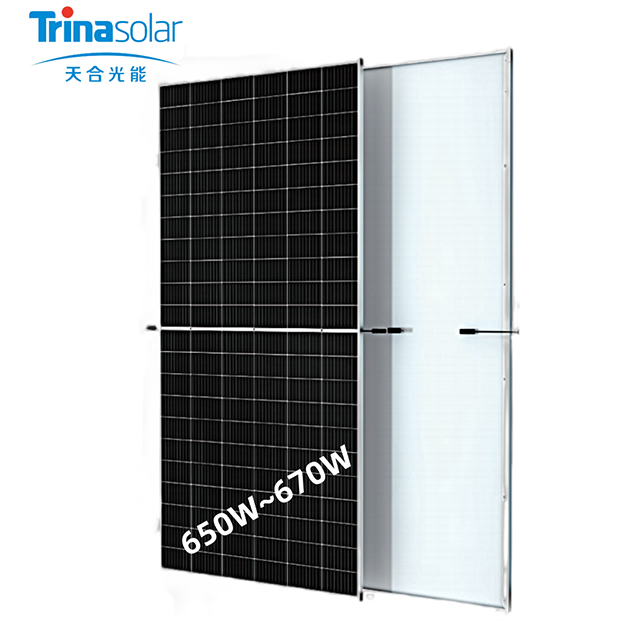
Beneath every reliable solar installation lies an engineering foundation that determines whether photovoltaic panels withstand three decades of wind, rain, snow, and thermal cycling without shifting, corroding, or failing. Solar mounting systems—the structural frameworks, attachment hardware, and clamping solutions that secure modules to rooftops, ground structures, and building facades—carry engineering significance that often receives less attention than the panels themselves, despite bearing direct responsibility for system safety, longevity, and energy production continuity. A mounting failure can void warranties, create safety hazards, reduce energy production, and require costly repairs that far exceed any savings from using lower-cost mounting hardware.
For solar installers, project developers, and procurement professionals, understanding mounting system technology, material selection, and design principles enables better specification decisions, more accurate project costing, and reduced risk of structural failures that compromise system performance and create liability exposure. This knowledge is particularly important as solar installations expand into more challenging environments including coastal regions, high-altitude sites, and extreme weather zones. The global solar mounting systems market continues growing as photovoltaic adoption accelerates across residential, commercial, and utility-scale applications, driving continuous innovation in mounting technologies and installation methodologies.
What Are Solar Mounting Systems
Solar mounting systems are structural frameworks and hardware assemblies that attach photovoltaic modules to installation substrates including rooftops, ground-level structures, poles, and building surfaces. They must resist gravitational loads, wind uplift forces, seismic activity, and snow accumulation while maintaining precise module positioning throughout the system's operational life of 25 to 30 years. The engineering discipline underlying mounting system design draws from structural mechanics, materials science, and environmental engineering to create solutions that perform reliably across diverse installation contexts.
A complete mounting system includes structural rails or frameworks that span between attachment points, clamps that secure individual modules to the framework without applying excessive pressure, flashing and sealing components that maintain waterproof integrity at every roof penetration, and grounding components that bond all metallic elements into the electrical grounding network. Each subsystem must perform reliably across decades of environmental exposure, requiring careful selection of materials, coatings, and fastening methods that resist degradation. The interdependencies between subsystems mean that failure in any single component— whether a corroded fastener, degraded seal, or insufficiently rated rail—can compromise the entire installation's structural integrity.
Quality mounting systems from established manufacturers are engineered to international standards including AS/NZS 1170 (Australia/New Zealand), Eurocode in Europe, and ASCE 7-22 in the United States, with specific load calculations for wind speed zones, terrain categories, building heights, and exposure conditions at each installation site. Engineering documentation including stamped structural calculations and UL 2703 listing reports should be available for every installation, providing verification that designs meet applicable code requirements and have been tested to recognized safety standards.
Types of Solar Mounting Systems
Rooftop Mounting Systems
Rooftop mounting systems are categorized by their attachment method and structural approach, each with distinct advantages and limitations that determine their suitability for specific roof types and building conditions. Selecting the appropriate mounting approach requires careful evaluation of roof characteristics, building structure, local climate conditions, and project economics.
Penetrating Mounts use lag bolts or structural screws that penetrate the roof deck and engage rafters or trusses with sufficient withdrawal resistance to resist design wind uplift loads. These systems provide the highest load capacity and are suitable for virtually all pitched roof types including composition shingle, clay tile, slate, and standing seam metal. Proper flashing and sealing at every penetration point is essential to prevent water intrusion—the most common cause of solar-related roof leaks. Installers apply butyl tape or rubber gaskets beneath flashing materials and install lag bolts through predrilled holes to create durable, watertight seals. The quality of flashing installation directly determines long-term roof integrity, making proper training and attention to detail essential for penetrating mount installations.
Ballasted Mounts rely on the weight of concrete blocks or steel frames to resist wind uplift forces without penetrating the roof membrane. These systems are preferred for single-ply membrane roofs (EPDM, TPO, PVC) where roof penetration risks puncturing the waterproofing layer and voiding roof warranties. Ballast requirements vary by wind exposure zone, roof height, building geometry, and roof dead load capacity. Structural engineering verification is required to confirm that the building structure can support the combined weight of modules, mounting hardware, and ballast without overload. Ballasted systems typically require more roof load capacity than penetrating alternatives, limiting their application on structures with limited structural reserves.
Standing Seam Clamp Systems utilize proprietary clamps that engage the raised seam of metal standing seam roofs without penetrating the roof surface. These systems preserve roof warranties, eliminate leak risks at attachment points, and enable rapid installation. Clamp selection must match the specific standing seam profile, rib height, and material—mismatched clamps can slip or fail under wind loads. Standing seam systems represent the ideal mounting approach for metal roofs when seam geometry is compatible, providing a balance of installation speed, leak-free performance, and code-compliant load resistance.
Ground-Mounted Systems
Ground-mounted solar arrays are preferred for large-scale installations where land availability is not constrained and maximum energy yield is the primary objective. Ground-mounted systems offer complete design freedom in terms of tilt angle, orientation, and row spacing, enabling optimization for the specific site's latitude and energy production requirements. Utility-scale ground-mounted installations increasingly deploy tracker systems that further optimize energy harvest through sun-tracking technology.
Pile-Driven Foundations use helical screws or driven piles that are screwed or hammered into the soil to predetermined depth and torque capacity, providing foundation support with minimal site disturbance and the ability to be removed and reinstalled if needed. These foundations are suitable for a wide range of soil types and can be installed quickly with specialized equipment. Helical pile technology, originally developed for telegraph pole foundations, has been adapted for solar applications where soil conditions permit economical installation.
Concrete Foundations use cast-in-place or precast concrete footings that provide high load capacity for large array installations in weak soil conditions or high-wind zones. Concrete foundations involve more extensive excavation and curing time but offer superior long-term stability and resistance to frost heave in cold climates. The choice between pile-driven and concrete foundations depends on soil bearing capacity, frost depth, installation schedule, and local contractor capabilities.
Single-Axis Trackers use motorized torque tube structures that rotate panels throughout the day to follow the sun's apparent motion from east to west, increasing energy yield by 20% to 35% compared to fixed-tilt installations. Tracker systems require robust foundations, reliable drive systems, and sophisticated control electronics, adding cost and complexity but delivering superior energy yield. The economic viability of tracker systems depends on land cost,当地 electricity rates, and project financing structures.
Pole-Mounted Systems
Pole-mounted solar arrays elevate modules on single or multi-pole structures, positioning panels at optimal tilt angles while raising the array above ground-level obstacles, flooding risks, and snow accumulation. These systems are common for solar water pumping applications, security lighting, and telecommunications infrastructure power supply where elevated positioning provides functional advantages beyond energy production optimization.
Pole mounts require robust structural design to resist wind-induced vibration and fatigue at the pole-to-foundation connection. Dynamic wind loading on elevated arrays creates cyclic stresses that require engineering analysis and appropriate fatigue-resistant design. Foundation design for pole mounts must account for overturning moment from wind loads on the elevated array, typically requiring concrete pier foundations with dimensions determined by soil conditions and design wind speeds.
Building-Integrated Mounting Solutions
Mounting systems for building-integrated photovoltaic (BIPV) applications replace conventional building envelope materials with solar-active alternatives. BIPV mounting integrates seamlessly with building construction, eliminating visible mounting hardware and creating architecturally integrated solar facades, rooftops, and skylights that serve dual functions as building materials and power generators. BIPV applications require close coordination between structural engineering, electrical design, and architectural considerations that distinguish these projects from conventional solar installations.
Core Benefits of Quality Solar Mounting Systems
Structural Safety and Code Compliance
Wind gusts during severe storms can impose uplift forces exceeding 100 pounds per square foot on solar arrays in coastal and high-wind regions. In hurricane-prone areas, wind loads can exceed 150 psf, requiring mounting systems specifically engineered and tested for these demanding conditions. Mounting systems engineered and tested to applicable codes and standards protect property and occupants from the catastrophic consequences of array failure—arrays that detach and become projectiles during storms pose serious safety hazards to people and property below. The liability implications of mounting failures extend beyond physical damage to include potential legal exposure for installers and property owners.
Engineering-certified mounting designs with stamped structural calculations satisfy building department requirements for permit approval and provide liability protection for installers and property owners. Building departments increasingly scrutinize solar mounting installations, requiring documentation that was optional in earlier periods of solar adoption. Documentation completeness significantly impacts permitting timelines and inspection outcomes.
Long-Term Reliability and Minimal Maintenance
Quality mounting systems use corrosion-resistant materials—marine-grade aluminum alloy structural components and Type 316 stainless steel hardware throughout—that maintain structural integrity across decades without painting, coating, or replacement. Systems with proven long-term field performance and manufacturer support provide assurance that structural elements will not degrade before the solar panels they support reach end of life. The total cost of ownership analysis for mounting systems must account for maintenance requirements that may not be obvious at initial installation.
Warranty coverage from mounting manufacturers provides additional assurance of long-term performance, with quality suppliers offering 10 to 25-year warranties that align with solar module warranty periods. Warranty terms should be carefully reviewed to understand coverage limitations, claim procedures, and remedies available under the warranty agreement.
Optimized Energy Production Through Correct Alignment
Mounting systems that maintain precise module orientation and tilt angle ensure that energy production aligns with design projections throughout system life. Misaligned modules—caused by improper installation or progressive structural movement—reduce energy harvest by 5% to 15% and complicate maintenance planning. Initial installation quality directly impacts energy production consistency over system lifetime, making proper installation procedures and quality verification essential project elements.
Adjustable mounting systems allow fine-tuning of tilt angles during installation to optimize production for specific site latitude and seasonal load profiles. Post-installation angle adjustments enable optimization for changing utility rate structures or evolving customer load patterns, adding flexibility that fixed-tilt alternatives cannot provide.
Rapid and Efficient Installation
Pre-engineered mounting systems with standardized components, predrilled holes, and tool-free clamp engagement significantly reduce installation labor time. Clamp-based module attachment eliminates the need for torque wrench verification at each module, reducing installation labor requirements and potential quality issues from inconsistent torque application. Rail-free mounting systems using shared-rail or inter-module concepts reduce component counts by 30% to 50%, accelerating installation schedules and reducing material costs.
Installation labor represents a significant portion of total project cost, particularly for residential rooftop systems where field labor rates are high. Mounting system selection directly impacts installation efficiency, making pre-engineered, pre-tested systems with clear installation instructions preferable to custom or field-engineered alternatives.
Solar Mounting System Technology and Design
Structural Engineering Principles
Mounting system design begins with site-specific load analysis incorporating dead loads (module and mounting weight, typically 2 to 3 lbs per square foot), live loads (maintenance personnel), wind loads (both uplift and lateral), snow loads, and seismic loads where applicable. Wind load calculations reference local building codes and wind exposure categories, with specific attention to corner and edge zones where uplift pressures are highest. The complexity of accurate load analysis increases with building height, complex roof geometries, and exposure to wind channeling between adjacent structures.
Engineers use finite element analysis and classical structural mechanics to verify that rail spans, bracket connections, and foundation elements provide adequate factor of safety against failure. Typical design factors of safety range from 2.0 to 3.0 for structural elements and 1.5 to 2.0 for connection hardware. Load testing provides additional verification beyond analytical methods, with UL 2703 testing protocols establishing standardized performance criteria for grounding, bonding, and fire resistance.
Material Selection and Corrosion Resistance
Aluminum structural components offer an excellent strength-to-weight ratio, ease of extrusion into complex profiles, and natural corrosion resistance through aluminum oxide surface formation. Marine-grade aluminum alloys (6000-series) provide enhanced resistance in coastal environments where salt spray accelerates corrosion of lesser materials. Aluminum is the dominant structural material for rooftop and light-duty ground-mount systems, providing adequate strength for most applications while maintaining cost competitiveness.
The aluminum oxide layer that forms naturally on aluminum surfaces provides excellent corrosion resistance in most environments, but this protection can be compromised in highly acidic or alkaline conditions or where dissimilar metal contact creates galvanic corrosion. Material selection for specific environments requires evaluation of anticipated exposure conditions and consultation with manufacturers regarding material suitability.
Hot-dip galvanized steel provides superior strength for ground-mounted structures and heavy-load applications where the combination of high strength and cost-effectiveness favors steel. The zinc coating provides cathodic protection that prevents rust even if the coating is scratched or damaged, extending service life in harsh environments. Steel structural elements require attention to connection design to prevent moisture accumulation at connection points where corrosion can initiate.
Type 316 stainless steel hardware provides the highest corrosion resistance for fasteners, clamps, and hardware in the most aggressive environments including coastal and industrial locations with salt mist or chemical exposure. Type 304 stainless steel is standard for most inland applications, providing adequate corrosion resistance at lower cost than Type 316. The incremental cost of Type 316 stainless steel is justified for coastal installations within approximately five miles of saltwater exposure.
Grounding and Lightning Protection
Bonding and grounding requirements connect all conductive mounting components into the building grounding electrode system, providing fault current paths and lightning surge dissipation. UL 2703 listing provides standardized testing and performance criteria for mounting system grounding and bonding, verifying that the resistance of the bonding path remains below 0.1 ohms after environmental exposure testing. Code requirements for grounding and bonding have become more stringent as solar installations have become more common, reflecting lessons learned from field performance issues.
Grounding lugs and integrated grounding straps in quality mounting systems simplify bonding compliance without requiring separate hardware installation. Pre-engineered grounding solutions reduce installation labor and improve reliability compared to field-installed grounding components.
Thermal Movement Accommodation
solar modules and mounting structures expand and contract at different rates as temperature changes, due to their different coefficients of thermal expansion. A 3-meter-long module experiences approximately 1.5mm of thermal expansion between winter and summer temperatures. Mounting system design must accommodate differential thermal movement without transferring excessive stress to module frames or creating unwanted noise from component friction.
Sliding connections, flexible mounting brackets with appropriate clearance, and thermal expansion slots are essential details in quality mounting design that prevent fatigue damage over decades of thermal cycling. Thermal movement accommodation becomes increasingly important as module sizes increase, with contemporary modules up to 2.2 meters long experiencing thermal movement up to 2.5mm across full temperature ranges.

Applications of Solar Mounting Systems
Residential Pitched Roof Installations
Residential pitched roofs with composition shingle, tile, or metal surfaces use rafter-attached rail systems that provide adjustable tilt angles from flush mounting to 45 degrees. Pitched roof installations benefit from elevated module positions that improve air circulation beneath the array, reducing operating temperature and increasing energy output. Roof pitch affects both energy production (through optimal tilt angle availability) and installation complexity, with steeper roofs requiring additional safety equipment and training.
Residential installations increasingly incorporate aesthetic considerations, with low-profile mounting systems, integrated solar shingles, and color-matched components gaining market share in new construction and visible roof locations. Aesthetic mounting options address homeowner concerns about solar panel appearance that can create adoption barriers in residential markets.
Commercial Flat Roof Installations
Commercial flat roofs with EPDM, TPO, or built-up membrane surfaces commonly use low-angle ballasted systems that minimize penetration requirements and preserve roof warranties. Tilt legs at 5 to 15 degrees provide improved panel self-cleaning during rain events compared to flush mounting, while maintaining manageable wind exposure. Commercial flat roof systems are often paired with walkway tiles that provide safe access for maintenance without damaging the roof membrane.
Commercial installations face unique challenges including larger system sizes requiring more complex electrical design, building code compliance for multiple roof areas, and coordination with other building systems including HVAC, skylights, and rooftop access. Commercial mounting systems must accommodate these complexities while maintaining installation efficiency and code compliance.
Agricultural and Canopy Installations
Agricultural operations deploy solar canopies over parking areas, livestock facilities, and equipment storage that provide shade while generating solar power. Canopy structures must be designed for agricultural environment considerations including livestock movement, chemical exposure from fertilizers and cleaning agents, and equipment clearance requirements. Agricultural canopy installations often qualify for favorable net metering or feed-in tariff rates that improve project economics.
Utility-Scale Ground Mount Installations
Utility-scale solar installations spanning tens to thousands of acres represent the fastest-growing segment of the solar market, driven by declining system costs and favorable renewable energy policies. Utility-scale mounting systems prioritize installation speed, cost minimization, and maximum energy yield per acre of land. Tracker systems are increasingly standard for utility-scale installations, with single-axis tracker penetration exceeding 50% for new projects in favorable market conditions.
Comparison: Mounting System Types
Specification
Rail Mount (Rafter)
Ballasted Flat Roof
Standing Seam Clamp
Ground Screw
Roof Penetration
Yes
No
No
N/A
Load Capacity
High
Moderate
High
High
Suitable Roof Types
Pitched, all types
Flat membrane roofs
Metal standing seam
N/A
Wind Performance
Excellent
Good (limited by ballast)
Excellent
Excellent
Installation Speed
Moderate
Fast
Fast
Moderate
Roof Warranty Impact
Requires sealing
Minimal
None
N/A
Adjustability
Full tilt range
Limited tilt range
Limited
Adjustable
Material
Aluminum + SS
Aluminum + concrete
Aluminum + SS
Galvanized steel
Typical Cost
$0.05–$0.12/W
$0.04–$0.10/W
$0.06–$0.14/W
$0.08–$0.15/W
Market Trends in Solar Mounting Systems
Pre-Engineered and Standardized Solutions
The mounting industry is trending toward fully pre-engineered systems with component-level UL 2703 and CSA certifications that eliminate project-specific engineering requirements for standard configurations. This approach reduces permitting timelines and engineering costs while maintaining code compliance through tested and listed assemblies. Pre-engineered systems enable faster permitting and inspection approval, reducing project development timelines that directly impact financing costs.
Lightweight and Low-Ballast Innovations
New mounting technologies reduce roof load requirements through optimized structural design, enabling installations on buildings with limited structural capacity. Composite structural members, advanced aluminum extrusions with optimized cross-sections, and innovative load distribution designs reduce material usage while maintaining load ratings. Low-ballast mounting systems expand the addressable market to buildings that cannot support conventional ballasted arrays, creating new installation opportunities.
Integrated Electrical and Structural Solutions
Mounting manufacturers increasingly offer integrated solutions combining structural mounting with electrical management including rapid shutdown devices, integrated conduit pathways, and module-level monitoring capabilities. Integrated electrical-structural mounting systems reduce component counts, simplify installation, and improve system reliability compared to field-assembled combinations of separate products.
Sustainability and Circular Economy Focus
Mounting system sustainability is receiving increased attention as solar installations approach end-of-life in large numbers. Remountable mounting systems that enable panel replacement without structural removal address end-of-life considerations, while manufacturers explore recycling programs for aluminum and steel structural components.
Buying Guide: Selecting Solar Mounting Systems
Match System to Roof Type and Condition
Accurately identify the roof substrate material, structural system, and remaining service life before selecting mounting hardware. Roofs with less than 10 years of remaining service life should be evaluated for replacement before or concurrent with solar installation. Roof condition assessment should include moisture surveys for flat roofs, structural analysis of rafters or trusses, and documentation of existing roof penetrations and equipment.
Verify Wind and Snow Load Ratings
Confirm that proposed mounting systems are rated for the specific wind exposure zone and snow load requirements at the installation site. Coastal regions, high-altitude sites, and areas with extreme weather events impose demanding structural requirements. Load ratings should be verified through engineering documentation, UL listing reports, or other third-party verification that confirms tested performance rather than calculated estimates alone.
Evaluate Manufacturer Support and Documentation
Quality mounting manufacturers provide comprehensive documentation including installation manuals, engineering calculations, UL listing documentation, and technical support. Manufacturer technical support availability and responsiveness should be evaluated during the selection process, as installation issues often require immediate technical assistance to maintain project schedules.
Assess Corrosion Resistance for Environment
Match material selections to environmental exposure. Coastal installations within 1 to 5 miles of saltwater require marine-grade aluminum alloys and Type 316 stainless steel throughout. Chemical exposure from industrial facilities, agricultural operations, or swimming pools requires additional evaluation to confirm material suitability for specific exposure conditions.
Operational Insights for Installers and Project Managers
Pre-Installation Roof Assessment Protocol
Conduct thorough roof assessments including moisture surveys for flat roofs, structural analysis of rafters or trusses, and verification of existing electrical and HVAC penetrations. Document roof conditions with photographs before installation begins. Pre-installation documentation protects against disputes regarding pre-existing conditions and ensures that mounting selection accounts for actual site conditions.
Quality Control During Installation
Verify attachment point locations with structural drawings, confirm torque specifications with calibrated torque wrenches, and validate grounding continuity at completion. Quality control checklists should document verification of each critical installation parameter, providing verification records for commissioning and warranty purposes.
Commissioning Verification
Commissioning checklists should include verification of module plane alignment, confirmation of grounding continuity, inspection of all weather sealing, and documentation of final installation. Commissioning documentation provides the baseline for ongoing performance monitoring and identifies issues requiring correction before project completion.
Maintenance Planning
Establish maintenance schedules for the mounting system that complement solar module maintenance requirements. Annual inspections should verify continued integrity of attachment points, sealing elements, and grounding connections. Maintenance records document system condition and support warranty claims if issues develop.
Frequently Asked Questions
How do I know if my roof can support solar panels?
A structural engineer should evaluate roof framing capacity. Assessment typically includes verification of rafter or truss dimensions, spacing, and condition, along with evaluation of connection to load-bearing walls. For flat roofs, an assessment of deck capacity and building structural system determines maximum allowable ballast weight.
Can solar panels be installed on a flat roof without penetrating the roof?
Yes, ballasted mounting systems use weighted counterbalances to resist wind uplift forces without roof penetration. The primary limitation is wind exposure—ballasted systems may not meet design requirements in hurricane-prone zones where wind forces exceed the practical limits of ballast-only support.
What wind speed ratings do mounting systems need?
Required wind ratings depend on the installation site's building code classification. ASCE 7-22 defines wind speed maps by location, with design wind speeds ranging from approximately 100 mph to over 180 mph in hurricane-prone coastal areas. Exposure category, building height, and roof geometry modify basic wind speeds to determine design pressures.
How long do solar mounting systems last?
Quality aluminum and stainless steel mounting systems are designed for 25 to 30-year service lives matching solar module warranties. Actual service life depends on environmental exposure conditions and maintenance practices, with coastal and industrial environments potentially reducing effective service life without appropriate material selection.
Are roof warranties voided by solar installation?
Roof penetrations from solar mounting can void roof warranties if not properly installed. Ballasted and standing seam systems that avoid roof penetration preserve roof warranties more reliably. When roof penetration is necessary, proper flashing and sealing techniques preserve roof warranty coverage.
What is the difference between rail-mounted and rail-free systems?
Rail-mounted systems use continuous aluminum rails as the structural backbone, providing adjustable attachment points along the rail length. Rail-free systems use direct module-to-module connections or shared structural elements, reducing component counts and installation time while maintaining structural performance.
Conclusion
Solar mounting systems are engineered structural systems whose quality and proper installation directly determine the safety, durability, and long-term performance of every solar installation. Selecting mounting systems with appropriate material specifications, verified load ratings, and comprehensive documentation protects solar investments throughout decades of operation. Professionals who understand mounting system engineering principles, evaluate products against site-specific requirements, and enforce quality installation practices build the structural foundation for solar installations that perform reliably across their full operational lifetime.
The continued evolution of mounting system technology—toward lighter weight, faster installation, integrated electrical functionality, and sustainable end-of-life considerations—will further expand solar deployment possibilities across diverse building types and installation contexts. Successful solar professionals will maintain current knowledge of mounting technology developments while applying proven engineering principles that ensure structural integrity throughout system life.


