- Home
-
-
What Is Module Efficiency of Solar Panels
Views: 0 Author: Site Editor Publish Time: 2025-11-14 Origin: Site
![facebook sharing button]()
![twitter sharing button]()
![line sharing button]()
![wechat sharing button]()
![linkedin sharing button]()
![pinterest sharing button]()
![whatsapp sharing button]()
![kakao sharing button]()
![snapchat sharing button]()
![sharethis sharing button]()
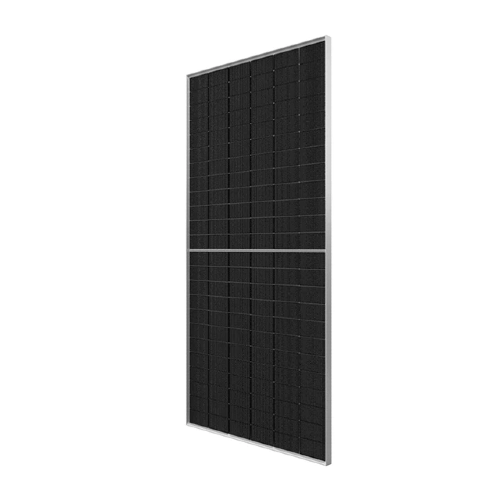
The shift towards renewable energy sources has been gaining momentum, and among these, solar power stands out as one of the most promising. Solar panels, or solar modules, are at the heart of this transformation. Understanding solar module efficiency is crucial for anyone considering the installation of a solar power system. In this article, we will explore what solar module efficiency is, the factors that influence it, and how it affects energy production.
1. Understanding Solar Module Efficiency
The efficiency of solar modules is a key performance metric for anyone interested in solar energy. It indicates how effectively a solar panel converts sunlight into usable electricity. This measure not only influences the overall performance of solar energy systems but also plays a critical role in determining installation costs, space requirements, and long-term financial savings. Understanding this concept will help you make informed decisions when selecting solar panels for residential, commercial, or industrial applications.
2. What Does Solar Module Efficiency Mean?
Solar module efficiency refers to the percentage of sunlight that a solar panel can convert into usable electricity. Essentially, it's a measure of how well the solar cells within a module can transform solar energy into electrical energy. The higher the efficiency, the more electricity a panel can produce for the same amount of sunlight.
How is Solar Module Efficiency Related to Performance?
Solar module efficiency directly impacts the performance of the entire solar energy system. A higher efficiency means that fewer panels are needed to generate the same amount of power. This can lead to lower installation costs, especially in areas with limited space, and ensure that the system can meet energy demands more effectively.
3. How Solar Module Efficiency is Calculated
The efficiency of a solar module is calculated using the following formula:
Efficiency=Electrical Power OutputIncident Solar Power×100\text{Efficiency} = \frac{\text{Electrical Power Output}}{\text{Incident Solar Power}} \times 100Efficiency=Incident Solar PowerElectrical Power Output×100
Electrical Power Output: This is the amount of electricity the solar module produces under standard testing conditions (STC).
Incident Solar Power: The amount of solar energy that strikes the surface of the solar panel.
Factors Affecting Solar Module Efficiency
Several factors influence solar module efficiency:
Solar Cell Material: The material used to make the solar cells (e.g., monocrystalline, polycrystalline, thin-film) affects how much sunlight can be converted into electricity.
Temperature: Solar panels perform best at cooler temperatures. As temperatures rise, efficiency typically decreases.
Orientation and Angle: Panels installed at the optimal angle and facing the right direction can capture more sunlight and improve efficiency.
4. Key Factors Affecting Solar Module Efficiency
Several elements contribute to the performance and efficiency of solar modules. Let's examine some of the key factors in detail.
4.1 Solar Cell Material
The material used to manufacture solar cells plays a significant role in solar module efficiency. The most common materials are:
Monocrystalline: Made from a single continuous crystal structure, monocrystalline panels are the most efficient, with efficiencies generally ranging between 18% and 22%.
Polycrystalline: These panels are made from silicon crystals that are melted together. While less efficient than monocrystalline, their cost-effectiveness makes them a popular choice. Their efficiency typically ranges from 15% to 17%.
Thin-Film: Thin-film solar panels are made by depositing layers of photovoltaic material onto a substrate. These are less efficient than both monocrystalline and polycrystalline panels, with efficiencies ranging from 10% to 12%.
Solar Cell Material
Efficiency Range
Monocrystalline
18% - 22%
Polycrystalline
15% - 17%
Thin-Film
10% - 12%
4.2 Temperature Coefficient
A key aspect of solar module efficiency is its temperature coefficient, which indicates how much the efficiency drops as the temperature rises. Solar panels lose efficiency in hot weather, and the higher the temperature, the greater the loss.
Monocrystalline panels have a lower temperature coefficient (around -0.30% to -0.40% per degree Celsius), which means they are more efficient in hotter climates compared to other types.
Polycrystalline panels typically have a slightly higher temperature coefficient, meaning they are less efficient in hot conditions than monocrystalline panels.
4.3 Angle of Installation and Orientation
The angle and orientation at which a solar panel is installed can significantly affect its solar module efficiency. Panels should ideally be installed at an angle that maximizes exposure to the sun’s rays.
South-facing panels (in the Northern Hemisphere) generally receive the most sunlight throughout the day.
Tilt angle: In areas closer to the equator, a flatter installation is ideal. In regions further from the equator, panels should be tilted at a steeper angle to capture more sunlight.
4.4 Shading
Even partial shading on a solar module can dramatically reduce its efficiency. Shading can cause some cells to underperform, lowering the overall power output of the system. Proper system design and optimal panel placement can minimize the impact of shading.
4.5 Age and Degradation
Over time, solar modules degrade, and their efficiency slowly decreases. This degradation happens at a rate of around 0.5% per year, meaning that after 25 years, a module may only produce about 80% of its original power output. However, the high-quality modules available today are designed to minimize degradation, and many come with warranties that guarantee a certain level of performance over time.
![Solar Module]()
5. Solar Module Efficiency Across Different Technologies
Different solar module technologies have different levels of efficiency. Below, we compare the most common types of solar panels on the market today:
5.1 Monocrystalline Solar Modules
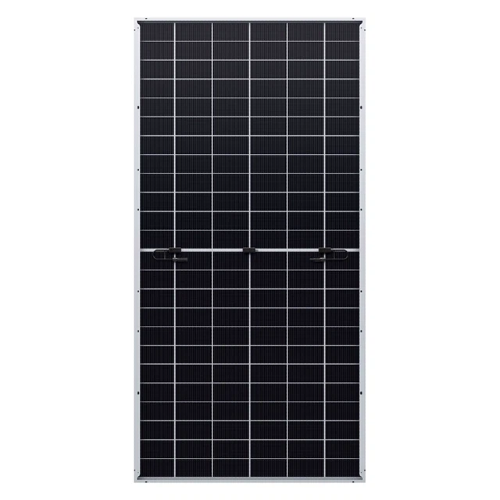
Monocrystalline solar panels are widely regarded as the most efficient option available. With an efficiency range of 18% to 22%, these panels are made from high-purity silicon and have a uniform appearance, often characterized by a black color.
5.2 Polycrystalline Solar Modules
Polycrystalline solar modules are slightly less efficient, typically around 15% to 17%, but they are more affordable than monocrystalline panels. These panels are made from silicon crystals that are melted together, and their blue color is often a distinguishing feature.
5.3 Thin-Film Solar Modules
Thin-film solar panels are the least efficient, with efficiencies of about 10% to 12%. These panels are lightweight and flexible, making them suitable for certain applications like large-scale solar farms or building-integrated photovoltaics (BIPV). However, they require much more surface area to produce the same amount of power as monocrystalline or polycrystalline modules.
5.4 New Technologies: Bifacial and Perovskite Panels
Bifacial Solar Modules: These panels can capture sunlight on both sides, increasing efficiency by up to 30% in some cases, depending on the environment and installation.
Perovskite Solar Modules: A newer technology that promises high efficiency at a lower cost. Currently in the experimental phase, these modules are expected to compete with traditional technologies in the near future.
6. How Solar Module Efficiency Impacts Energy Production
The efficiency of solar modules directly influences the overall energy production of a solar system. More efficient panels generate more power in less space, reducing the number of panels needed for a given amount of energy.
6.1 Impact on Power Output
For a residential solar system, the solar module efficiency will determine how much energy the system can produce. More efficient panels require fewer panels to meet energy requirements, making them a great choice for homes with limited roof space.
6.2 Impact on Space and Installation Costs
Higher efficiency panels save space, which can reduce the installation cost for systems where space is at a premium. This can also help in urban areas or regions where land is expensive and limited.
Solar Module Efficiency
Number of Panels for 5kW System
Total Area Required (m²)
22% (High Efficiency)
15
24
17% (Medium Efficiency)
20
30
12% (Low Efficiency)
25
40
6.3 Real-World Example
In a typical residential installation, if you use a high-efficiency solar module (e.g., 22%), you would need fewer panels, and your installation footprint would be smaller. This is especially useful if you have limited roof space but still want to meet your energy needs.
7. Why High-Efficiency Solar Modules Are Worth the Investment
Investing in high-efficiency solar modules can have significant long-term benefits:
Fewer Panels Needed: High-efficiency panels reduce the number of panels required for a system, saving on installation costs and roof space.
Better Performance: These panels will continue to generate power for a longer time, maximizing your investment.
Increased Property Value: Homes with efficient solar systems often see an increase in property value, making them more attractive to potential buyers.
8. Choosing the Right Solar Module for Your Needs
When selecting a solar module, it's important to consider the following:
Space Availability: If you have limited space, high-efficiency panels will give you the most power per square meter.
Budget: While high-efficiency panels can be more expensive upfront, they may save you money in the long run due to reduced installation costs and improved energy generation.
Climate: In hotter climates, panels with a lower temperature coefficient (like monocrystalline) will perform better.
9. Conclusion
Understanding solar module efficiency is key when making an investment in solar power. High-efficiency panels generate more energy in less space, making them particularly ideal for urban environments or smaller rooftops. Although these panels may come with a higher upfront cost, the long-term benefits are undeniable. They reduce installation costs, increase energy output, and provide a more sustainable, cost-effective energy solution over time.
If you're considering upgrading your energy system with high-performance solar modules, it's important to work with trusted suppliers who can guide you toward the best choices for your specific needs. Shanxi Xuchen Dongsheng International Trade Co., Ltd. offers a wide range of high-quality solar panels designed to optimize energy production, with durable, efficient solutions for residential, commercial, and industrial applications. Their expertise in the solar industry ensures that you’ll receive not only top-tier products but also personalized support to maximize your energy savings. Reach out to them today to explore how they can help you harness the power of solar energy more effectively.
10. FAQ
Q1: What is the most efficient type of solar module?
Monocrystalline solar panels are typically the most efficient, offering efficiencies of 18% to 22%.
Q2: Does solar panel efficiency decrease over time?
Yes, solar panels generally degrade at a rate of about 0.5% per year, meaning they lose some efficiency over time.
Q3: How does temperature affect solar module efficiency?
Solar panels generally perform less efficiently at higher temperatures. The temperature coefficient indicates how much efficiency is lost per degree Celsius of increase in temperature.
Q4: Can I increase the efficiency of my solar panels?
Yes, optimizing panel orientation, minimizing shading, and using high-quality modules can help improve overall efficiency.
Q5: What’s the difference between monocrystalline and polycrystalline modules in terms of efficiency?
Monocrystalline modules are more efficient (18% to 22%) compared to polycrystalline modules (15% to 17%).
Q6: How do bifacial solar panels improve efficiency?
Bifacial solar panels capture sunlight on both sides, significantly increasing energy generation, especially when installed on reflective surfaces.